It seems we can’t find what you’re looking for. Perhaps searching can help.

Other Related Posts

Oil-in-Water Sensors: Protecting Water Reuse Systems from Hydrocarbon Contamination

Oil-in-Water Sensors: Protecting Water Reuse Systems from Hydrocarbon Contamination Key Takeaways Oil contamination causes $45,000-180,000 in annual membrane damage per 10,000 m³/day water reuse facility (Water Research Foundation 2024). Online oil-in-water sensors enable 80% faster detection of hydrocarbon contamination compared to manual sampling methods. The global oil-in-water analyzer market exceeds $320 million, with water reuse…

Zero Liquid Discharge: A Practical Guide for Industrial Facilities

Key Takeaways The global zero liquid discharge (ZLD) market will expand from $29.99 billion in 2025 to $66.84 billion by 2035, at a CAGR of 8.34% (Market Research Future) ZLD systems achieve water recovery rates exceeding 95%, reducing freshwater consumption by 60-80% compared to conventional treatment Properly designed ZLD systems demonstrate payback periods of 3-7…

Energy-Efficient Treatment Systems: Procurement Considerations for 2026

Energy-Efficient Treatment Systems: Procurement Considerations for 2026 Key Takeaways: – Advanced oxidation processes (AOPs) now consume 40-60% less energy than traditional biological treatment for industrial wastewater with high organic loading – Procurement decisions must account for energy consumption profiles, treatment efficiency under variable loading conditions, and compatibility with Industry 4.0 monitoring infrastructure – Systems integrating…

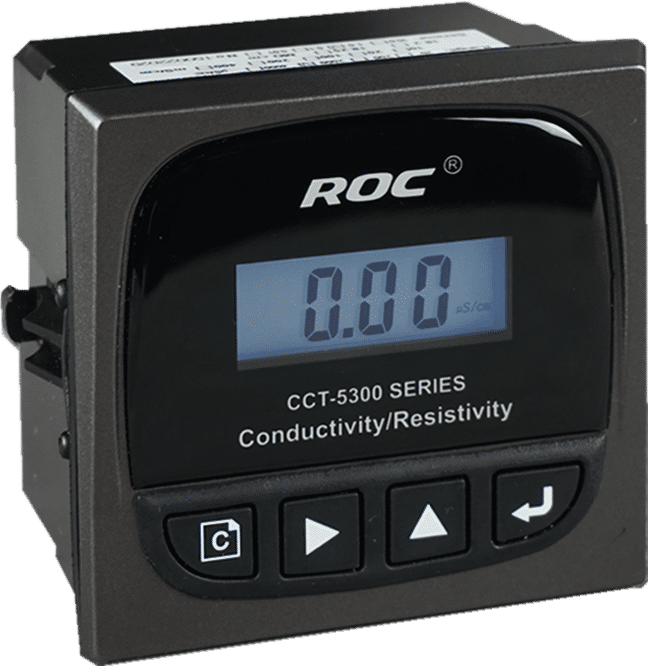
Water Quality Analyzer Procurement Strategy 51: Achieving 141% Cost Savings Through Lifecycle Cost Analysis

# water quality analyzer Procurement Strategy 51: Achieving 141% Cost Savings Through Lifecycle Cost Analysis According to Forrester Total Cost of Ownership Analysis 2025, organizations implementing structured TCO analysis achieve 25-40% cost optimization compared to purchase-price-focused procurement. This comprehensive cost perspective transforms water quality analyzer procurement economics. ## Key Points: • Comprehensive lifecycle cost analysis…

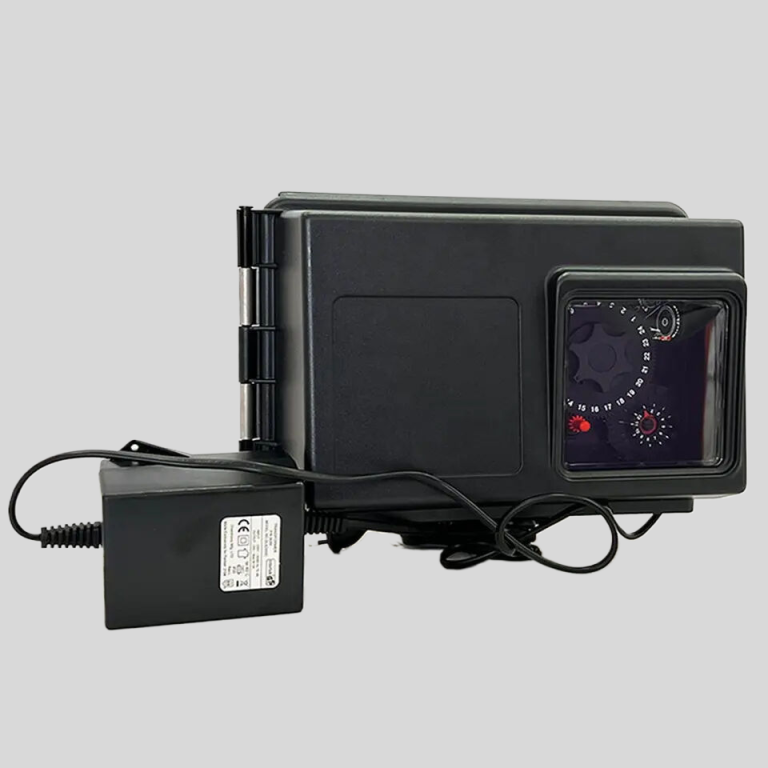
clack valvola controlavaggio

clack valvola controlavaggio

Vantaggi derivanti dall’utilizzo di una valvola di controlavaggio Clack nel sistema di trattamento dell’acqua Una valvola di controlavaggio Clack è un componente essenziale nei sistemi di trattamento dell’acqua, offrendo numerosi vantaggi che contribuiscono all’efficienza e all’efficacia complessive del sistema. Queste valvole sono progettate per controllare il flusso dell’acqua durante il processo di controlavaggio, garantendo che…