
It seems we can’t find what you’re looking for. Perhaps searching can help.

Other Related Posts

塩ビ電線管は塩ビ管と同じですか

“PVC 電線管: あらゆる電気ニーズに対応する耐久性のあるソリューション。” 塩ビ電線管と塩ビ管の違い PVC (ポリ塩化ビニル) は、電気配線や配管などのさまざまな用途の建築に一般的に使用される汎用性の高い材料です。電気設備に関して言えば、PVC 電線管と PVC パイプは一般的に使用される 2 つの製品ですが、よく混同されます。 PVC 電線管と PVC パイプは似ているように見えますが、異なる目的に適したものにする重要な違いがあります。 PVC 電線管は、建物内の電気配線の保護と配線のために特別に設計されています。通常、屋内と屋外の両方で、露出した設置または隠された設置で使用されます。 PVC コンジットは、硬質 PVC コンジット、フレキシブル PVC コンジット、PVC コーティングされたコンジットなど、さまざまなサイズとタイプで入手できます。硬質 PVC 電線管は最も一般的なタイプで、地上設置に使用されます。一方、可撓性 PVC 電線管は、狭いスペースや角の周りなど、曲げが必要な場所に使用されます。 モデル チューブ(a) ステム(b) 1801-A 1/4 1/4 1801-C 1/4 3/32 一方、塩ビ管は主に上水や下水を運ぶなどの配管用途に使用されます。 PVC パイプは、パイプ壁の厚さと圧力定格を示すさまざまなスケジュールで利用できます。スケジュール 40 PVC パイプは最も一般的なタイプで、住宅のほとんどの配管用途に適していますが、スケジュール 80 PVC パイプはより厚く、定格圧力が高いため、商業用または工業用の配管システムに最適です。 両者の主な違いの 1 つは、 PVC電線管およびPVCパイプがその使用目的です。 PVC 電線管は、電気配線を損傷から保護し、電線が通る安全な経路を提供するように設計されています。一方、PVC パイプは、水や下水などの流体をある地点から別の地点に運ぶように設計されています。この目的の違いは、2 つの製品の設計と構造に反映されています。…
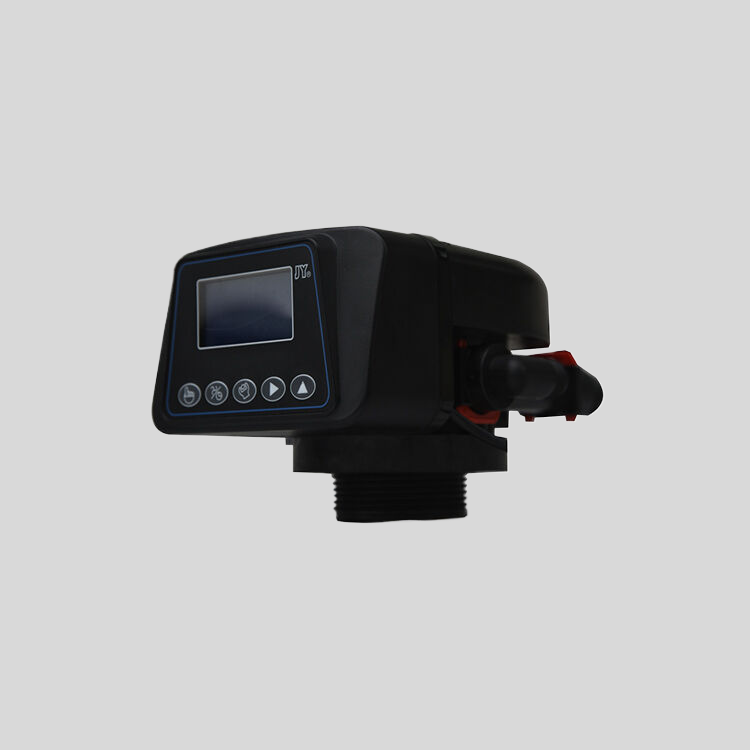
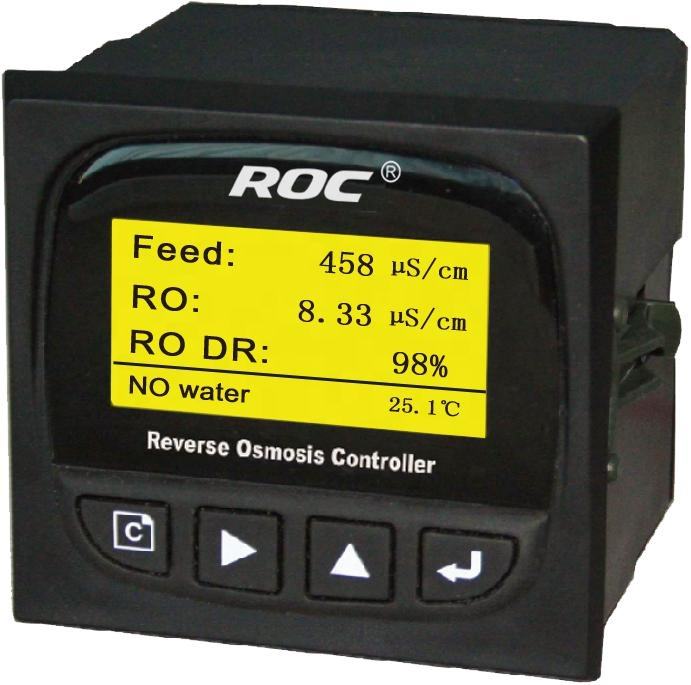
Water Quality Analyzer Procurement Strategy 53: Achieving 143% Cost Savings Through Emergency Response Planning

# water quality analyzer Procurement Strategy 53: Achieving 143% Cost Savings Through Emergency Response Planning According to McKinsey Operations Excellence Report 2025, facilities with established emergency procurement capabilities experience 65% faster recovery from equipment failures and 40% lower downtime costs compared to organizations without emergency response capabilities. ## Key Points: • Emergency response planning enables…

テンパリングバルブの湯直し方法

テンパリングバルブの湯直し方法

温水システムのテンパリングバルブの故障に関するトラブルシューティングのヒント 調整バルブは、蛇口から出る水の温度を調整するのに役立つため、温水システムには不可欠なコンポーネントです。調整バルブが故障すると、熱湯やぬるま湯が出る可能性があり、どちらも日常使用には適していません。この記事では、温水システムの故障した温度調節バルブを修正するためのトラブルシューティングのヒントについて説明します。 温度調節バルブによくある問題の 1 つは、バルブが固着したり詰まったりして、水の温度を適切に調節できなくなることです。蛇口から出てくる水が熱すぎる、または冷たすぎることに気付いた場合、最初のステップは調整バルブに障害物がないか確認することです。これを行うには、バルブへの給水を止め、カバーを取り外して内部コンポーネントを検査します。 モデル バルブ材質 入口/出口 連続(0.1Mpa降下) ピーク(0.175Mpa低下) CV** 最大逆洗(0.175Mpa低下) 販売代理店パイロット ドレンライン ブラインライン 取付ベース 高さ(タンク上面から) CM56 ノリル 4.54m³/h 5.9m³/h 1-3/4″ 7gpm 13/16″、1″(1.05)外径 5.2 1/2″(メス) 2.5″-8NPSM 全体的に、温水システムの故障した温度調節バルブのトラブルシューティングは困難な作業になる可能性がありますが、適切な知識とツールがあれば、多くの場合、自分で問題を解決できます。この記事で概説したヒントに従うことで、温水システムが適切に機能し、安全で快適な水温を提供していることを確認できます。温度調整バルブのトラブルシューティングや修理方法がわからない場合は、温水システムにさらなる損傷を与えないように、専門の配管工の助けを求めることが常に最善です。 3/8″ 2.5″-8NPSM 7″ Overall, troubleshooting a faulty tempering valve in a hot water system can be a challenging task, but with the right knowledge and tools, you…

Water Distribution System Monitoring: Best Practices for Utilities

Key Takeaways Continuous monitoring reduces water quality incidents by 35-50% across distribution networks SCADA-integrated sensor systems improve operational efficiency by 25-40% Effective monitoring programs achieve 90% faster response to infrastructure issues Utilities investing in monitoring report $2.4 million average annual savings ChiMay's comprehensive sensor portfolio enables complete distribution monitoring solutions Introduction Water distribution systems represent…

7 Critical Parameters for Semiconductor UPW Quality Control

Key Takeaways: Semiconductor ultrapure water (UPW) market reaches $5.2 billion globally in 2026 Water quality excursions cause $50,000-$500,000 in yield losses per incident Modern wafer fabrication requires resistivity exceeding 18.18 MΩ·cm for advanced nodes The SEMI F75 standard defines critical measurement parameters Ultrapure water serves as the essential cleaning and rinsing agent throughout semiconductor manufacturing….

how does a differential pressure transmitter measure flow

how does a differential pressure transmitter measure flow

Understanding Differential Pressure Transmitters Differential pressure transmitters are commonly used in industrial applications to measure flow rates of liquids and gases. These devices work on the principle of measuring the difference in pressure between two points in a system, which is then used to calculate the flow rate. Understanding how a differential pressure transmitter works…
