
It seems we can’t find what you’re looking for. Perhaps searching can help.

Other Related Posts

Data-Driven Approach to Urban Flood Resilience Planning

Data-Driven Approach to Urban Flood Resilience Planning Key Takeaways Smart city flood monitoring investments will reach $8.5 billion globally by 2027 Data-driven planning reduces urban flood damage by 35-50% compared to traditional approaches Real-time sensor networks provide 90% prediction accuracy for flash flood events Integration of multiple data sources improves emergency response efficiency by 55%…
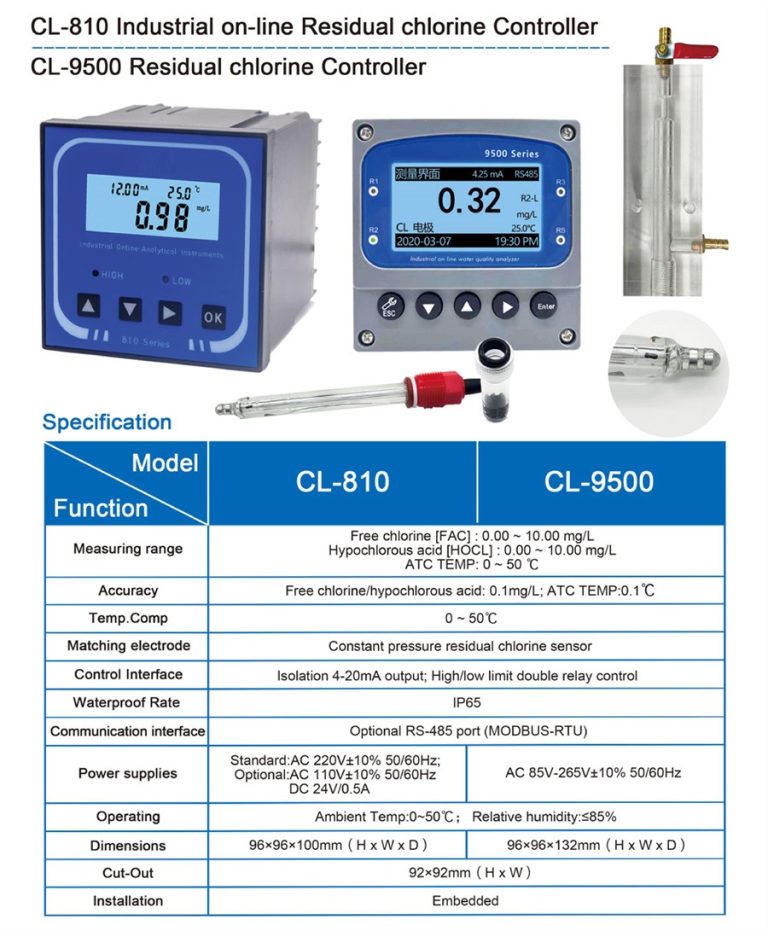
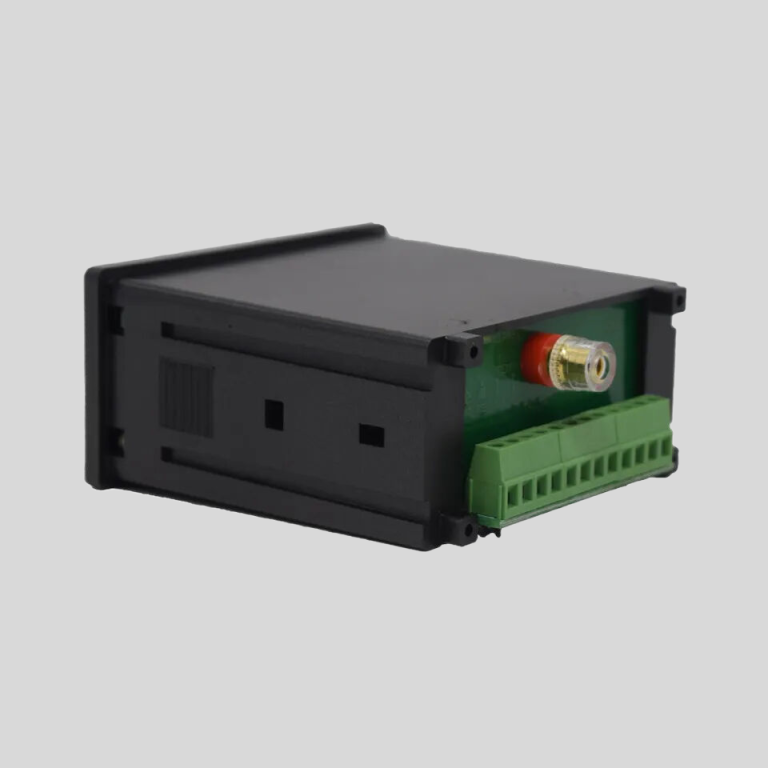
Why Real-Time Water Quality Monitoring Reduces Chemical Waste Costs

Key Takeaways Industrial facilities spend $2.3 billion annually on water treatment chemicals, with up to 38% wasted due to delayed or inaccurate monitoring Switching from manual sampling to continuous online monitoring reduces chemical consumption by 23–41% within the first year of deployment Real-time data enables predictive dosing, cutting reagent waste and lowering hazardous disposal costs…

Real-Time Chloride Analysis for Preventing Stress Corrosion Cracking

Real-Time Chloride Analysis for Preventing Stress Corrosion Cracking Key Takeaways Chloride-induced stress corrosion cracking (SCC) accounts for 22% of all equipment failures in chemical processing facilities Real-time chloride monitoring provides 48-72 hours of advance warning compared to weekly laboratory testing Austenitic stainless steel experiences SCC when chloride concentrations exceed 25 ppm at stress levels above…

How Smart Water Management Platforms Transform Utility Operations

Key Takeaways: Smart water management market to reach $29.5 billion by 2030 IoT-enabled sensors reduce water loss by 25-35% in distribution networks Predictive analytics can prevent 60% of equipment failures before they occur Water utilities worldwide face mounting pressure to improve efficiency, reduce costs, and maintain service quality amid aging infrastructure, workforce retirement, and increasingly…
