Table of Contents
Key Takeaways
- The EU PFAS directive, effective January 12, 2026, establishes binding limits of 0.5 µg/L for total PFAS and 0.1 µg/L for 20 specific PFAS compounds.
- Water utilities face compliance deadlines requiring continuous online monitoring, with routine compliance monitoring beginning April 26, 2027.
- Advanced online analyzers with detection limits below 4 ppt are essential for meeting the EPA's new Maximum Contaminant Levels (MCLs) for PFOA and PFOS.
- Procurement costs for PFAS monitoring equipment range from $15,000 to $80,000 per monitoring station.
Introduction
The regulatory landscape for per- and polyfluoroalkyl substances (PFAS) has undergone transformative changes in 2026. According to the European Commission's Water Resilience Strategy, the EU PFAS directive became binding for all Member States on January 12, 2026, marking the first time systematic PFAS monitoring has been implemented across the continent.
For water utilities and industrial facilities worldwide, this regulatory shift demands immediate action on procurement strategies for PFAS monitoring equipment. The global PFAS detection equipment market is projected to reach $3.8 billion by 2030, growing at a CAGR of 9.2%.
Understanding 2026 PFAS Regulatory Requirements
EPA National Primary Drinking Water Regulation
The EPA's PFAS National Primary Drinking Water Regulation (NPDWR) establishes Maximum Contaminant Levels (MCLs) for six PFAS compounds. According to the EPA's technical overview for drinking water utilities, compliance monitoring requirements are based on the Standardized Monitoring Framework:
- Reduced triennial monitoring applies to sampling locations with all sample results below rule trigger levels
- Default quarterly monitoring is required for locations with any sample results at or exceeding trigger levels
- Rule trigger level: 2.0 ppt for PFOA (half of the MCL)
EU PFAS Directive Specifications
The EU directive offers two alternative parameters for standard setting, as reported by Normec Group:
- PFAS Total: Sum of all PFAS compounds with a limit value of 0.5 µg/L (500 ng/L)
- Sum of PFAS-20: Sum of 20 selected PFAS compounds with a limit value of 0.1 µg/L (100 ng/L)
Member States must take immediate action if limit values are exceeded, including closing contaminated wells, adding treatment steps, or restricting water supply usage.
Procurement Considerations for Online PFAS Analyzers
Detection Capability Requirements
Procurement decision-makers must prioritize analyzers capable of meeting current and anticipated regulatory requirements. The American Water Works Association (AWWA) recommends monitoring equipment with detection limits at least 10 times lower than regulatory limits.
Modern online PFAS analyzers employ various detection technologies:
| Technology | Detection Limit | Advantages | Limitations |
|---|---|---|---|
| LC-MS/MS | 0.1-1 ppt | Gold standard accuracy | High operational costs |
| Immunoassay | 1-10 ppt | Rapid screening | Cross-reactivity issues |
| Electrochemical | 10-100 ppt | Field deployable | Limited compound coverage |
ChiMay’s online analyzer Solutions
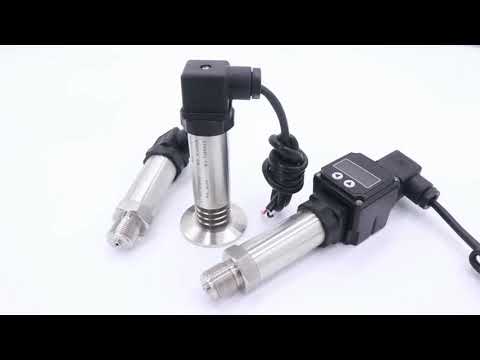
For comprehensive water quality monitoring supporting PFAS compliance, ChiMay's online analyzers integrate seamlessly with continuous sampling systems. These analyzers provide real-time data transmission essential for regulatory reporting, with multi-parameter monitoring options including conductivity sensors, pH meters, and turbidity testers that complement PFAS detection equipment.
Total Cost of Ownership Analysis
Initial Investment vs. Operational Costs
When evaluating PFAS monitoring equipment, procurement teams must consider both upfront and long-term operational expenses:
- Equipment procurement: $15,000-$80,000 per monitoring station
- Installation and commissioning: $5,000-$20,000
- Annual maintenance contracts: $3,000-$15,000
- Consumables and calibration: $2,000-$8,000 per year
Regulatory Compliance Cost-Benefit
The financial implications of non-compliance are substantial:
- Potential enforcement actions with penalties reaching $50,000 per day per violation
- Remediation costs averaging $500,000 to $2 million per contaminated site
- Reputational damage affecting customer trust and regulatory relationships
Strategic Recommendations
Immediate Actions (2026)
- Conduct comprehensive PFAS source water assessment to determine monitoring requirements
- Evaluate existing monitoring infrastructure for compatibility with PFAS detection
- Request proposals from qualified vendors with proven track records in online PFAS analysis
- Budget for multi-year monitoring programs including equipment replacement cycles
Long-term Planning Considerations
According to Water Research Foundation recommendations, water utilities should develop PFAS monitoring programs that:
- Support real-time data collection and automated reporting to regulatory agencies
- Integrate with existing SCADA systems for centralized data management
- Provide scalable solutions adapting to future regulatory changes
- Include staff training programs for equipment operation and data interpretation
Conclusion
The 2026 regulatory environment demands proactive procurement strategies for PFAS monitoring equipment. Water utilities that invest in advanced online monitoring solutions today will be better positioned to meet compliance requirements, reduce operational risks, and protect public health. The initial investment in comprehensive PFAS monitoring capabilities represents a strategic decision that will yield dividends in regulatory compliance, operational efficiency, and community trust.