Table of Contents
Key Takeaways
Introduction
Per- and polyfluoroalkyl substances (PFAS) represent a class of synthetic chemicals that have become one of the most significant environmental contamination challenges of the 21st century. Used extensively in industrial applications since the 1950s, these compounds resist degradation, accumulate in the environment, and pose documented health risks at extremely low concentrations.
The detection of PFAS contamination in drinking water supplies, groundwater, and surface waters has accelerated regulatory action across federal, state, and local jurisdictions. Industries that generate, handle, or discharge water must understand PFAS contamination risks and implement monitoring programs that demonstrate compliance while protecting public health.
What Are PFAS Compounds?
Chemical Characteristics
PFAS compounds share a unique chemical structure featuring a fluorinated carbon chain attached to various functional groups. The carbon-fluorine bond—one of the strongest in organic chemistry—confers remarkable properties:
These properties made PFAS valuable for numerous industrial and consumer applications, from firefighting foam to nonstick cookware coatings.
Major PFAS Compounds
The PFAS family includes thousands of individual compounds, with several receiving particular regulatory attention:
| Compound | Full Name | Typical Use | Regulatory Priority |
|---|
| PFOA | Perfluorooctanoic acid | Fluoropolymer production | Highest (MCLG: 0 ppt) |
|---|
| PFHxS | Perfluorohexanesulfonic acid | Firefighting foam | High |
|---|
| GenX | Hexafluoropropylene oxide | PFOA replacement | Elevated concern |
|---|
Environmental Persistence
The carbon-fluorine bond that provides PFAS’s useful properties also makes these compounds extremely persistent in the environment. PFAS do not readily degrade through biological, chemical, or photolytic processes, earning them the designation “forever chemicals.”
Environmental persistence means:
Health Effects and Regulatory Response
Documented Health Risks
Epidemiological studies have linked PFAS exposure to numerous adverse health effects:
The C8 Science Panel established probable links between PFOA exposure and these health effects in communities near a West Virginia chemical plant.
EPA Regulatory Actions
The Environmental Protection Agency has established comprehensive PFAS regulations:
Safe Drinking Water Act (SDWA):
Comprehensive Environmental Response, Compensation, and Liability Act (CERCLA):
Toxic Substances Control Act (TSCA):
State Regulatory Initiatives
Numerous states have established PFAS regulations more stringent than federal requirements:
| State | PFOA/PFOS Limit (ppt) | Status |
|---|
| Michigan | 8 (individual or combined) | Active |
|---|
| New York | 10 (individual or combined) | Proposed |
|---|
| Massachusetts | 20 (combined) | Active |
|---|
Industries operating across multiple jurisdictions must track the most stringent applicable requirements.
Industries at Risk
Firefighting Foam Users
Aqueous film-forming foam (AFFF) used for Class B firefighting contains PFAS compounds that create widespread contamination at:
Facilities with historical AFFF use face potential liability for investigation and remediation.
Fluorochemical Manufacturing
Companies manufacturing fluoropolymers, fluorinated surfactants, or other PFAS-containing products face:
Metal Plating and Finishing
Certain plating processes use PFAS-containing mist suppressants:
Landfills and Waste Treatment
Landfills receiving PFAS-containing waste face:
Water Monitoring Requirements
Monitoring Program Components
Effective PFAS monitoring programs include:
1. Source water characterization: Understand PFAS sources and loading
2. Process monitoring: Track PFAS through treatment systems
3. Discharge monitoring: Verify permit compliance
4. Environmental monitoring: Detect off-site migration
5. Receiving water monitoring: Document environmental impact
Monitoring Parameters
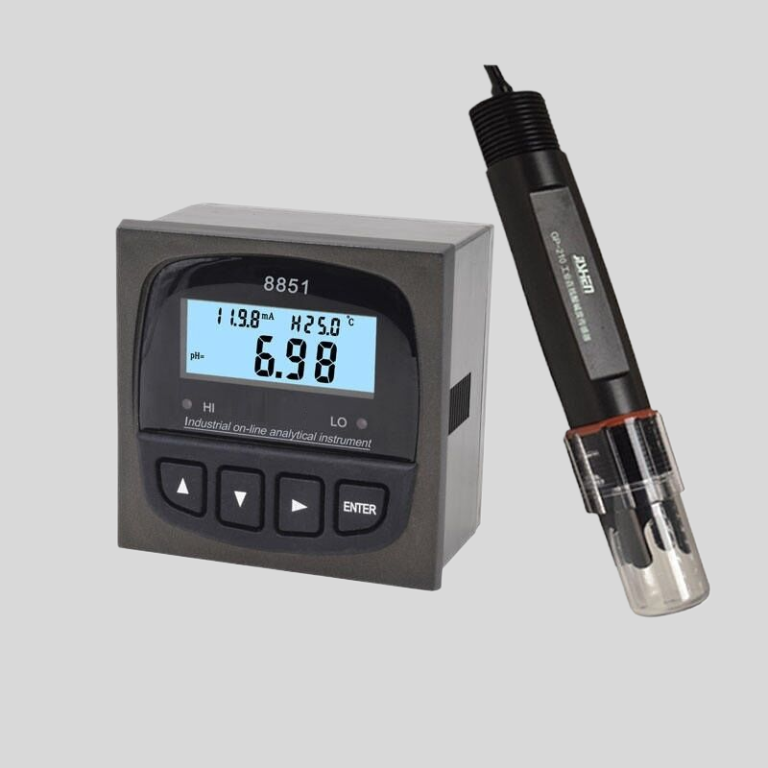
Beyond PFAS-specific analysis, supporting parameters provide context:
| Parameter | Relevance to PFAS Monitoring |
|---|
| pH | Affects PFAS speciation and treatability |
|---|
| Temperature | Influences treatment reactions and detection |
|---|
| Oil and grease | May indicate PFAS source materials |
|---|
Sampling Considerations
PFAS analysis requires specialized sampling procedures:
Treatment Technologies
Source Control
Preventing PFAS release is more cost-effective than treatment:
Conventional Treatment Limitations
Standard wastewater treatment processes do not remove PFAS:
Advanced Treatment Technologies
Effective PFAS treatment requires specialized technologies:
Granular Activated Carbon (GAC):
Reverse Osmosis (RO):
Ion Exchange Resins:
Advanced Oxidation Processes (AOP):
Compliance Strategy Development
Assessment Phase
1. Inventory PFAS use: Identify all PFAS-containing materials
2. Characterize waste streams: Sample and analyze process waters
3. Identify receptors: Map groundwater, surface water, drinking water intakes
4. Assess liability: Evaluate regulatory exposure and cleanup obligations
Monitoring Program Design
1. Select monitoring points: Strategic locations throughout operations
2. Establish sampling protocols: PFAS-specific procedures
3. Define trigger levels: Alert and action thresholds
4. Develop response procedures: Actions for different exceedance levels
Treatment System Evaluation
1. Evaluate treatment options: Match technologies to waste characteristics
2. Pilot testing: Verify treatment effectiveness
3. Design full-scale system: Scale from pilot results
4. Plan for disposal: Address concentrated waste streams
Conclusion
PFAS contamination represents a significant challenge for industries across multiple sectors. The combination of stringent regulations, documented health effects, and environmental persistence creates compelling reasons for proactive monitoring and control.
While PFAS-specific analysis requires specialized laboratories, water quality monitoring provides essential supporting data that informs treatment decisions and demonstrates operational control. ChiMay’s comprehensive water quality monitoring solutions support PFAS monitoring programs through accurate, reliable measurement of the parameters that affect PFAS behavior and treatment effectiveness.
Industries that act proactively to understand their PFAS exposure, implement appropriate monitoring programs, and evaluate treatment options will be better positioned to navigate the evolving regulatory landscape while protecting human health and the environment.