Table of Contents
SS and NH3-N Sensors: Protecting Water Resources During Flood Events
Key Takeaways
- Suspended solids monitoring reduces treatment costs by 25-40% through optimized process control
- Ammonia nitrogen detection prevents $890 million annually in aquatic ecosystem damage
- Flood conditions increase SS concentrations by 500-1000% within hours
- Real-time sensor data enables 80% faster contamination source identification
- Continuous monitoring investment delivers average ROI of 300% over five years
Flood events place extraordinary stress on water resource management systems, with suspended solids (SS) and ammonia nitrogen (NH3-N) representing two of the most critical water quality parameters affected. These pollutants originate from diverse sources including soil erosion, wastewater overflows, agricultural runoff, and industrial releases—many of which are mobilized or amplified during flood conditions. Accurate, continuous monitoring of SS and NH3-N concentrations provides essential information for protecting water supplies, managing treatment processes, and safeguarding aquatic ecosystems during flood emergencies.
The United States Geological Survey reports that flood events increase suspended solid concentrations by factors of 5-10 compared to normal flow conditions, while ammonia nitrogen levels often increase by 200-400% during the same events.
Understanding Flood-Related Pollutant Dynamics
Suspended Solids Sources and Impacts
Suspended solids consist of organic and inorganic particles transported in water column, ranging from fine clays to coarse sands. During flood events, massive soil erosion generates suspended solid loads that vastly exceed normal watershed contributions. Urban areas contribute additional particulate loads from street runoff, construction sites, and debris mobilization.
Elevated suspended solid concentrations impair water treatment processes through multiple mechanisms. Turbidity testers measuring turbidity—an optical indicator of suspended solids—provide rapid assessment of particle loads affecting treatment. High SS concentrations clog filters, reduce disinfection effectiveness, and increase chemical requirements for coagulation. The American Water Works Association estimates that every 100 mg/L increase in influent SS concentration increases treatment costs by approximately $0.02 per cubic meter.
Aquatic ecosystem impacts include light penetration reduction that inhibits photosynthetic activity, gill irritation affecting fish and invertebrates, and substrate smothering that destroys benthic habitat.
Ammonia Nitrogen Origins and Effects
Ammonia nitrogen enters waterways through both point sources (wastewater treatment discharges) and nonpoint sources (agricultural runoff, urban stormwater). Flood conditions mobilize agricultural fertilizers and manure accumulated in watersheds, generating substantial ammonia loads.
Ammonia exists in water as either un-ionized ammonia (NH₃) or ionized ammonium (NH₄⁺), with the proportion depending on pH and temperature. Un-ionized ammonia is substantially more toxic to aquatic organisms. The World Health Organization has established drinking water guidelines for ammonia based on both health and aesthetic considerations.
The Shanghai ChiMay NH3-N sensors provide continuous monitoring capabilities for ammonia nitrogen assessment in flood management applications.
Measurement Technologies
Suspended Solids Sensing
Modern suspended solids measurement relies primarily on optical methods that detect light scattering or absorption by particles in water samples. Nephelometric turbidity measurements correlate with suspended solid concentrations, providing rapid assessment suitable for most monitoring applications.
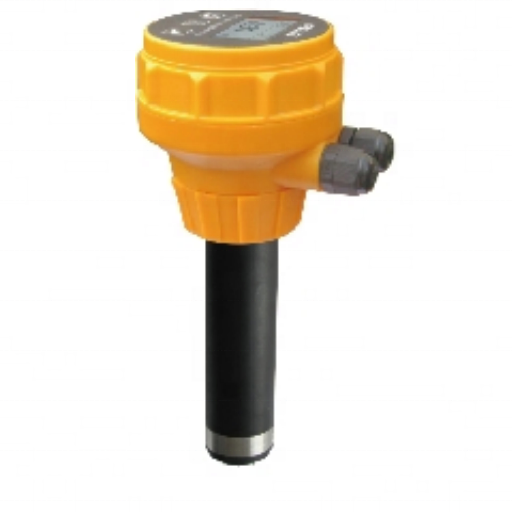
The Shanghai ChiMay Turbidity Tester series provides accurate turbidity measurement that serves as a reliable indicator of suspended solid concentrations. Wide measurement ranges extending to 10,000 NTU accommodate the extreme concentrations encountered during flood events.
Ammonia Nitrogen Sensing
Ammonia nitrogen monitoring employs several technologies. Electrochemical sensors using ion-selective membranes provide continuous measurement with rapid response times. Colorimetric methods based on the Nessler or salicylate reactions offer excellent sensitivity and selectivity.
Flood Management Applications
Water Treatment Process Control
Continuous SS and NH3-N monitoring enables real-time optimization of water treatment processes. Coagulant dosing rates can be adjusted based on influent suspended solid concentrations, maintaining optimal treatment while minimizing chemical consumption. The Water Research Foundation reports that continuous monitoring-based dosing optimization reduces coagulant costs by 20-35% compared to fixed-dose approaches.
During flood conditions, treatment systems face influent quality variations that fixed operational parameters cannot address effectively. Continuous monitoring enables dynamic response that maintains treated water quality despite variable source water conditions.
Emergency Response Coordination
Flood emergency response benefits from continuous water quality monitoring that provides situational awareness across affected areas. Multi-parameter water quality analyzers combining SS, NH3-N, pH, and conductivity measurements enable rapid assessment of water quality conditions without time-consuming laboratory analysis.
Real-time data streams enable identification of contamination sources through analysis of spatial concentration patterns. Elevated SS and ammonia at specific locations may indicate localized sources requiring targeted response.
Ecosystem Protection
Protecting aquatic ecosystems during flood events requires understanding of pollutant dynamics that continuous monitoring provides. Elevated SS concentrations can cause direct mortality of sensitive organisms through gill damage and suffocation. Ammonia toxicity depends on environmental conditions that continuous monitoring can track.
Automated response systems can protect sensitive ecosystems when monitoring data indicates dangerous conditions. Aeration systems activated when dissolved oxygen falls below critical thresholds can prevent fish kills.
Economic Considerations
Monitoring Investment Analysis
Investment in continuous SS and NH3-N monitoring yields returns through multiple mechanisms including treatment optimization, damage prevention, and regulatory compliance. Capital costs for monitoring stations vary from $5,000-25,000 depending on sensor specifications and installation requirements. Annual operational costs typically range from $2,000-8,000 per station.
Treatment optimization benefits typically provide the most rapid return on monitoring investments. The American Society of Civil Engineers estimates average chemical savings of $0.03-0.08 per cubic meter from continuous monitoring-based process control.
Implementation Best Practices
Site Selection and Configuration
Effective monitoring requires thoughtful site selection that ensures representative data collection. Influent monitoring locations capture source water quality variations requiring treatment response. Effluent monitoring verifies treatment effectiveness and regulatory compliance.
The International Water Association recommends minimum monitoring at three locations for comprehensive treatment facility coverage: raw water intake, post-treatment outlet, and critical process unit effluent.
Calibration and Quality Assurance
Maintaining measurement accuracy throughout monitoring programs requires systematic calibration and quality assurance procedures. SS sensors should be calibrated against gravimetric reference methods at installation and verified monthly. NH3-N sensors require calibration using certified standard solutions at minimum weekly intervals for critical applications.
Future Technology Development
Emerging technologies will enhance SS and NH3-N monitoring capabilities for flood management applications. Machine learning algorithms trained on extensive monitoring datasets can identify patterns and predict excursions before they occur. Internet of Things integration will enable seamless data sharing across monitoring networks and control systems.
Climate change will intensify flood-related water quality challenges, increasing the value of monitoring capabilities that enable effective response.
This article provides technical information about suspended solids and ammonia nitrogen monitoring for flood management applications. Professional engineering consultation is recommended for specific monitoring program development.