It seems we can’t find what you’re looking for. Perhaps searching can help.

Other Related Posts

Why Real-Time Water Quality Monitoring Reduces Chemical Waste Costs

Key Takeaways Industrial facilities spend $2.3 billion annually on water treatment chemicals, with up to 38% wasted due to delayed or inaccurate monitoring Switching from manual sampling to continuous online monitoring reduces chemical consumption by 23–41% within the first year of deployment Real-time data enables predictive dosing, cutting reagent waste and lowering hazardous disposal costs…
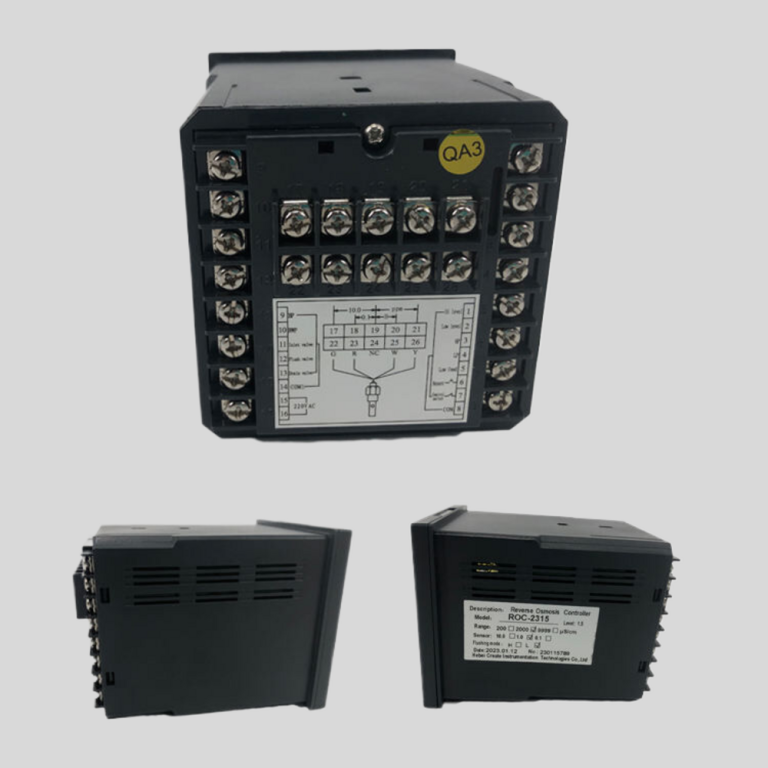
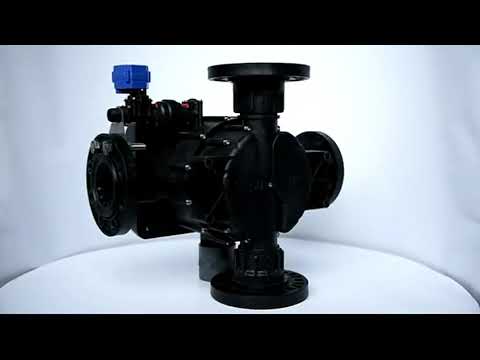
4-20ma flow sensor

4-20ma flow sensor

Benefits of Using a 4-20mA Flow Sensor in Industrial Applications In industrial applications, accurate measurement and monitoring of flow rates are crucial for ensuring efficient operations and maintaining product quality. One commonly used device for this purpose is the 4-20mA flow sensor. This type of sensor provides a reliable and precise way to measure flow…

Integrating Multi-Parameter Water Quality Sensors with Industrial IoT Platforms

Integrating Multi-Parameter Water Quality Sensors with Industrial IoT Platforms Key Takeaways IIoT-enabled monitoring reduces unplanned downtime by 30-45% through predictive analytics Multi-parameter sensors reduce installation costs by 50% versus single-parameter deployments Edge computing processes sensor data locally, reducing cloud bandwidth by 80% 85% of industrial facilities plan IIoT integration within 24 months The convergence of…

Residual Chlorine Sensor Selection for Food and Beverage Processing Applications

Key Takeaways Food and beverage processing facilities consume approximately $4.2 billion annually in water treatment costs, with disinfection representing 18% of total expenditure Residual chlorine sensor technology provides measurement accuracy of ±0.03 mg/L for precise disinfection control Optimized chlorine dosing through continuous monitoring reduces chemical costs by 28% while maintaining regulatory compliance ChiMay’s electrochemical sensors…