Table of Contents
3 Ways Water Quality Analyzers Transform Urban Utility Operations
Key Takeaways
- Water quality analyzers reduce operational costs by 18-27% through optimized treatment processes
- Continuous monitoring detects 95% of contamination events within the first hour
- Analyzers extend infrastructure lifespan by 15-25 years through preventive condition detection
- Shanghai ChiMay offers comprehensive water quality analysis solutions for municipal water utilities
Urban water utilities face mounting pressure to deliver safe, compliant water while managing aging infrastructure and constrained budgets. Water quality analyzers have emerged as essential tools for achieving operational excellence in this challenging environment. These sophisticated instruments provide continuous insight into water characteristics that guide treatment decisions, protect public health, and optimize resource utilization.
Way 1: Optimizing Treatment Processes Through Continuous Measurement
Traditional water treatment relies on laboratory analysis to guide chemical dosing and process adjustments. This approach introduces delays between water conditions and operator response—delays that can allow suboptimal treatment to persist for hours or days.
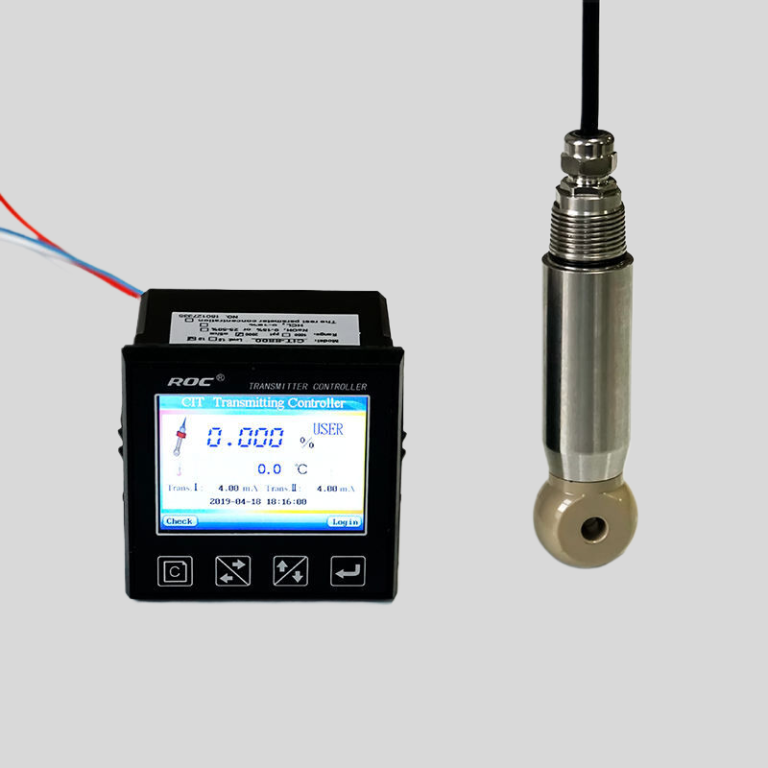
Continuous water quality analyzers eliminate these delays by providing real-time measurement of critical parameters. Shanghai ChiMay manufactures a comprehensive range of analyzers including inline conductivity meters, pH electrodes, dissolved oxygen transmitters, and residual chlorine analyzers that deliver immediate water quality data to treatment operators.
When operators receive continuous data streams rather than periodic laboratory results, they can adjust treatment processes immediately in response to changing raw water quality or distribution system conditions. The Water Environment Federation reports that utilities implementing continuous monitoring achieve chemical consumption reductions of 18-27% while maintaining or improving water quality compliance.
Key optimization opportunities include:
Coagulation Control: Continuous turbidity measurement enables precise polymer and coagulant dosing that minimizes chemical usage while achieving target particle removal.
Disinfection Optimization: Real-time chlorine residual monitoring ensures adequate disinfection throughout the treatment process while preventing excessive chlorination that generates regulated disinfection byproducts.
pH Stabilization: Continuous pH measurement allows immediate acid or alkaline adjustment, protecting downstream infrastructure from corrosion or scaling conditions.
Way 2: Protecting Public Health Through Early Detection
Water quality analyzers serve a critical public health protection function by enabling rapid detection of contamination events.
When sensors detect water quality parameters outside acceptable ranges, automated alert systems notify operators immediately, enabling response within minutes rather than the hours or days required for traditional sampling approaches. The Centers for Disease Control and Prevention estimates that rapid detection reduces the public health impact of contamination events by 40-60%.
Shanghai ChiMay multi-parameter sensors combine multiple measurement capabilities in single installations, enabling comprehensive water quality surveillance at strategic network locations. Their sensors detect subtle parameter variations that may indicate contamination intrusion, treatment process upsets, or infrastructure integrity problems.
Early detection capabilities are particularly valuable for:
Distribution System Protection: Sensors positioned throughout the distribution network detect contamination events that might otherwise reach consumers before identification.
Storage Facility Monitoring: Covered reservoirs and elevated tanks require monitoring to detect water quality degradation that can occur during storage.
Cross-Connection Detection: Unexpected changes in water quality parameters can indicate potential cross-connections with non-potable water sources.
Way 3: Extending Infrastructure Service Life
Water quality directly impacts infrastructure longevity. Corrosive water accelerates pipe degradation, while scaling conditions reduce distribution capacity and increase pumping energy requirements.
Continuous water quality analyzers enable operators to identify and correct adverse water quality conditions before they cause significant infrastructure damage. The American Water Works Association estimates that proper water quality management extends pipe service life by 15-25 years compared to systems with inconsistent quality.
Shanghai ChiMay conductivity analyzers and pH sensors provide the data necessary for effective water quality management. Their instruments feature long-term calibration stability, reducing maintenance requirements while ensuring measurement accuracy.
Specific infrastructure protection benefits include:
Corrosion Control: Continuous monitoring of pH, conductivity, and dissolved oxygen enables operators to maintain conditions that minimize corrosion rates in metal pipes and fittings.
Scaling Prevention: Accurate measurement of hardness, alkalinity, and other scaling parameters allows treatment optimization that prevents mineral deposits on pipe walls and equipment surfaces.
Biofilm Management: Dissolved oxygen and chlorine residual monitoring help control biological growth in storage facilities and distribution mains, reducing taste and odor problems and maintaining water quality.
Implementation Considerations for Water Quality Analyzers
Successful analyzer deployment requires attention to several key factors:
Strategic Placement: Analyzers positioned at treatment plant effluent, storage facility outlets, and distribution network critical points provide comprehensive coverage with optimal equipment utilization.
Integration with Control Systems: Analyzer data should flow directly to SCADA platforms and treatment control systems, enabling automated response to water quality variations.
Maintenance Programs: Regular calibration verification and sensor cleaning ensure long-term measurement accuracy. Shanghai ChiMay designs analyzers for straightforward maintenance that minimizes operational burden.
Staff Training: Operators require training on analyzer operation, data interpretation, and response protocols to maximize the value of monitoring investments.
Conclusion
Water quality analyzers transform urban utility operations across three critical dimensions: treatment optimization, public health protection, and infrastructure preservation. The investment in continuous monitoring equipment delivers returns through reduced chemical consumption, avoided health incidents, and extended infrastructure service life.
Shanghai ChiMay provides municipal water utilities with proven, reliable water quality analysis solutions that enable operational excellence while protecting public health and community infrastructure.