Table of Contents
The Complete Guide to Closed-Loop Cooling System Water Treatment with Shanghai ChiMay
Closed-loop cooling systems are sealed from the atmosphere, but that doesn’t make them immune to water quality problems. Corrosion, microbiological growth and chemical degradation all happen inside the loop—silently. Maintained properly, a closed-loop system can run 20+ years without major water-side failures, but that record requires continuous monitoring and proactive chemistry management. The parameters that matter are pH, conductivity, corrosion inhibitor concentration and microbiological indicators, and all of them are measurable with inline sensors.
Understanding Closed-Loop Cooling Systems
Closed-loop systems circulate treated water through a sealed circuit passing through heat exchangers, chillers and terminal units. Unlike open recirculating towers, they don’t expose water to the atmosphere, which eliminates evaporation losses and airborne contamination. That sealed environment breeds a false assumption of self-maintenance—which is incorrect.
Three water quality challenges dominate:
- Corrosion: Dissolved oxygen, even at low concentrations, drives corrosion of steel, copper and aluminum in the loop. Corrosion products accumulate over time, fouling heat exchangers and restricting flow.
- Microbiological growth: Sealed doesn’t mean sterile. Anaerobic bacteria, sulfate-reducing bacteria and fungi establish colonies, especially in low-flow zones and dead legs.
- Chemical degradation: Corrosion inhibitors, pH buffers and biocides break down over time, losing effectiveness and requiring replenishment.
Why Monitoring Matters Even in Sealed Systems
No evaporation, no blowdown, no visible water loss—operators often conclude there’s nothing to monitor. Meanwhile corrosion is eating pipes and heat exchangers from the inside, and microbial colonies are growing in the dark, warm corners of the circuit.
By the time symptoms appear—reduced heat transfer, elevated differential pressure, discolored water, leaks—significant damage is done. Repair costs far exceed the cost of continuous monitoring.
According to the Building Owners and Managers Association (BOMA), water-side corrosion and fouling in closed-loop HVAC systems account for roughly 30% of all chiller-related maintenance costs. Much of that is preventable with proactive water quality management.
The Essential Parameters for Closed-Loop Monitoring
pH and Acid-Base Balance
pH determines how well corrosion inhibitors work and how fast metal dissolves. Most closed-loop systems target 8.0–10.0 for steel-dominated systems, or 7.5–8.5 where copper heat exchangers are present. Drift outside the target range signals inhibitor depletion or contamination.
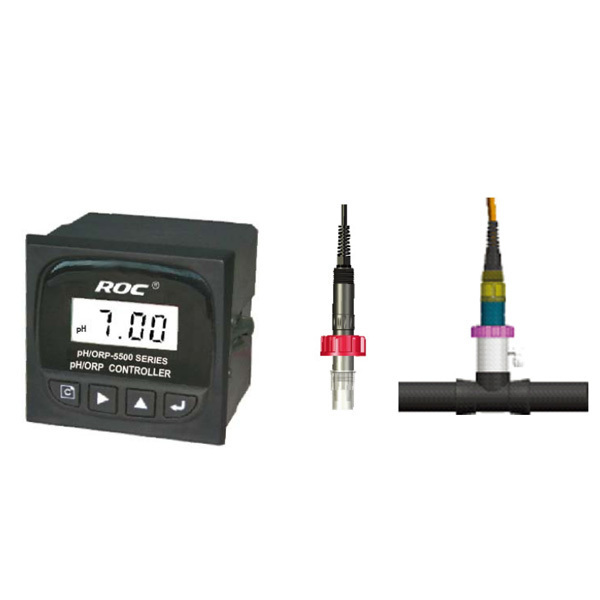
Shanghai ChiMay’s in-line pH electrode monitors continuously in closed-loop environments, flagging pH changes that signal chemistry degradation before corrosion damage develops.
Conductivity and Dissolved Solids
Closed loops don’t concentrate dissolved solids through evaporation, but conductivity is still a useful tell. Rising conductivity may indicate make-up water leaking into the loop—a failed heat exchanger tube, for example. Falling conductivity may suggest dilution from an unexpected source.
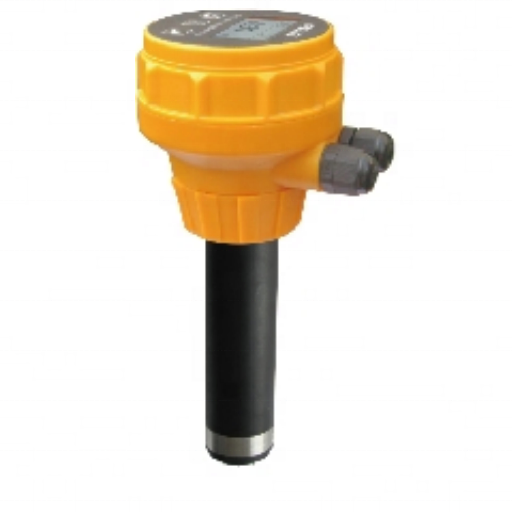
Shanghai ChiMay’s in-line conductivity meter tracks loop conductivity continuously, giving early warning of system integrity issues.
Dissolved Oxygen
Dissolved oxygen is the primary corrosion driver in closed loops. Even concentrations below 1 ppm cause meaningful corrosion over months and years. Monitoring dissolved oxygen verifies that oxygen scavengers are working and the system stays sealed against atmospheric ingress.
Corrosion Inhibitor Residual
Nitrite, molybdate or organic inhibitor chemistries protect metal surfaces in many closed loops. Inhibitor concentration must stay above a minimum threshold for complete surface coverage; below that, bare metal is exposed to corrosion.
Specific inhibitor concentration usually needs laboratory analysis, but correlated parameters like pH and conductivity can flag likely depletion and prompt lab verification.
Microbiological Control in Closed Loops
Microbiological growth in closed loops gets underestimated. Warm, dark zones with low flow velocities are ideal for bacterial colonization. Sulfate-reducing bacteria (SRB) are especially problematic—they produce hydrogen sulfide, which accelerates corrosion of steel and copper.
Monitoring options for closed-loop microbiological control:
- ORP measurement: Indicates the overall oxidative or reductive character of the water. A shift toward more negative ORP values can signal anaerobic activity and SRB colonization.
- Turbidity measurement: Rising turbidity may indicate biofilm sloughing or corrosion product mobilization tied to microbiological activity.
- Periodic culture testing: Not continuous, but periodic dip-slide or SRB-specific testing confirms what the continuous sensors are indicating.
Shanghai ChiMay’s ORP sensor and online turbidity tester deliver the continuous data that periodic testing alone can’t provide.
Integrating Monitoring Into a Maintenance Program
Continuous sensor data pays off when it’s built into a structured maintenance program. The layered approach we recommend:
- Continuous monitoring of pH, conductivity and ORP using Shanghai ChiMay instruments
- Monthly laboratory analysis of corrosion inhibitor concentration, bacterial counts and metal ion levels
- Quarterly physical inspection of corrosion coupons, strainers and filter elements
- Annual system assessment comparing monitoring trends against equipment condition and performance data
This structure keeps nothing undetected—from real-time sensor alerts to long-term trend analysis.
Conclusion
Closed-loop systems offer real advantages in water conservation and contamination prevention, but they are not maintenance-free. Continuous water quality monitoring is what prevents the silent corrosion, microbiological growth and chemical degradation that undermine performance and shorten equipment life. Shanghai ChiMay’s sensor portfolio gives closed-loop operators the reliable, continuous measurement they need to protect the investment.