Table of Contents
Budget Considerations for Smart Water Network Deployments
ChiMay Product Category: Water Quality Equipment
Key Takeaways
- Average smart water network deployment costs range from $150 to $400 per meter of monitored pipeline
- Implementation phase typically consumes 60-70% of total project budgets for initial deployments
- Ongoing operations and maintenance represent 25-35% of 10-year lifecycle costs for smart water systems
- Utilities achieving full smart network deployment report operational cost reductions of 15-25% within five years
- Phased implementation approaches reduce annual budget requirements by 40-60% compared to single-phase deployments
The financial dimension of smart water network deployment represents a critical success factor that frequently determines project scope, timeline, and ultimate success. Utilities must develop realistic budget projections that accommodate both capital investment requirements and ongoing operational costs while maintaining financial sustainability and rate affordability. The complexity of smart water technologies and integration requirements creates substantial uncertainty in budget estimation that must be addressed through careful planning and contingency management.
Budget planning for smart water networks extends well beyond sensor and meter acquisition to encompass communication infrastructure, data management systems, integration development, and organizational capability building. Research from the Water Research Foundation indicates that hardware procurement typically represents only 35-45% of total smart water implementation costs, with software, integration, and professional services comprising the remaining majority. Utilities that focus exclusively on device costs frequently encounter budget shortfalls during implementation phases.
Capital Investment Components
Smart water network capital investments span multiple technology categories that must be budgeted comprehensively to ensure project success. End-point devices including smart meters, flow meters, and water quality sensors constitute the visible hardware investment that receives primary attention during budget development. However, supporting infrastructure including communication networks, data management platforms, and system integration often represents comparable or greater investment requirements that deserve proportional attention.
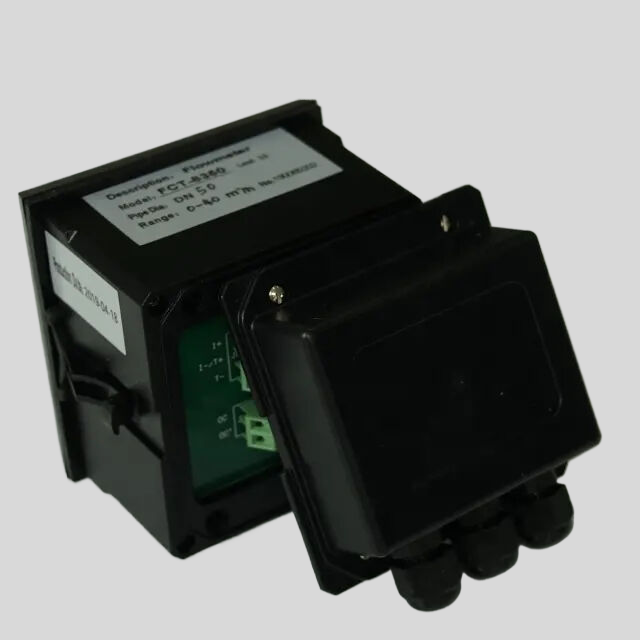
Smart meter acquisition costs have declined substantially over the past decade, with residential smart water meters now available from $50-150 depending on measurement technology and communication capabilities. Commercial and industrial meters with higher measurement accuracy requirements and greater data management capabilities may cost $300-2,000 depending on size and functionality. Flow meters for distribution system monitoring range from $500-5,000 depending on pipe size and measurement technology, with larger diameters and electromagnetic measurement approaches commanding premium pricing.
Communication infrastructure represents a frequently underestimated capital requirement for smart water deployments. Cellular-based solutions minimize upfront infrastructure investment but incur ongoing connectivity costs that accumulate substantially over system life. Fixed network approaches using radio frequency mesh or point-to-multipoint architectures require substantial base station and gateway investments that may range from $2-5 million for medium-sized utility service territories. The selection of communication approach significantly impacts both capital and operational budget requirements.
Data management and analytics platforms require investment in both technology acquisition and implementation services. Enterprise meter data management systems typically cost $500,000-2 million for licensing and implementation, with ongoing annual maintenance fees of 15-20% of initial licensing costs. Integration with customer information systems, billing platforms, and operational technology environments may require additional investment depending on existing system architectures and integration complexity.
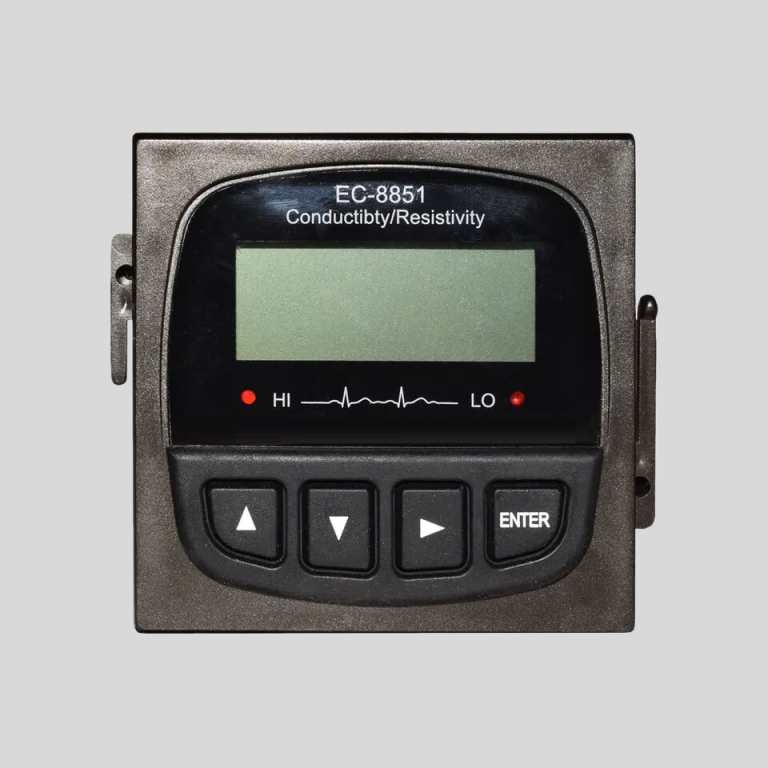
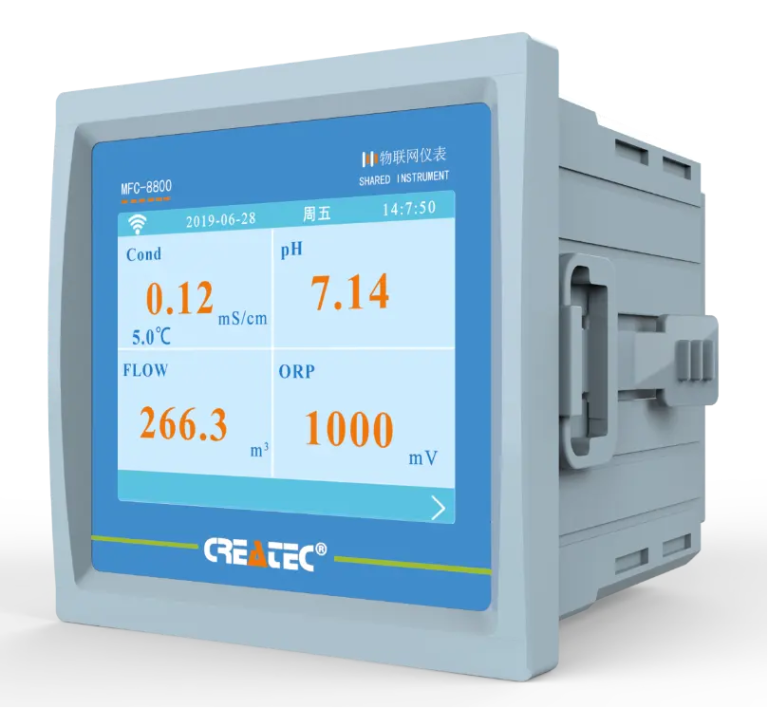
ChiMay’s water quality monitoring equipment provides essential data collection capabilities that complement smart meter investments. The comprehensive monitoring approach that combines customer consumption data with distribution system water quality measurements delivers greater operational insights than either measurement system alone. Budget planning should address both customer metering and system monitoring requirements to achieve full smart network benefits.
Operational Cost Considerations
Ongoing operational costs for smart water networks include communication fees, software maintenance, system support, and field maintenance activities. These recurring expenses accumulate substantially over system life, often exceeding initial capital investments for deployments with long operational horizons. Utilities must incorporate operational cost projections into financial planning to ensure sustainable system operation over intended service life.
Communication costs for cellular-based smart meter solutions typically range from $0.50-2.00 per meter per month depending on data plan pricing and communication frequency. For a utility with 100,000 smart meters, monthly communication costs may range from $50,000-200,000 annually, representing $600,000-2.4 million over a 10-year operational period. Fixed network solutions require base station maintenance but eliminate per-meter connectivity fees, providing cost advantages for larger deployments.
System maintenance and support contracts typically cost 10-15% of software licensing fees annually, covering software updates, security patches, and technical support access. Field maintenance requirements depend on device reliability, environmental conditions, and maintenance interval requirements. Smart meters generally require minimal field maintenance, with battery replacement the most common service activity occurring at 10-15 year intervals. Water quality sensors require more frequent maintenance attention including calibration verification and consumable replacement.
Staff training and development represent often-overlooked operational cost components that significantly impact system value realization. Effective smart water network operation requires personnel with data analytics capabilities, system administration skills, and operational technology expertise that may not exist within existing utility staff. Training investments of $5,000-15,000 per staff member may be required to develop necessary capabilities, with ongoing professional development maintaining skill currency.
Phased Implementation Approaches
Phased implementation strategies enable utilities to manage budget requirements while building organizational capabilities progressively. Rather than attempting comprehensive deployment in a single phase, staged approaches allow utilities to demonstrate value, refine approaches, and build internal expertise before committing to full-scale implementation. This approach reduces annual capital requirements while improving implementation success rates.
Phased approaches typically divide smart water deployments into three to five implementation phases spanning three to seven years. Initial phases focus on highest-value deployment areas such as commercial districts, high-consumption customers, or critical infrastructure zones where smart monitoring delivers maximum benefit. Subsequent phases extend coverage to residential areas and lower-priority zones as the utility develops operational capabilities and demonstrates value realization.
Budget allocation across phases should include appropriate contingency reserves to address implementation learning and technology evolution. Experience from early implementations frequently reveals scope additions or approach modifications that require budget flexibility. Contingency allocations of 15-25% of phase budgets are typical for smart water deployments, with higher contingencies recommended for initial phases where uncertainty is greatest.
Return on Investment Analysis
Smart water network investments generate returns through multiple value streams that collectively justify deployment expenditures. Non-revenue water reduction, operational efficiency improvement, customer service enhancement, and regulatory compliance support contribute to investment returns that typically achieve payback periods of 5-8 years for comprehensive deployments. The specific value realization depends on utility characteristics, baseline performance, and implementation approach.
Non-revenue water reduction represents the largest value component for many utilities, with smart meter deployments typically identifying 3-5% of total consumption in previously unmetered or misread consumption. At water rates of $2-4 per cubic meter, unmetered consumption recovery can generate annual revenue increases of $500,000-3 million for medium-sized utilities. Leak detection capabilities enabled by continuous monitoring provide additional non-revenue water reduction by identifying system losses that traditional approaches miss.
Operational efficiency improvements include reduced meter reading costs, optimized chemical dosing, improved pump operations, and decreased emergency repair requirements. These efficiency gains typically reduce operational costs by 5-15% following full smart network deployment. The specific improvement magnitude depends on baseline operational efficiency and the extent to which smart network data enables process optimization.
Conclusion
Budget planning for smart water network deployments requires comprehensive consideration of capital investments, operational costs, and expected returns across system life. Utilities that develop realistic budget projections incorporating all cost components position themselves for successful implementation that delivers promised operational improvements. Phased implementation approaches provide budget flexibility while building organizational capabilities that ensure effective system utilization. The substantial investment required for smart water networks generates compelling returns through improved efficiency, reduced losses, and enhanced service delivery that justify the financial commitment.