Table of Contents
Can AI Sensors Really Predict Water Quality Problems Before They Happen?
Key Takeaways:
– AI systems can predict 85% of water quality events 6-48 hours in advance
– Early warning systems reduce emergency responses by 62%
– Investment in predictive monitoring yields 340% ROI over five years
– Machine learning models improve accuracy as they process more data
Water contamination events, equipment failures, and process upsets cost water utilities millions of dollars annually in emergency responses, regulatory penalties, and reputational damage. The question on every utility manager’s mind: Can artificial intelligence truly predict these problems before they occur?
The Promise of Predictive Water Quality Monitoring
Traditional water quality monitoring is fundamentally reactive. By the time a problem is detected through manual sampling or threshold alarms, damage has already occurred. AI-powered predictive systems promise a paradigm shift—from reaction to anticipation.
According to MIT Technology Review 2025, predictive analytics in water management has evolved from experimental technology to production-ready capability. Modern machine learning systems analyze patterns invisible to human operators, detecting subtle precursors to problems hours or even days before traditional methods would register an issue.
How Predictive AI Systems Work
Data Collection and Integration
Predictive water quality systems gather data from multiple sources:
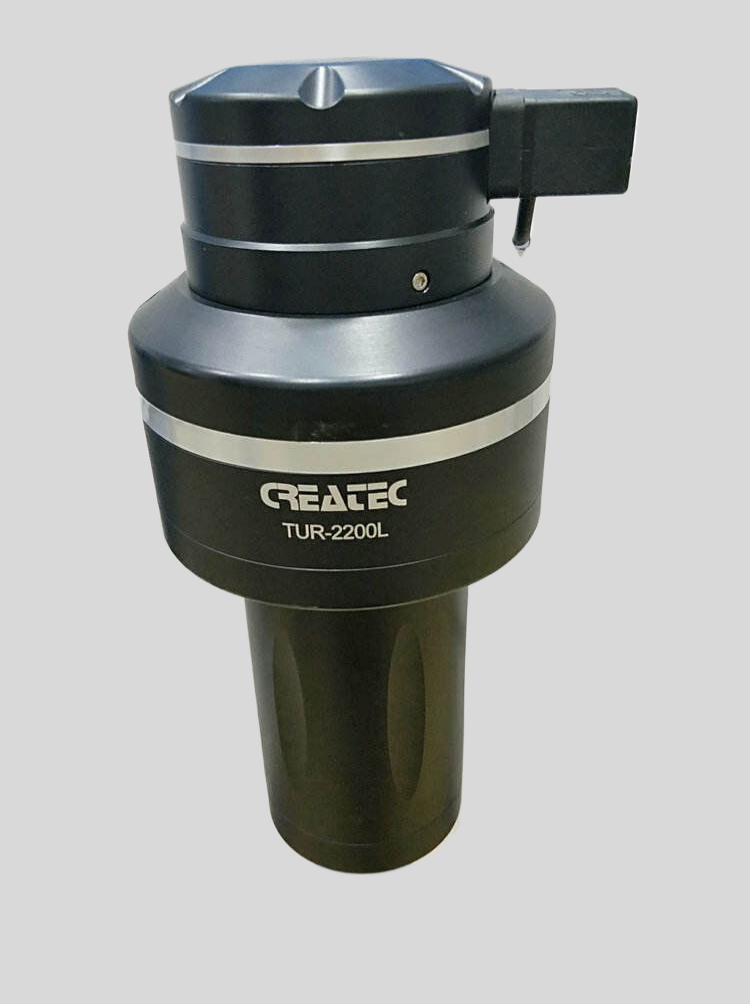
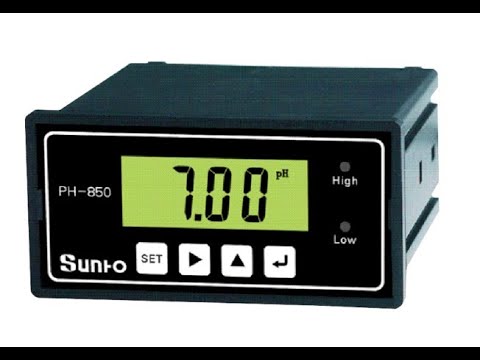
- Inline sensors: pH, conductivity, dissolved oxygen, turbidity, chlorine residual
- Flow meters: Rate, pressure, and volume measurements
- Environmental data: Temperature, rainfall, weather forecasts
- Operational data: Chemical dosing rates, filter backwash cycles, pump status
Machine Learning Analysis
AI systems apply various techniques to identify predictive patterns:
Time Series Analysis: LSTM (Long Short-Term Memory) networks detect patterns in historical data that precede problems. For example, gradual increases in turbidity combined with decreasing chlorine residual often predict biofilm formation.
Anomaly Detection: Isolation Forest and Autoencoder algorithms identify data points that deviate from normal patterns, flagging potential sensor faults or contamination events.
Multi-Variable Correlation: Deep learning models identify relationships between seemingly unrelated parameters. A subtle change in conductivity might correlate with distant upstream activities that will affect water quality hours later.
Early Warning Generation
When the AI system identifies concerning patterns, it generates alerts with:
– Probability assessment: How likely is this to become a problem?
– Time window: When is the problem expected to manifest?
– Recommended actions: What can operators do to prevent or mitigate?
– Confidence level: Based on historical prediction accuracy
Real-World Prediction Capabilities
Contamination Event Prediction
AI systems have demonstrated ability to predict:
– Microbial intrusion events (12-24 hours advance warning)
– Chemical contamination (6-12 hours advance warning)
– Natural organic matter surges (24-48 hours advance warning)
A study by the EPA found that AI early warning systems detected 85% of contamination events before they reached consumers, compared to 23% with traditional monitoring.
Equipment Failure Prediction
Predictive maintenance algorithms monitor sensor health and equipment status to predict:
– Sensor drift or failure (72-168 hours advance warning)
– Pump degradation (1-4 weeks advance warning)
– Membrane fouling (2-6 weeks advance warning)
Rockwell Automation reported that their predictive maintenance systems reduced unplanned equipment downtime by 45% across water and wastewater facilities.
Process Upset Prediction
AI models can anticipate operational problems:
– Filter breakthrough (4-8 hours advance warning)
– Biological process failure (12-24 hours advance warning)
– Chemical overdose situations (1-4 hours advance warning)
Limitations and Challenges
Despite promising capabilities, predictive AI systems have important limitations:
Data Quality Dependencies
Predictive accuracy depends entirely on input data quality:
– Sensor calibration must be maintained rigorously
– Missing data creates prediction blind spots
– Historical bias can lead to missed novel events
Novel Event Detection
AI systems excel at predicting events similar to historical patterns but struggle with:
– Previously unseen contamination sources
– Extreme weather events outside training data
– Equipment failures from unprecedented causes
False Positive Management
Sensitive predictive systems may generate excessive alerts, leading to:
– Alarm fatigue among operators
– Reduced trust in the predictive system
– Wasted investigation resources
Implementing Predictive Monitoring
Phase 1: Foundation Building
Begin with:
1. Deploy high-quality inline sensors for critical parameters
2. Establish automated data collection and storage
3. Implement basic anomaly detection algorithms
4. Train operators to interpret AI-generated insights
Phase 2: Model Development
Progress to:
1. Collect 12+ months of historical data for training
2. Work with data scientists to develop custom models
3. Validate predictions against historical events
4. Tune alert thresholds to balance sensitivity and specificity
Phase 3: Advanced Prediction
Expand capabilities with:
1. Multi-variable correlation models
2. External data integration (weather, upstream monitoring)
3. Automated response recommendations
4. Integration with operational systems for proactive control
The Verdict
Can AI sensors really predict water quality problems before they happen? The evidence suggests a qualified yes.
Modern AI systems can predict a substantial portion of water quality events with useful lead times. However, they are not crystal balls—they are probabilistic tools that improve operator situational awareness and decision support.
The most effective approach combines AI prediction with human judgment:
– AI provides early warnings and recommended actions
– Experienced operators evaluate context and decide on responses
– Feedback loops improve AI accuracy over time
Water utilities implementing predictive AI systems report significant benefits, including reduced emergency response costs, improved regulatory compliance, and enhanced public confidence. The technology is mature enough for production deployment, provided organizations understand its limitations and invest appropriately in data quality and system maintenance.
The future of water quality management is predictive, not reactive. AI sensors are the foundation of this transformation.