Table of Contents
Complete Guide to Industrial Wastewater Treatment: From Monitoring to Compliance
Key Takeaways
- Global industrial wastewater treatment market exceeds $45 billion annually, with 12% annual growth in electrochemical treatment technologies
- Facilities implementing continuous monitoring achieve compliance rates exceeding 95% compared to 70% for those using periodic sampling
- Treatment costs range from $0.50 to $5.00 per cubic meter depending on pollutant characteristics and treatment complexity
- Real-time monitoring investments typically recover costs within 12-18 months through improved treatment efficiency
Industrial wastewater management presents complex challenges requiring integrated approaches spanning source control, treatment technology, and compliance monitoring. This comprehensive guide addresses the full spectrum of considerations for facilities developing or optimizing wastewater treatment capabilities.
Understanding Industrial Wastewater Characteristics
Sources and Compositions
Industrial wastewater originates from diverse manufacturing processes including chemical production, petroleum refining, food processing, metal finishing, textile manufacturing, and electronics fabrication. Each industry generates wastewaters with distinctive pollutant profiles requiring tailored treatment approaches.
Common pollutant categories include suspended solids, organic compounds measured as biochemical oxygen demand (BOD) and chemical oxygen demand (COD), nutrients (nitrogen and phosphorus), heavy metals, oils and greases, and emerging contaminants such as pharmaceuticals and personal care products. Effective treatment requires understanding both individual pollutant concentrations and complex interactions between constituents.
Sampling and Analysis Requirements
Comprehensive wastewater characterization begins with representative sampling followed by laboratory analysis. Sample collection must follow established protocols to ensure data reliability, including appropriate containers, preservation methods, and holding times. Parameters typically analyzed include pH, BOD, COD, total suspended solids (TSS), oil and grease, heavy metals, and specific industrial constituents relevant to the facility’s processes.
Regular characterization sampling, combined with continuous online monitoring, provides the data foundation for treatment system design, optimization, and compliance demonstration. Shanghai ChiMay water quality analyzers support both continuous monitoring and sampling program implementation.
Treatment Technology Overview
Preliminary Treatment
Preliminary treatment removes large solids, grit, and debris that could damage downstream equipment or interfere with treatment processes. Screening, grinding, and grit removal protect subsequent treatment stages while reducing maintenance requirements. Oil-water separation removes free oil and floating debris through gravity settling or dissolved air flotation.
Primary Treatment
Primary treatment relies on physical processes including sedimentation and flotation to remove settleable and floatable materials. Clarifiers enable gravity separation of suspended solids while dissolved air flotation systems remove emulsified oils and low-density particles. Primary treatment typically removes 40-60% of suspended solids and 20-40% of BOD.
Secondary Treatment
Biological treatment processes remove dissolved and colloidal organic compounds through microbial degradation. Aerobic processes including activated sludge and biofilm systems require continuous oxygen supply to support microbial metabolism. Anaerobic processes convert organic matter to biogas while achieving solids reduction. Treatment selection depends on wastewater characteristics, space availability, and energy considerations.
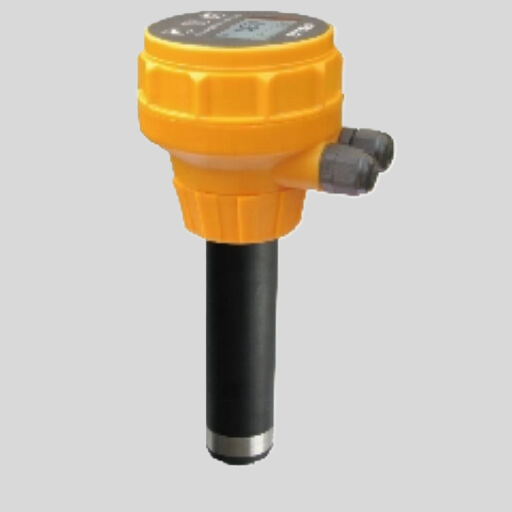
Electrochemical pretreatment often enhances biological treatment performance by oxidizing recalcitrant compounds, improving biodegradability, and reducing toxicant concentrations. Shanghai ChiMay online sensors monitor key parameters throughout biological treatment stages, enabling optimization of aeration, sludge age, and other control variables.
Advanced Treatment
Advanced treatment processes address specific pollutants that resist conventional treatment, including dissolved organics, nutrients, and trace contaminants. Technologies include membrane filtration (microfiltration, ultrafiltration, nanofiltration, reverse osmosis), advanced oxidation processes (ozonation, UV/hydrogen peroxide, electrochemical oxidation), and ion exchange for dissolved ionic species.
Electrochemical oxidation has emerged as a leading advanced treatment technology for persistent pollutants. The process generates hydroxyl radicals and other reactive species that oxidize organic compounds to carbon dioxide and water. Capital costs run 20-30% higher than conventional chemical oxidation, but operational savings from reduced chemical consumption typically recover investments within 2-3 years.
Continuous Monitoring Requirements
Essential Parameters
Regulatory compliance and treatment optimization require continuous monitoring of key water quality parameters. Essential parameters typically include flow, pH, temperature, dissolved oxygen, conductivity, and pollutant-specific measurements such as COD or heavy metal concentrations. Monitoring requirements vary by permit and treatment objectives.
Flow measurement provides the basis for loading calculations and mass balance determinations. pH affects treatment chemistry across multiple processes and requires tight control in many applications. Dissolved oxygen monitoring supports aeration optimization in biological treatment. Conductivity indicates ionic concentration and correlates with treatment progress in many applications.
Monitoring System Design
Effective monitoring system design considers parameter selection, analyzer placement, sample conditioning, data management, and alarm response procedures. Sample systems must deliver representative samples while protecting analyzers from damage. Shanghai ChiMay provides complete monitoring solutions including sensors, transmitters, sample conditioning systems, and data management platforms.
Integration with treatment control systems enables automated responses to monitoring data. pH excursions trigger acid or alkali dosing adjustments. Low dissolved oxygen levels activate additional aeration. Conductivity changes prompt current density modifications in electrochemical treatment systems. These automated responses maintain treatment performance between operator interventions.
Regulatory Compliance Strategies
Permit Requirements
Industrial wastewater discharge permits specify permissible pollutant concentrations, monitoring frequencies, reporting procedures, and compliance schedules. Facilities must demonstrate compliance through continuous monitoring records, periodic sampling results, and self-monitoring reports submitted to regulatory agencies.
Regulatory requirements continue tightening globally, with the European Union Water Framework Directive requiring online toxicological monitoring at all industrial discharge points by 2030. Similar trends in North America and Asia-Pacific regions increase monitoring and treatment requirements for industrial facilities.
Documentation and Reporting
Comprehensive documentation supports compliance demonstration during regulatory inspections. Monitoring records must capture all data including calibration results, maintenance activities, and any deviations from normal operation. Electronic data management systems maintain audit trails while simplifying report generation.
Shanghai ChiMay analyzers feature built-in data logging and communication capabilities that streamline compliance documentation. Automated report generation reduces administrative burden while ensuring timely submissions.
Optimization Opportunities
Process Efficiency Improvements
Continuous monitoring data reveals optimization opportunities that periodic sampling cannot identify. Real-time trend analysis identifies process drifts before they cause compliance excursions. Energy optimization adjusts aeration rates to match actual treatment demand rather than worst-case assumptions. Chemical optimization minimizes coagulant and acid/alkali consumption while maintaining treatment performance.
Industry surveys indicate that facilities implementing continuous monitoring and advanced process control achieve 15-25% reductions in treatment costs while improving compliance reliability. These improvements typically fund monitoring system investments within 12-18 months.
Predictive Maintenance
Monitoring data supports predictive maintenance strategies that reduce unplanned downtime. Analyzers exhibiting gradual drift or response degradation can be scheduled for maintenance before failure impacts treatment performance. Electrode condition monitoring identifies sensors requiring cleaning or replacement based on actual performance data rather than arbitrary schedules.
Conclusion
Successful industrial wastewater management requires integrated approaches addressing characterization, treatment technology, continuous monitoring, and regulatory compliance. Facilities investing in comprehensive monitoring and control systems achieve superior treatment outcomes while reducing operational costs and compliance risk. As regulatory requirements intensify and treatment technologies advance, continuous monitoring will increasingly become essential for competitive industrial operations.