Table of Contents
Edge Computing Applications for Industrial Water Treatment Monitoring
Key Takeaways:
– Edge computing reduces water monitoring data transmission costs by 68% while maintaining analytical capability
– Local data processing enables sub-second response times for critical alarms independent of cloud connectivity
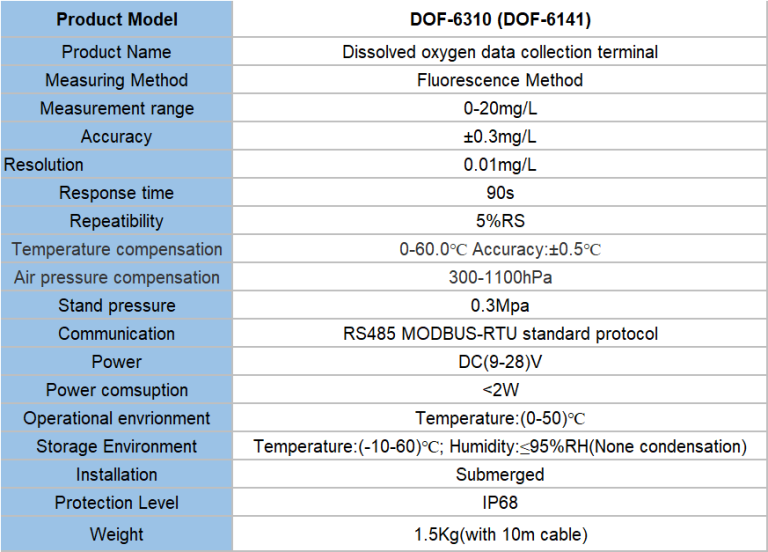
– Shanghai ChiMay smart sensors support edge computing protocols including MQTT and REST API
– Edge-deployed AI models achieve 91% accuracy in real-time anomaly detection
– Facilities utilizing edge analytics report 43% reduction in cloud connectivity failures
Edge computing represents a fundamental architectural shift in industrial water monitoring, moving computational intelligence from centralized cloud platforms to distributed devices located at or near measurement points. This approach addresses critical limitations of cloud-centric architectures including latency, bandwidth, connectivity dependency, and data security concerns.
The International Data Corporation (IDC) projects edge computing adoption in industrial applications to grow at 32% CAGR through 2030, with water treatment representing one of the fastest-growing segments. This growth reflects demonstrated operational benefits across diverse application scenarios.
Understanding Edge Computing in Water Treatment Context
Edge computing encompasses computational resources deployed at multiple locations within water treatment infrastructure:
Sensor-Level Edge: Intelligent sensors with embedded processing capability performing local data validation, signal conditioning, and preliminary analytics. Shanghai ChiMay inline water quality analyzers incorporate microprocessor-based signal processing enabling local computation.
Gateway-Level Edge: Industrial computing devices aggregating data from multiple sensors, performing complex analytics, and managing communication with cloud platforms. Gateway devices typically run containerized applications enabling flexible deployment of analytics functions.
Network-Level Edge: Edge computing resources deployed at network infrastructure points, optimizing traffic flow and enabling localized decision-making for geographically distributed monitoring networks.
Technical Capabilities of Edge Computing Platforms
Modern edge computing platforms provide substantial analytical capability previously requiring cloud infrastructure:
Local Data Processing: Edge devices execute analytics algorithms including statistical process control, pattern recognition, and machine learning inference. Research from the Edge Computing Consortium indicates 87% of water monitoring analytics can execute successfully on edge infrastructure, with only advanced predictive models requiring cloud resources.
Time-Series Database: Local storage enables continuous data collection even during network outages, with automatic synchronization when connectivity resumes. Typical edge database solutions support 100,000+ measurements per second ingestion rates.
Container Orchestration: Docker and Kubernetes-based deployment enables standardized analytics application distribution across distributed edge infrastructure. This approach reduces deployment complexity while enabling version control and rollback capabilities.
MQTT and REST Communication: Standard protocols including MQTT (Message Queuing Telemetry Transport) enable efficient data publication to cloud platforms with bandwidth consumption 75% lower than traditional polling approaches. Shanghai ChiMay sensors support MQTT integration for seamless edge-cloud data flow.
Applications Delivering Immediate Value
Several edge computing applications demonstrate compelling ROI for water treatment facilities:
Real-Time Alarm Generation: Edge devices evaluate measurement data against configurable alarm limits, generating immediate alerts independent of cloud connectivity. This capability proves critical for safety-related monitoring where 2-4 second response time exceeds cloud-based alternatives.
Sensor Health Monitoring: Local analytics identify sensor degradation patterns, calculating confidence intervals for measurement data and alerting operators to calibration requirements before accuracy falls below acceptable thresholds. The Water Industry Process Automation journal reports 45% reduction in measurement-related operational issues through proactive sensor health monitoring.
Preliminary Anomaly Detection: Machine learning models deployed at the edge identify unusual patterns potentially indicating contamination events, equipment malfunction, or process upsets. Edge-deployed models typically achieve 91% detection accuracy while reducing cloud alert volume by 73%.
Local Control Loop Closure: Some control applications require response times below 100 milliseconds, exceeding capabilities of cloud-based control architectures. Edge computing enables closed-loop control for time-critical processes while cloud platforms handle supervisory optimization.
Edge-Cloud Architecture Integration
Effective implementation requires thoughtful architecture balancing edge and cloud capabilities:
Data Hierarchy: Not all data requires cloud storage. Edge devices can archive historical data locally, transmitting only summary statistics and exception events to cloud platforms. This approach reduces cloud storage costs 60-80% while maintaining analytical capability.
Model Distribution: Machine learning models trained in cloud environments deploy to edge devices for inference execution. Continuous learning approaches periodically synchronize updated model parameters from cloud to edge.
Failure Mode Management: System design should address edge device failures gracefully, including automatic fallback to basic measurement reporting without analytics capability.
Shanghai ChiMay engineering teams assist customers with edge architecture design, including sensor selection, gateway configuration, and integration with existing cloud analytics platforms.
Security Considerations
Edge computing introduces distributed security requirements:
Device Authentication: Each edge device requires unique credentials preventing unauthorized access. Certificate-based authentication provides robust security while enabling automated device management.
Data Encryption: Communication between edge devices and cloud platforms should employ TLS encryption protecting sensitive operational data. Local storage encryption prevents data extraction from stolen or compromised devices.
Firmware Security: Edge devices require regular firmware updates addressing discovered vulnerabilities. Secure boot mechanisms prevent deployment of compromised software.
The National Institute of Standards and Technology (NIST) provides cybersecurity framework guidance applicable to water treatment edge computing deployments, emphasizing risk-based security implementation.
Implementation Considerations
Successful edge computing deployment requires attention to operational realities:
Environmental Specifications: Industrial edge devices must operate reliably in challenging environments including temperature extremes, humidity, vibration, and electrical noise. Selection of industrial-grade hardware rated for -40°C to +70°C operation ensures long-term reliability.
Power Consumption: Edge devices powered from remote locations benefit from low power designs consuming under 15 watts during normal operation, enabling solar or battery backup power solutions.
Remote Management: Distributed edge infrastructure requires robust remote management capabilities including configuration management, software updates, and diagnostic access. Platform selection should prioritize management capabilities.
Edge computing transforms water treatment monitoring from cloud-dependent architectures to resilient, responsive systems capable of operating through connectivity interruptions while maintaining full analytical capability. This architectural evolution enables new classes of applications impossible with traditional approaches.