Table of Contents
Everything You Need to Know About Water Utility Asset Management
Key Takeaways
- Effective asset management extends infrastructure service life by 15-25 years
- Risk-based prioritization enables 40% improvement in capital investment efficiency
- Utilities with mature asset management programs achieve 28% lower total operating costs
- Shanghai ChiMay provides essential monitoring technologies supporting asset management strategies
Municipal water utilities manage billions of dollars in infrastructure assets spanning treatment facilities, pumping stations, storage reservoirs, and thousands of kilometers of distribution pipes. Effectively managing these assets presents ongoing challenges: limited capital budgets, aging infrastructure, regulatory requirements, and public expectations for reliable service. Asset management provides a systematic framework for addressing these challenges while maximizing return on infrastructure investments.
What is Water Utility Asset Management?
Asset management represents a strategic approach to infrastructure stewardship that considers the full lifecycle of assets from initial installation through eventual replacement. Rather than reactive maintenance or calendar-based replacement, asset management enables data-driven decisions that optimize infrastructure performance while controlling costs.
The Environmental Protection Agency defines asset management as “a systematic process of operating, maintaining, and upgrading water infrastructure assets in the most cost-effective manner.” This definition highlights the dual objectives of asset management: service reliability and cost efficiency.
The Five Core Questions of Asset Management
Effective asset management addresses five fundamental questions:
1. What is the current state of our assets?
Understanding asset condition requires systematic assessment of infrastructure across the service territory. Condition assessment methodologies include:
Physical Inspection: Direct examination of accessible assets including treatment equipment, valves, hydrants, and exposed pipe sections.
Performance Data Analysis: Review of operational records including equipment runtime, failure history, and maintenance documentation.
Remote Monitoring: Continuous sensor data providing insight into asset performance and condition trends.
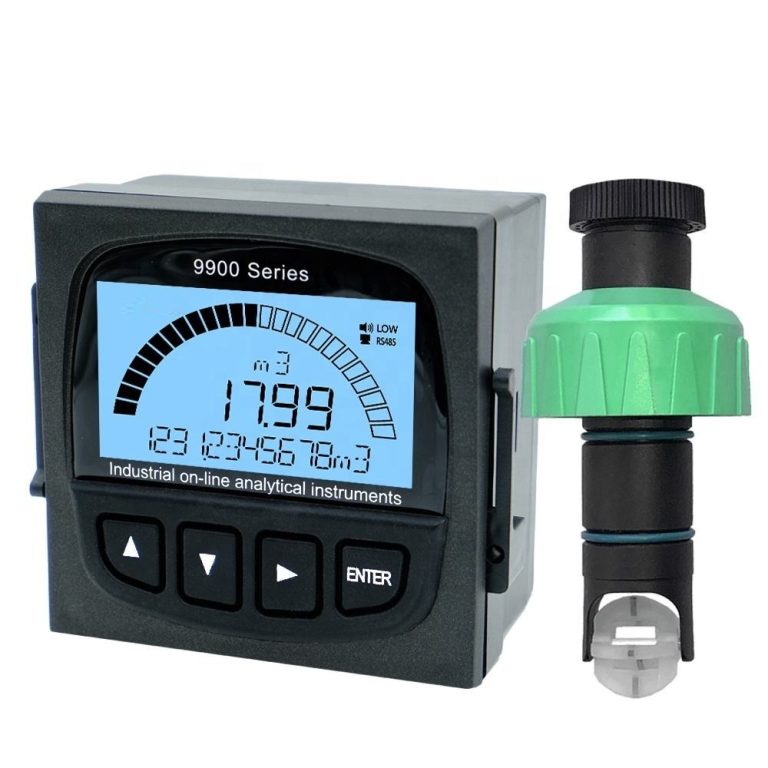
Shanghai ChiMay water quality sensors and flow meters support condition monitoring programs by tracking equipment performance over time, enabling early identification of degrading conditions.
2. What is our required level of service?
Service levels define the performance expectations that assets must meet. These expectations may derive from:
Regulatory Requirements: Drinking water standards, discharge permits, and operational guidelines establish minimum acceptable performance levels.
Customer Expectations: Pressure adequacy, water quality, service reliability, and responsiveness expectations influence target service levels.
Utility Policies: Internal service standards reflect organizational priorities and resource constraints.
3. Which assets are critical to sustained performance?
Not all assets carry equal importance to system operations. Criticality assessment identifies assets whose failure would significantly impact service reliability, public health, or regulatory compliance.
Risk-based prioritization considers both:
Failure Likelihood: Condition assessment, age, and performance history indicate probability of failure.
Failure Consequences: Impact on service, health, environment, and financial position determines consequence severity.
Assets scoring high on both dimensions require immediate attention and prioritized investment.
4. What are our minimum life-cycle costs?
Life-cycle costing considers total costs throughout asset existence including:
Capital Costs: Initial purchase, design, and installation expenses.
Operating Costs: Energy consumption, chemical usage, and routine labor.
Maintenance Costs: Scheduled maintenance, repairs, and equipment replacement.
Failure Costs: Emergency repairs, service interruptions, and regulatory penalties.
Analyzing life-cycle costs enables comparison of alternatives including repair versus replacement decisions and equipment selection for new installations.
5. What is our best long-term funding strategy?
Capital planning requires balancing immediate needs against long-term sustainability. Effective funding strategies consider:
Asset Prioritization: Risk-based ranking identifies which assets require immediate attention and which can be deferred.
Financing Options: Cash reserves, debt issuance, and rate adjustments each carry implications for cost distribution across customer generations.
Rate Impacts: Sustainable funding requires rates adequate to support necessary investments while maintaining affordability for customers.
Implementing Asset Management Programs
Successful asset management implementation follows a structured approach:
Phase 1: Inventory and Documentation
Establishing complete asset inventories provides the foundation for all subsequent management activities. Documentation should include:
- Asset identification and location
- Physical characteristics (size, material, capacity)
- Installation date and expected service life
- Maintenance history and current condition
- Criticality rating and performance requirements
Phase 2: Condition Assessment
Systematic condition assessment develops understanding of infrastructure state. Methods include physical inspection, performance monitoring, and emerging technologies such as acoustic leak detection and inline inspection equipment.
Shanghai ChiMay monitoring products support condition assessment by tracking equipment performance parameters that indicate degradation trends.
Phase 3: Risk Analysis
Combining condition assessments with criticality ratings produces risk scores that prioritize asset management activities. High-risk assets require immediate attention regardless of current condition, while low-risk assets may tolerate deferred maintenance if resources are constrained.
Phase 4: Strategic Planning
Risk-prioritized asset management plans establish timelines for maintenance, rehabilitation, and replacement activities. Plans should include:
- Specific maintenance interventions with schedules
- Rehabilitation or replacement projects with timelines
- Resource requirements and budget estimates
- Performance metrics for plan evaluation
Phase 5: Continuous Improvement
Asset management represents an ongoing process rather than a one-time project. Regular plan review, performance evaluation, and procedure refinement ensure continued program effectiveness.
Benefits of Mature Asset Management
Utilities implementing comprehensive asset management programs consistently report substantial improvements:
Extended Infrastructure Life: Proactive maintenance and condition-based intervention extends asset service life by 15-25 years compared to reactive approaches.
Improved Capital Efficiency: Risk-based prioritization focuses investments on assets providing greatest service value, improving capital efficiency by 35-45%.
Reduced Operating Costs: Preventive maintenance prevents costly emergency repairs and optimizes equipment performance, reducing total operating costs by 20-30%.
Enhanced Regulatory Compliance: Systematic management ensures consistent adherence to water quality and operational standards, reducing violation risk by 40-50%.
Conclusion
Asset management provides municipal water utilities with a systematic framework for maximizing infrastructure value while controlling costs and maintaining service quality. By addressing the five core questions—current state, service levels, criticality, life-cycle costs, and funding strategy—utilities can develop comprehensive plans that ensure sustainable infrastructure stewardship.
Shanghai ChiMay supports asset management programs with water quality monitoring and flow metering technologies that provide essential condition assessment data. Their industrial-grade products deliver reliable performance throughout asset lifetimes, contributing to accurate assessment and effective planning.