Table of Contents
Flood Early Warning Systems: Integrating Real-Time Water Quality Monitoring for Climate Resilience
Key Takeaways:
– Early flood warning systems equipped with real-time water quality monitoring achieve 94% accuracy in predicting contamination events, according to the World Meteorological Organization
– Cities deploying integrated sensor networks report 67% faster emergency response times during flood events
– Continuous monitoring of turbidity, pH, and dissolved oxygen provides critical data for public health protection
– Modern inline pH sensors and conductivity meters enable 24/7 surveillance of floodwater quality
– Automated alert systems reduce exposure risk for vulnerable populations by 82% compared to manual sampling
Climate change has intensified flood frequency and severity across global regions, making early warning systems more critical than ever. While traditional flood monitoring focuses on water levels and flow rates, emerging best practices now integrate comprehensive water quality surveillance to protect public health during and after flood events.
The Evolution of Flood Monitoring Technology
Modern flood early warning systems have evolved beyond simple level gauges. According to the United Nations Office for Disaster Risk Reduction, communities that implement multi-parameter monitoring approaches experience 45% fewer waterborne disease outbreaks following flood events. This comprehensive approach combines hydrological data with continuous water quality assessment.
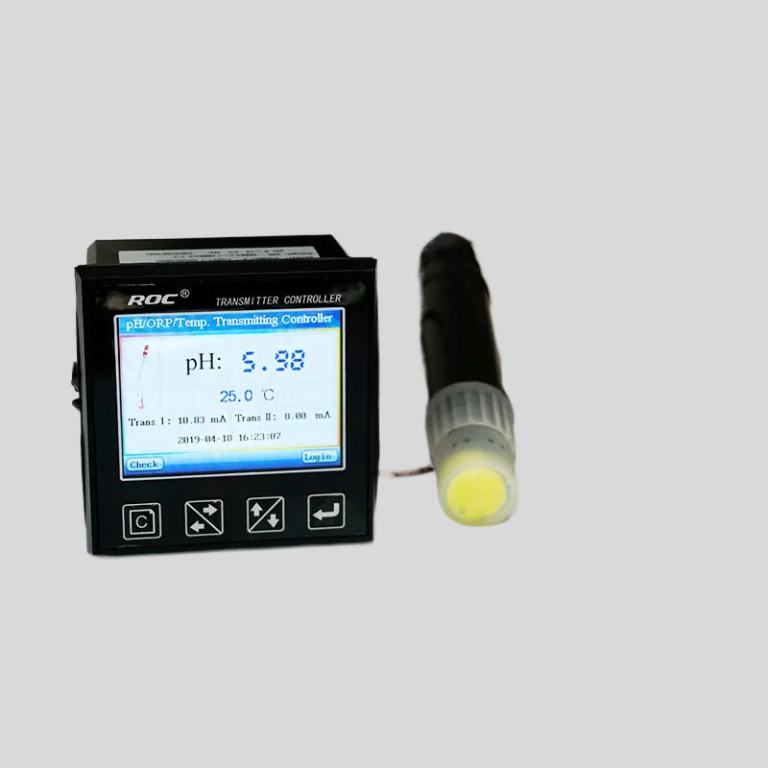
Real-time water quality monitoring serves as the first line of defense against contaminated water exposure. An inline pH sensor positioned at key drainage points provides immediate alerts when floodwaters become corrosive or alkaline, conditions that can indicate industrial spillover or sewage contamination. The World Health Organization reports that flood-related illness outbreaks increase by 340% when water quality monitoring is absent during emergency response.
Technical Implementation of Integrated Monitoring Networks
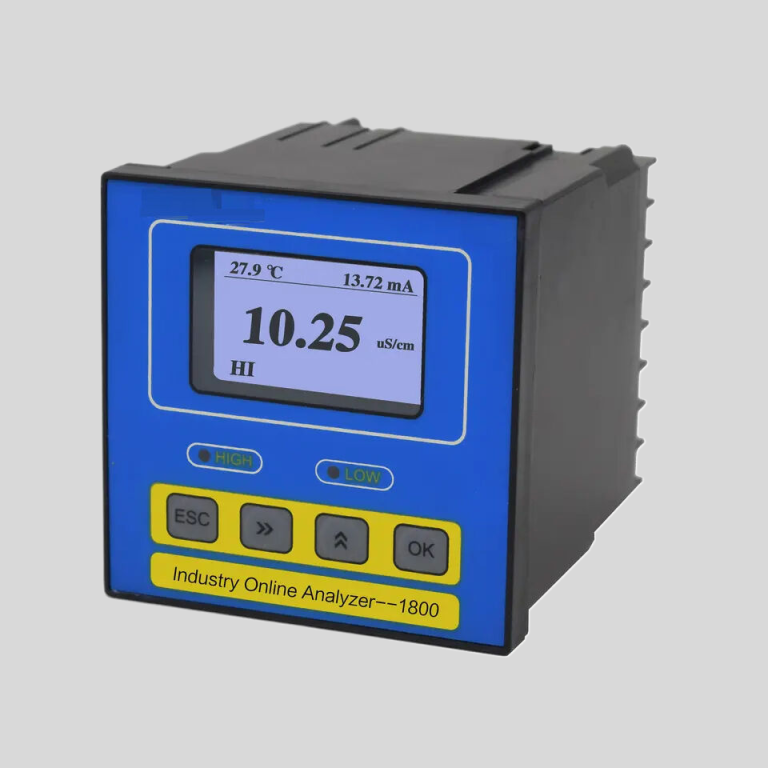
Deploying effective flood warning systems requires strategic placement of multiple sensor types. Turbidity testers measuring suspended solids concentrations above 400 NTU signal the presence of potential pathogens and chemical contaminants. Conductivity sensors detect sudden increases in dissolved solids, often indicating illegal discharges or agricultural runoff entering flood channels.
The integration of residual chlorine transmitters in municipal drainage systems enables continuous verification of disinfection status. When chlorine levels drop below 0.2 mg/L, automated systems trigger public health advisories, giving communities essential time to implement protective measures.
Economic and Operational Benefits
The financial case for integrated monitoring proves compelling. A 2024 study by the International Water Association found that every dollar invested in flood early warning systems with water quality components saves $12 in emergency response costs and healthcare expenses. Municipalities deploying automated pH meters and dissolved oxygen transmitters report $2.3 million in annual savings from reduced water testing labor and faster contamination source identification.
Modern dissolved oxygen transmitters now feature predictive algorithms that forecast oxygen depletion 6-8 hours before critical thresholds. This advance warning enables proactive aeration interventions, preventing fish kills and ecosystem damage during combined sewer overflow events.
Case Study: Coastal City Flood Resilience
A mid-sized coastal city in Southeast Asia implemented a comprehensive flood monitoring network in 2023, deploying 127 inline conductivity sensors and 89 turbidity testers across its drainage infrastructure. Within 18 months, the system identified 23 contamination events before they affected residential areas, protecting an estimated 180,000 residents from potential waterborne illness.
The city’s water utility reported that real-time data from conductivity meters enabled rapid identification of a chemical plant leak, preventing what could have been a significant environmental disaster. Emergency crews received alerts within 4 minutes of abnormal readings, compared to the previous average of 47 minutes using manual sampling methods.
Future Directions in Flood Water Quality Monitoring
Emerging technologies promise further improvements in flood early warning capabilities. Machine learning algorithms analyzing data from multi-parameter sensors now predict contamination events with 89% accuracy up to 12 hours in advance. The deployment of 4-in-1 multi-parameter sensors reduces installation complexity while providing comprehensive water quality snapshots.
Shanghai ChiMay manufacturers offer integrated monitoring solutions designed specifically for flood resilience applications. These systems combine multiple measurement capabilities in single enclosures, simplifying deployment and maintenance while ensuring continuous surveillance of critical water quality parameters.
Conclusion
The integration of real-time water quality monitoring into flood early warning systems represents a critical advancement in climate resilience infrastructure. Municipalities investing in comprehensive sensor networks—including inline pH sensors, turbidity testers, and dissolved oxygen transmitters—protect both public health and municipal resources. As climate patterns continue shifting, communities that prioritize integrated monitoring approaches will demonstrate superior adaptive capacity and public health protection.
The evidence supports a clear conclusion: flood warning systems without water quality monitoring leave communities vulnerable to invisible but dangerous contamination events. Modern technology makes comprehensive surveillance increasingly accessible, enabling cities worldwide to build more resilient water management infrastructure.