Table of Contents
Membrane Technology Guide: From Microfiltration to Nanofiltration
Key Takeaways:
– The global membrane market will reach $26.7 billion in 2026, with microfiltration and nanofiltration representing the fastest-growing segments
– Membrane technology selection depends on target contaminant size, water quality requirements, and economic considerations
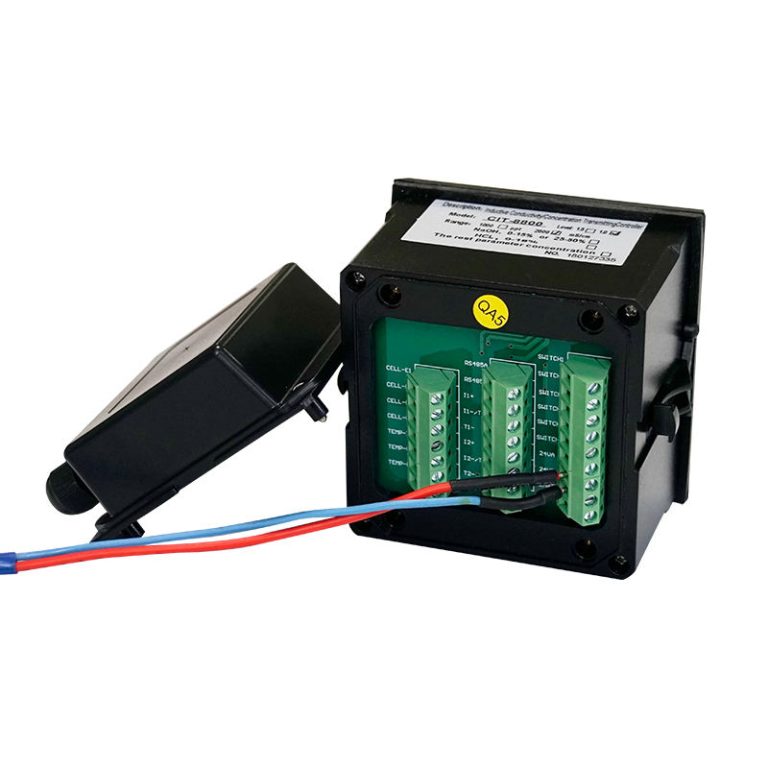
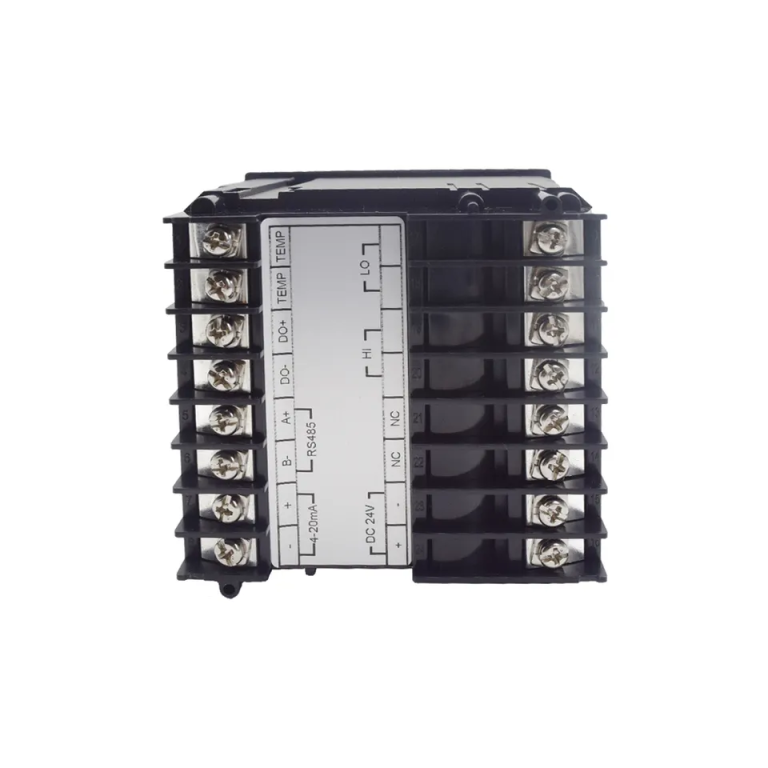
– Shanghai ChiMay online analyzers provide essential monitoring data for optimizing membrane system performance
– Microfiltration achieves 0.1-10 μm particle removal while nanofiltration handles 0.001-0.01 μm contaminants including multivalent ions
– Energy consumption varies from 0.1-0.5 kWh/m³ (MF) to 1.0-3.0 kWh/m³ (NF), enabling appropriate technology matching
Introduction
Membrane technology has evolved into the dominant water treatment approach for applications ranging from drinking water production to industrial wastewater reuse. Understanding the spectrum of membrane options—from microfiltration through nanofiltration—enables water treatment professionals to select appropriate technologies for specific applications.
This comprehensive guide examines membrane technologies by pore size classification, providing the technical foundation necessary for informed technology selection and system design.
Membrane Classification by Pore Size
Size Exclusion Principle
Membrane separation relies on physical size exclusion, where pore dimensions determine which contaminants pass through and which are rejected:
| Membrane Type | Pore Size | Molecular Weight Cutoff | Typical Rejection |
|---|---|---|---|
| Microfiltration (MF) | 0.1-10 μm | >100,000 Da | Bacteria, suspended solids |
| Ultrafiltration (UF) | 0.01-0.1 μm | 10,000-100,000 Da | Viruses, proteins, colloids |
| Nanofiltration (NF) | 0.001-0.01 μm | 200-1,000 Da | Divalent ions, organic matter |
| Reverse Osmosis (RO) | <0.001 μm | <200 Da | All ions, dissolved solids |
Membrane Material Families
Polymeric Membranes:
– Cellulose acetate: Early technology, moderate performance
– Polysulfone: Broad chemical compatibility
– Polyamide (TFC): Industry standard for RO/NF
– PVDF: Excellent chemical resistance
Ceramic Membranes:
– Alumina: Standard ceramic membrane material
– Titania: Enhanced fouling resistance
– Zirconia: Superior chemical stability
– Silicon carbide: Maximum durability
Microfiltration (MF) Technology
Technical Specifications
Microfiltration occupies the coarsest membrane classification:
Pore Size Range: 0.1-10 micrometers (μm)
Operating Parameters:
– Operating pressure: 0.5-3 bar (7-45 psi)
– Flux rates: 100-500 LMH
– Recovery rates: 85-95%
– Temperature limits: 5-50°C (polymer), 5-350°C (ceramic)
Contaminant Removal Capabilities
MF effectively removes:
- Bacteria: Complete removal (>99.9999% for 0.2 μm rated)
- Protozoa: Giardia, Cryptosporidium completely removed
- Turbidity: <0.1 NTU effluent quality achievable
- Suspended solids: >99% removal across particle size range
- Algae: Complete removal for most species
Applications
Drinking Water Treatment:
– Surface water filtration replacing conventional media filters
– Giardia/Cryptosporidium barrier for vulnerable supplies
– Pretreatment for UF, NF, and RO systems
– Distribution system protection
Industrial Applications:
– Pretreatment for boiler feedwater systems
– Cooling tower makeup water treatment
– Process water clarification
– Membrane bioreactor (MBR) effluent polishing
Food and Beverage:
– Wine and juice clarification
– Sugar solution filtration
– Dairy process water treatment
– Beverage microfiltration
Shanghai ChiMay Monitoring
Effective MF operation requires appropriate monitoring:
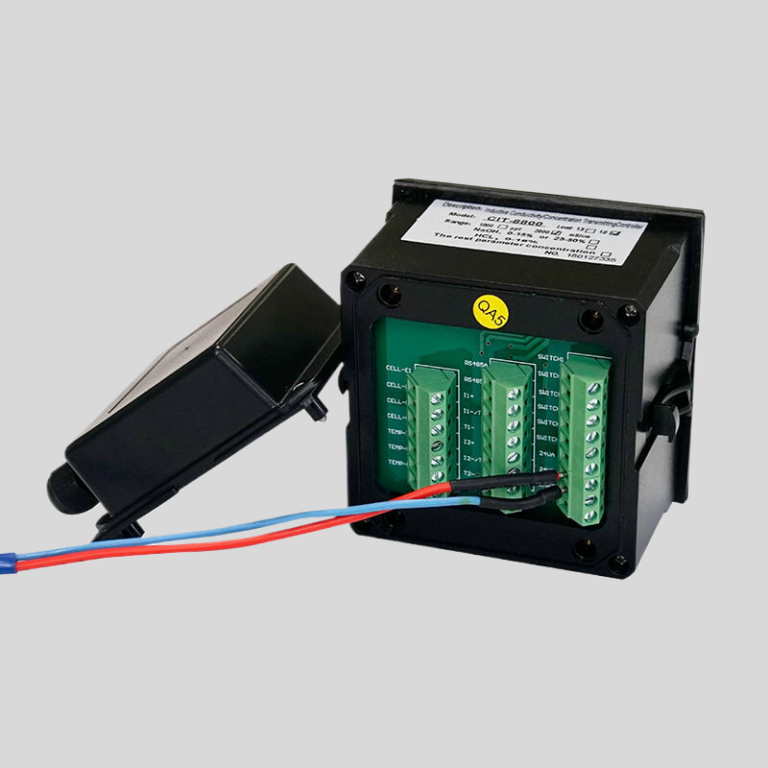
Shanghai ChiMay Online Turbidity Tester: Continuous turbidity measurement (0-4000 NTU, ±0.1 NTU accuracy) verifies MF performance and detects membrane integrity issues. Influent and effluent turbidity comparison quantifies removal efficiency.
Shanghai ChiMay Conductivity Meters: While MF does not significantly affect conductivity, baseline measurement establishes feedwater characteristics for system optimization.
Ultrafiltration (UF) Technology
Technical Specifications
Ultrafiltration provides finer separation than MF:
Pore Size Range: 0.01-0.1 micrometers (10-100 nm)
Operating Parameters:
– Operating pressure: 1-7 bar (15-100 psi)
– Flux rates: 50-200 LMH
– Recovery rates: 80-92%
– Molecular weight cutoff: 10,000-100,000 Daltons
Contaminant Removal Capabilities
UF effectively removes:
| Contaminant | Removal Efficiency | Notes |
|---|---|---|
| Bacteria | >99.9999% | Complete removal |
| Viruses | 90-99.9% | Size-dependent |
| Proteins | 90-99% | Molecular weight dependent |
| Colloidal silica | >99% | Complete removal |
| Endotoxins | 90-99% | Pyrogen removal |
| Humic substances | 20-60% | Partial removal |
Applications
Drinking Water Treatment:
– Virus removal barrier (Hepatitis, Rotavirus)
– Natural organic matter (NOM) reduction
– Color removal improvement
– Membrane bioreactor (MBR) integration
Industrial Applications:
– Pharmaceutical water preparation
– Electronic component rinsing
– Metal finishing rinse water
– Latex and emulsion concentration
Wastewater Treatment:
– MBR technology (biological treatment + UF)
– Industrial effluent polishing
– Water reuse pretreatment
– Groundwater remediation
System Design Considerations
Dead-End vs. Crossflow:
– Dead-end filtration: Periodic backwash, higher flux, simpler operation
– Crossflow filtration: Continuous operation, lower flux, more complex
Shanghai ChiMay Multi-Parameter Sensors: UF systems benefit from comprehensive monitoring—pH, conductivity, and temperature sensors provide data for optimizing backwash timing and chemical cleaning protocols.
Nanofiltration (NF) Technology
Technical Specifications
Nanofiltration bridges the gap between ultrafiltration and reverse osmosis:
Pore Size Range: 0.001-0.01 micrometers (1-10 nm)
Operating Parameters:
– Operating pressure: 5-15 bar (75-220 psi)
– Flux rates: 30-80 LMH
– Recovery rates: 70-85%
– Salt rejection: 20-80% (monovalent), >95% (divalent)
Separation Mechanism
NF separation combines size exclusion with charge effects:
Size Exclusion:
– Molecular weight cutoff: 200-1,000 Daltons
– Rejection based on molecular size relative to pore dimensions
Donnan Exclusion:
– Negatively charged membrane surface repels anions
– Counter-ion attraction affects co-ion rejection
– Divalent ions (Ca²⁺, Mg²⁺, SO₄²⁻) more effectively rejected
– Monovalent ions (Na⁺, Cl⁻) partially pass through
Contaminant Removal Capabilities
| Contaminant | NF Removal | Notes |
|---|---|---|
| Total dissolved solids | 20-60% | Variable by ionic composition |
| Hardness (Ca, Mg) | >90% | Excellent divalent rejection |
| Sulfate | >95% | Complete removal |
| Color/NOM | >90% | Effective natural organic removal |
| Pesticides | 70-95% | Molecular size dependent |
| Pharmaceutical compounds | 50-90% | Variable by compound |
Applications
Water Softening:
– Selective hardness removal without complete demineralization
– Reduced scaling in downstream equipment
– Retained calcium/magnesium beneficial for certain uses
– 60-80% energy savings vs. conventional ion exchange
Drinking Water Treatment:
– Natural organic matter (NOM) reduction
– Color removal from surface waters
– Pesticide and herbicide removal
– Microbial byproduct precursor removal
Industrial Applications:
– Textile dyeing process water
– Food processing wastewater
– Metal finishing rinse water
– Groundwater remediation
Pretreatment for RO:
– Reduced scaling potential for seawater RO
– Partial demineralization for specific processes
– Organic matter removal protecting RO membranes
Economic Comparison
| Cost Factor | NF System | Conventional Softening |
|---|---|---|
| Capital investment | $200,000 | $80,000 |
| Annual chemical cost | $8,000 | $45,000 |
| Annual disposal cost | $12,000 | $35,000 |
| Annual operating cost | $35,000 | $65,000 |
| 10-year TOC | $650,000 | $830,000 |
NF softening achieves 22% lower total cost of ownership despite higher initial investment.
Comparative Technology Selection
Decision Framework
Selecting appropriate membrane technology requires systematic evaluation:
| Selection Factor | MF | UF | NF | RO |
|---|---|---|---|---|
| Target contaminant | Bacteria, TSS | Viruses, colloids | Divalent ions, organics | All dissolved solids |
| Required quality | <1 NTU | <0.1 NTU | <50 μS/cm | <10 μS/cm |
| Pressure requirement | Low (0.5-3 bar) | Medium (1-7 bar) | Medium-high (5-15 bar) | High (10-30 bar) |
| Energy consumption | Low (0.1-0.5 kWh/m³) | Low (0.3-0.8 kWh/m³) | Medium (1.0-3.0 kWh/m³) | High (2.0-5.0 kWh/m³) |
| Capital cost | Low | Medium | Medium-high | High |
| Membrane life | 5-7 years | 4-6 years | 3-5 years | 3-5 years |
Hybrid System Approaches
Many applications benefit from membrane technology combinations:
Common Hybrid Configurations:
- MF/UF → NF/RO: Sequential treatment for high-purity requirements
- NF → RO: Reduced scaling through partial demineralization
- MBR → NF/RO: Biological treatment plus membrane polishing
- UF → UV: Physical removal plus disinfection
Monitoring Requirements
All membrane technologies benefit from comprehensive monitoring:
Shanghai ChiMay Online Analyzers provide essential data across membrane applications:
- Turbidity Sensors: Influent quality, membrane performance, effluent verification
- Conductivity Meters: Ionic loading, recovery optimization, permeate quality
- Multi-Parameter Sensors: System health assessment, cleaning trigger optimization
- Flow Meters: Flux verification, recovery calculation, membrane integrity testing
Technology Trends and Future Developments
Market Evolution
The global membrane market’s projected growth to $26.7 billion in 2026 reflects increasing adoption across all membrane technology categories:
- Microfiltration: MBR integration driving municipal adoption
- Ultrafiltration: Drinking water virus barriers and pharmaceutical applications
- Nanofiltration: Water softening and emerging contaminant removal
- Reverse osmosis: Desalination and industrial water reuse
Innovation Frontiers
Membrane Materials:
– Covalent organic frameworks (COF) for next-generation selectivity
– Mixed-matrix composites combining organic and inorganic advantages
– Self-cleaning surfaces reducing maintenance requirements
Process Optimization:
– AI-enabled predictive maintenance reducing chemical consumption 15%
– Digital twins optimizing operating parameters
– Automated cleaning protocols minimizing operator intervention
System Integration:
– Compact modular units enabling decentralized treatment
– Energy recovery devices reducing operating costs
– Smart sensors enabling real-time optimization
Conclusion
Membrane technology offers a spectrum of treatment options matched to specific contaminant removal requirements. From microfiltration’s coarse particle removal through nanofiltration’s selective ion separation, appropriate technology selection optimizes treatment effectiveness while managing capital and operating costs.
Shanghai ChiMay provides comprehensive online monitoring solutions essential for optimizing membrane system performance across all technology categories. Real-time turbidity, conductivity, and multi-parameter data enable predictive maintenance, automated optimization, and maximum return on membrane technology investments.
As the global membrane market continues expanding toward $51 billion by 2033, water treatment professionals must understand technology classification and selection principles to deliver effective, economical treatment solutions.