Key Takeaways:
- PFAS contamination affects 2,854 documented sites across 50 U.S. states
- EPA's new Maximum Contaminant Level (MCL) sets 4 ppt for PFOA and 4 ppt for PFOS**
- Detection costs using traditional lab methods average $500-1,500 per sample
The Environmental Protection Agency's designation of Per- and Polyfluoroalkyl Substances (PFAS) as "forever chemicals" reflects their extraordinary environmental persistence and potential health impacts. These synthetic compounds—comprising over 12,000 individual chemical structures—resist degradation through natural processes, leading to accumulation in groundwater, soil, and biological organisms.
The regulatory landscape has shifted dramatically. In April 2024, the EPA finalized the National Primary Drinking Water Regulation (NPDWR), establishing the first-ever federal enforceable limits: 4 parts per trillion (ppt) for perfluorooctanoic acid (PFOA) and perfluorooctane sulfonic acid (PFOS). This represents an exponential reduction from previous health advisory levels of 70 ppt, requiring detection capabilities improvement of nearly 20-fold.
Table of Contents
Understanding PFAS Sources and Pathways
Industrial sources contribute significantly to PFAS contamination. According to the United States Geological Survey (USGS), approximately 2,854 sites have documented PFAS contamination, with concentrations ranging from <1 ppt to over 1 million ppt in severely affected areas.
Key industrial sources include:
- Aqueous Film-Forming Foam (AFFF) used in firefighting operations at military bases and airports
- Electroplating facilities where PFAS compounds serve as processing aids
- Semiconductor manufacturing using PFAS in photolithography and etching processes
- Textile treatment plants applying PFAS for water and stain resistance
Once released, PFAS enters environmental systems through multiple pathways. Volatilization from aqueous solutions can transport compounds into the atmosphere, where photochemical degradation produces still-persistent breakdown products. Leachate from landfills contaminated with PFAS-containing products creates ongoing source loading to groundwater systems.
Detection Technologies: From Laboratory to Online Monitoring
Traditional PFAS analysis relies on Liquid Chromatography-Tandem Mass Spectrometry (LC-MS/MS), providing definitive compound identification and quantification. However, this approach requires:
- Sample collection, preservation, and transportation
- Laboratory equipment costing $300,000-$500,000
- Analytical turnaround time of 7-14 days
- Per-sample costs of $500-$1,500
These limitations make traditional methods unsuitable for process monitoring or rapid response applications. Electrochemical sensor technology has emerged as a promising alternative for continuous monitoring applications.
Amperometric sensors using antibody-based recognition elements can detect PFAS compounds at ppt levels. Current commercial systems achieve detection limits of 1-10 ppt for common compounds like PFOA and PFOS, meeting regulatory requirements for screening applications.
Molecularly Imprinted Polymer (MIP) sensors offer another approach, using synthetic recognition sites that selectively bind PFAS compounds. These sensors demonstrate cross-reactivity profiles suitable for total PFAS screening, though they cannot distinguish individual compounds.
The Semiconductor Industry Context
Semiconductor fabrication represents a particularly challenging PFAS source and application environment. The industry uses PFAS compounds extensively in:
- Photoresist formulations for lithography processes
- Etchant chemistry for pattern transfer
- Wafer cleaning operations
- Chemical Mechanical Planarization (CMP) slurries
These applications generate process wastewater containing PFAS concentrations ranging from <1 μg/L to >10 mg/L depending on process stage. Discharge to publicly owned treatment works (POTWs) requires careful management due to biosolids accumulation concerns.
Online turbidity testers and COD sensors help monitor PFAS removal efficiency in treatment systems. Turbidity correlation with PFAS concentration has demonstrated R² values of 0.73-0.89 in some wastewater streams, providing a cost-effective process monitoring parameter.
The semiconductor ultrapure water (UPW) specification for PFAS contamination has tightened dramatically. Leading fabs now require <1 ppt total organic fluorine in process water, driving demand for high-sensitivity online analyzers capable of detecting trace contamination events.
Regulatory Compliance Challenges
Compliance with the new EPA MCL requires monitoring programs that many water utilities lack infrastructure to support. Key challenges include:
Analytical Capability Gaps: Only approximately 200 laboratories nationwide can perform EPA Method 533 or 537.1 analyses at required detection levels. This capacity limitation creates sample backlogs and delays compliance verification.
Sample Collection Complexity: PFAS sampling requires PFAS-free sampling equipment, specific container types, field blanks, and field duplicates. Sample preservation requirements (refrigeration to 4°C, analysis within 14 days) constrain sampling logistics.
Source Identification: Monitoring at individual taps identifies contamination presence but not source. Distribution system investigation using salinity digital sensors and tracer studies helps distinguish contamination sources.
Online Monitoring Integration Strategies
Forward-thinking utilities are integrating continuous PFAS monitoring at strategic locations:
- Source Water Intakes: Early warning of contamination events
- Treatment Plant Influent/Effluent: Process control and optimization
- Distribution System: Network monitoring and source tracking
- Industrial Discharge Points: Pretreatment compliance verification
Multi-parameter sensor platforms combining PFAS detection with conventional parameters (pH, conductivity, turbidity, dissolved oxygen) provide correlated data supporting source identification and treatment optimization.
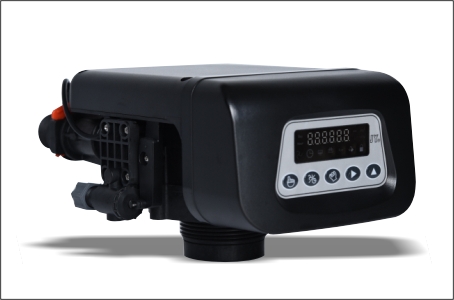
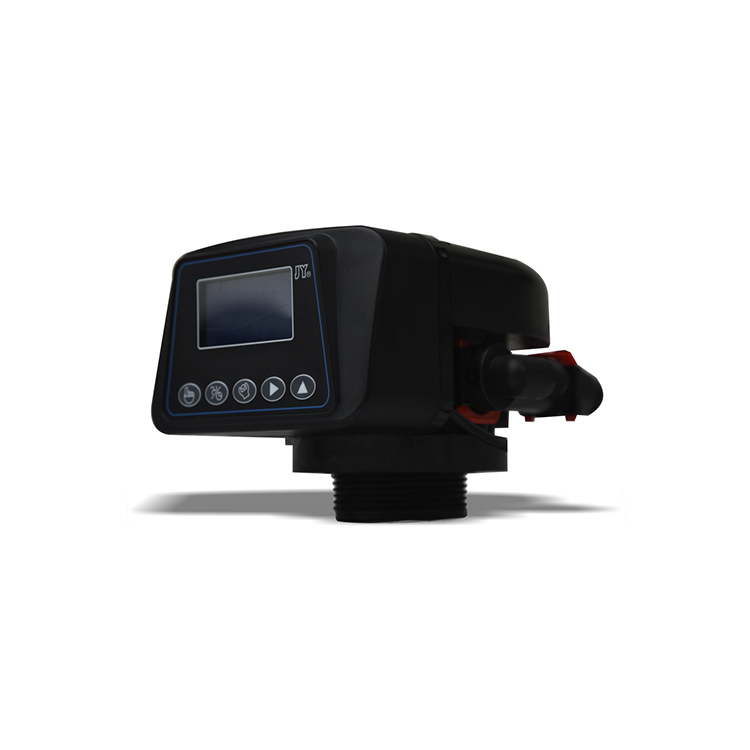
Softener valves in water treatment systems may require modification to address PFAS removal. Anion exchange resins demonstrate high PFAS removal efficiency (>95% for PFOS and PFOA), though regeneration cycles require careful management to prevent breakthrough.
Technology Comparison
| Technology | Detection Limit | Selectivity | Continuous Monitoring | Cost |
|---|---|---|---|---|
| LC-MS/MS | <1 ppt | Compound-specific | No | $500-1,500/sample |
| ELISA | 10-100 ppt | Compound class | No | $50-200/sample |
| Amperometric | 1-10 ppt | Limited cross-reactivity | Yes | $15,000-30,000 |
| MIP Sensor | 10-100 ppt | Broad PFAS detection | Yes | $10,000-20,000 |
Future Outlook
The PFAS regulatory landscape will continue evolving. Proposed expansions include additional compounds beyond PFOA and PFOS—specifically perfluorononanoic acid (PFNA), hexafluoropropylene oxide dimer acid (HFPO-DA, GenX), perfluorohexane sulfonic acid (PFHxS), and perfluorobutane sulfonic acid (PFBS).
This expansion drives demand for multiplexed detection platforms capable of simultaneous measurement of multiple PFAS compounds. Sensor arrays using multiple recognition elements offer promise for this application.
Investment in online monitoring infrastructure will accelerate as compliance deadlines approach. Public water systems must complete initial compliance monitoring by April 2027, creating urgent demand for monitoring solutions that traditional laboratory methods cannot satisfy.
Strategic Implications for Water Treatment Equipment
Water quality analyzer manufacturers are responding to PFAS detection requirements through:
- Development of electrochemical sensors with ppt-level sensitivity
- Integration of PFAS detection modules into multi-parameter platforms
- Enhancement of data connectivity for regulatory reporting
- Creation of automated alert systems for contamination events
The market for PFAS monitoring equipment is projected to reach $850 million by 2030, growing at 14.2% CAGR from a $320 million base in 2024. This growth creates significant opportunities for manufacturers offering integrated solutions combining traditional water quality parameters with emerging PFAS detection capabilities.
For water treatment facilities, investment in comprehensive monitoring systems provides both regulatory compliance assurance and operational optimization benefits. The ability to detect and respond to water quality excursions rapidly protects public health while minimizing treatment system stress and extending equipment service life.