Table of Contents
Troubleshooting Common Issues with Reverse Osmosis Controller Manual
Reverse osmosis systems are a popular choice for water filtration in both residential and commercial settings. These systems rely on a controller to regulate the flow of water and ensure that the filtration process is running smoothly. However, like any piece of equipment, reverse osmosis controllers can encounter issues that may require troubleshooting.
One common issue that users may encounter with their reverse osmosis controller is a lack of water flow. This can be caused by a number of factors, including a clogged filter, a malfunctioning pump, or a problem with the controller itself. To troubleshoot this issue, users should first check the filter to ensure that it is not clogged. If the filter is clean, they should then check the pump to ensure that it is functioning properly. If both the filter and pump are in working order, the issue may lie with the controller. In this case, users should consult the reverse osmosis controller manual for guidance on how to troubleshoot and resolve the issue.
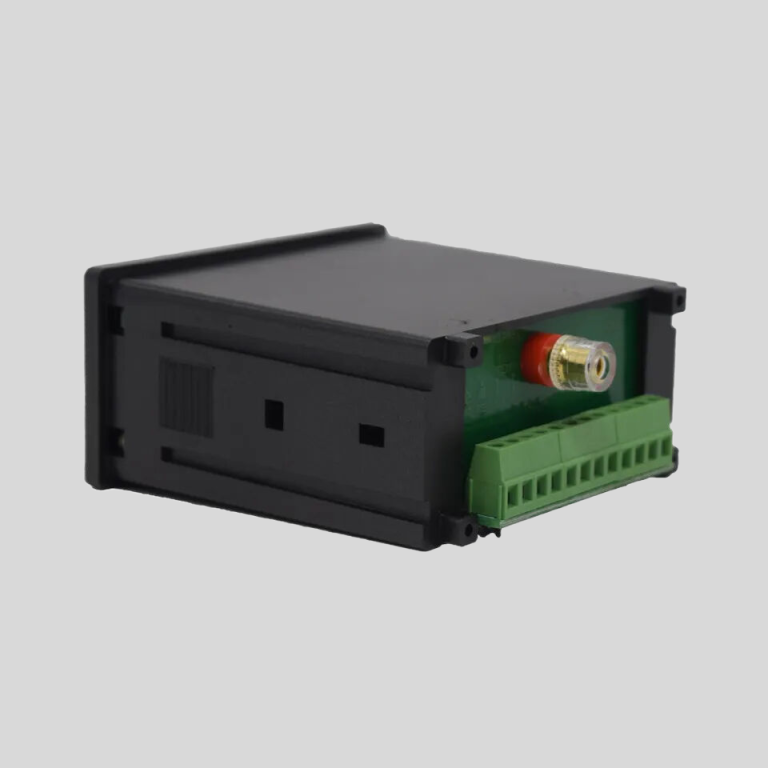
| Model | NTU-1800 Online Turbidity Tester |
| Range | 0-10/100/4000NTU or as required |
| Display | LCD |
| Unit | NTU |
| DPI | 0.01 |
| Accuracy | ±5% FS |
| Repeatability | ±1% |
| Power | ≤3W |
| Power Supply | AC 85V-265V±10% 50/60Hz or |
| DC 9~36V/0.5A | |
| Working Environment | Ambient temperature:0~50℃; |
| Relative humidity≤85% | |
| Dimensions | 160*80*135mm(Hanging) or 96*96mm(Embeded) |
| Communication | 4~20mA and RS-485 communication (Modbus RTU) |
| Switched output | Three-way relay,capacity 250VAC/5A |
Another common issue that users may encounter with their reverse osmosis controller is a leak. Leaks can occur for a variety of reasons, including loose fittings, damaged tubing, or a faulty pressure switch. To troubleshoot a leak, users should first inspect the system for any visible signs of damage or wear. If no obvious issues are found, they should then check the fittings and tubing to ensure that everything is securely in place. If a leak is still present, users should consult the reverse osmosis controller manual for instructions on how to address the issue.
One final common issue that users may encounter with their reverse osmosis controller is a lack of pressure. Low pressure can be caused by a number of factors, including a clogged filter, a malfunctioning pump, or a problem with the pressure switch. To troubleshoot this issue, users should first check the filter to ensure that it is not clogged. If the filter is clean, they should then check the pump to ensure that it is functioning properly. If both the filter and pump are in working order, the issue may lie with the pressure switch. Users should consult the reverse osmosis controller manual for guidance on how to troubleshoot and resolve the issue.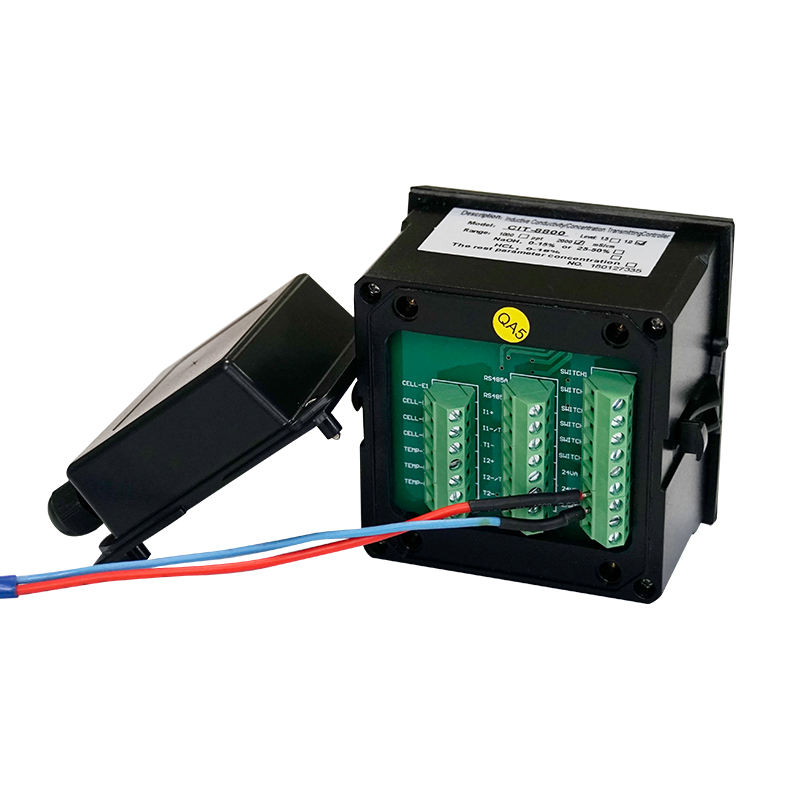
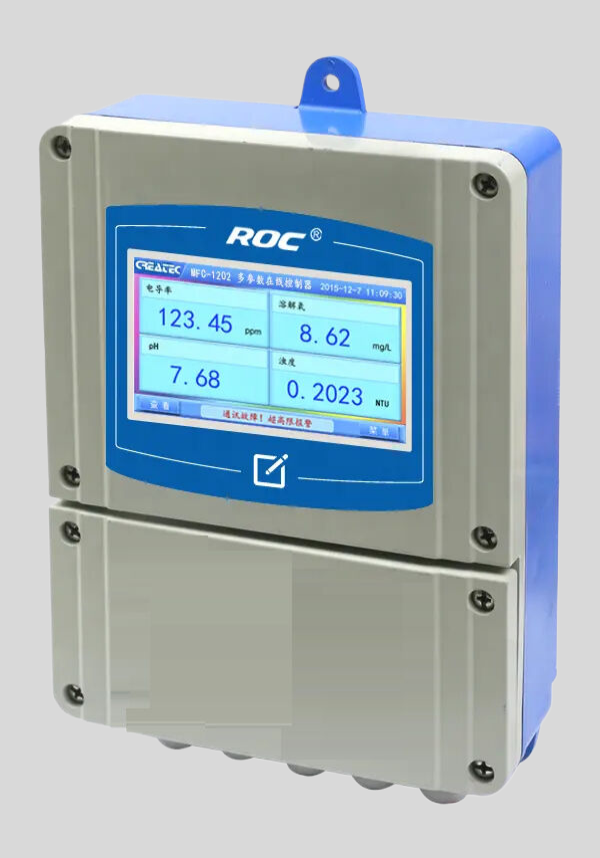
In conclusion, troubleshooting common issues with a reverse osmosis controller manual can be a straightforward process if users follow the proper steps. By checking for clogged filters, loose fittings, and malfunctioning pumps, users can quickly identify and address any issues that may arise with their reverse osmosis system. If problems persist, consulting the reverse osmosis controller manual for further guidance is recommended. By taking the time to troubleshoot and resolve issues with their reverse osmosis controller, users can ensure that their water filtration system continues to operate efficiently and effectively.
How to Properly Maintain and Calibrate Your Reverse Osmosis Controller Manual
Reverse osmosis systems are a popular choice for water purification in both residential and commercial settings. These systems rely on a reverse osmosis controller to regulate the flow of water through the membrane, ensuring that the water is properly filtered and purified. Proper maintenance and calibration of the reverse osmosis controller are essential to ensure that the system functions efficiently and effectively.
| pH/ORP-3500 series pH/ORP Online Meter | |||
| pH | ORP | Temp. | |
| Measurement range | 0.00~14.00 | (-2000~+2000)mV | (0.0~99.9)℃(Temp. Compensation :NTC10K) |
| Resolution | 0.01 | 1mV | 0.1℃ |
| Accuracy | ±0.1 | ±5mV(electronic unit) | ±0.5℃ |
| Buffer Solution | 9.18;6.86;4.01;10.00;7.00;4.00 | ||
| Medium Temp. | (0~50)℃(with 25℃ as standard )manual / automatic temp.compensation for selection | ||
| Analog Output | Isolated one Channel(4~20)mA,Instrument / Transmitter for selection | ||
| Control Output | Double relay output(ON/OFF) | ||
| Consumption | <3W | ||
| Working Environment | Working temp. (0~50)℃;Relative humidity≤85%RH(none condensation) | ||
| Storage Environment | Temp. (-20~60)℃; Relative humidity≤85%RH(none condensation) | ||
| Dimension | 48mm×96mm×80mm (H×W×D) | ||
| Hole Size | 44mm×92mm (H×W) | ||
| Installation | Panel mounted ,fast installation | ||
One of the most important aspects of maintaining a reverse osmosis controller is regular cleaning. Over time, dirt, debris, and mineral deposits can build up on the controller, affecting its performance. To clean the controller, first, turn off the power to the system and disconnect it from the water supply. Use a soft brush or cloth to gently scrub away any buildup on the controller, being careful not to damage any sensitive components. Once the controller is clean, reconnect it to the water supply and power it back on.
In addition to regular cleaning, it is also important to calibrate the reverse osmosis controller periodically. Calibration ensures that the controller is accurately measuring and regulating the flow of water through the system. To calibrate the controller, you will need a calibration kit, which typically includes a calibration solution and instructions for use. Follow the instructions carefully to calibrate the controller properly.
When calibrating the reverse osmosis controller, it is important to pay attention to the readings on the controller display. If the readings are not within the specified range, adjustments may need to be made to the controller settings. Consult the controller manual for guidance on how to make these adjustments. It is important to follow the manufacturer’s instructions carefully to avoid damaging the controller.
In addition to regular cleaning and calibration, it is also important to check the controller for any signs of wear or damage. If you notice any cracks, leaks, or other issues with the controller, it may need to be repaired or replaced. Contact the manufacturer or a qualified technician for assistance with repairing or replacing the controller.
Proper maintenance and calibration of the reverse osmosis controller are essential to ensure that the system functions efficiently and effectively. By following these simple steps, you can help prolong the life of your reverse osmosis system and ensure that your water is properly filtered and purified. Remember to consult the controller manual for specific instructions on how to maintain and calibrate your reverse osmosis controller.