
Похоже, мы не можем найти то, что вы запрашиваете. Возможно, поможет поиск.

Other Related Posts

Why Is Chlorine Residual Monitoring Critical for Drinking Water Safety?

Key Takeaways Chlorine residual monitoring prevents 70-80% of waterborne disease outbreaks in distribution systems The EPA requires minimum residual chlorine levels of 0.2 mg/L at distant points in distribution networks Real-time monitoring enables response to contamination events within 15 minutes, preventing public health impacts ChiMay’s residual chlorine transmitters provide continuous measurement with +-0.03 mg/L accuracy…
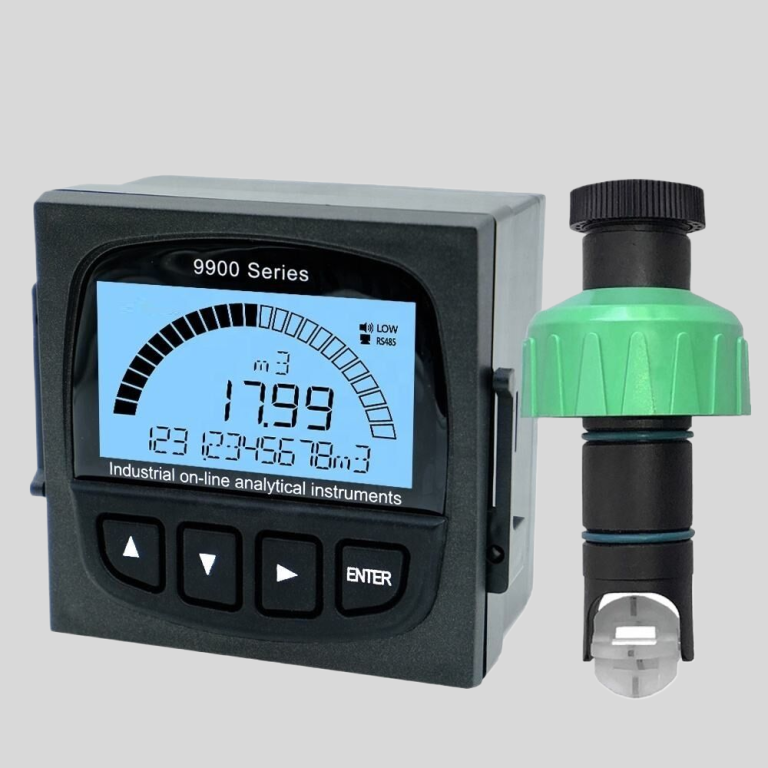
CIP System Optimization Through Conductivity Monitoring: Shanghai ChiMay Insights

title: CIP System Optimization Through Conductivity Monitoring: Shanghai ChiMay Insights date: 2026-06-25 CIP System Optimization Through Conductivity Monitoring: Shanghai ChiMay Insights Key Takeaways: – 78% of cleaning cycle failures stem from inadequate rinse verification, addressable through conductivity monitoring – Online conductivity sensors reduce water consumption in CIP systems by 23% annually – Real-time monitoring enables…

how to calibrate hach turbidity meter

how to calibrate hach turbidity meter

Steps to Calibrate Hach turbidity meter Calibrating a Hach turbidity meter is an essential step in ensuring accurate and reliable measurements of water clarity. Turbidity is a key parameter in water quality monitoring, as it indicates the presence of suspended particles that can affect the overall health of aquatic ecosystems. Proper calibration of the turbidity…

What Facilities Need to Know About ZLD Regulations in 2026

What Facilities Need to Know About ZLD Regulations in 2026 Key Takeaways: – 47 U.S. states now have ZLD requirements or recommendations for industrial facilities in water-stressed areas – The U.S. EPA expanded effluent guidelines to include 78 additional industrial categories requiring advanced treatment – European ZLD standards under the Industrial Emissions Directive have tightened…

смягченная вода повредит растениям

смягченная вода повредит растениям

«Умягченная вода: нежное прикосновение к вашим растениям». Влияние умягченной воды на рост растений Умягченная вода – это обычный бытовой раствор, используемый для снижения содержания минералов в воде. Этот процесс включает удаление ионов кальция и магния, которые отвечают за жесткость воды. Хотя умягченная вода полезна для бытовой техники и водопроводных систем, многие садоводы задаются вопросом, безопасно…

7 Ways Machine Learning is Revolutionizing Water Treatment Cost Reduction

7 Ways Machine Learning is Revolutionizing Water Treatment Cost Reduction Key Takeaways: – Machine learning optimization reduces water treatment energy costs by 15-30% – Predictive maintenance saves facilities $180,000 annually in avoided emergency repairs – AI-driven chemical dosing cuts coagulant usage by 18% on average – Automated monitoring reduces labor costs by 23% across treatment…
