Residual Chlorine Detection in Municipal Water Distribution Systems
EPA requires maintaining ≥0.2 mg/L free chlorine or ≥0.05 mg/L chloramine at all points in distribution systems
Water utilities lose an estimated $890 million annually in treated water due to unnecessary flushing caused by inadequate monitoring
Online residual chlorine monitoring enables 35% reduction in disinfectant consumption while maintaining protection
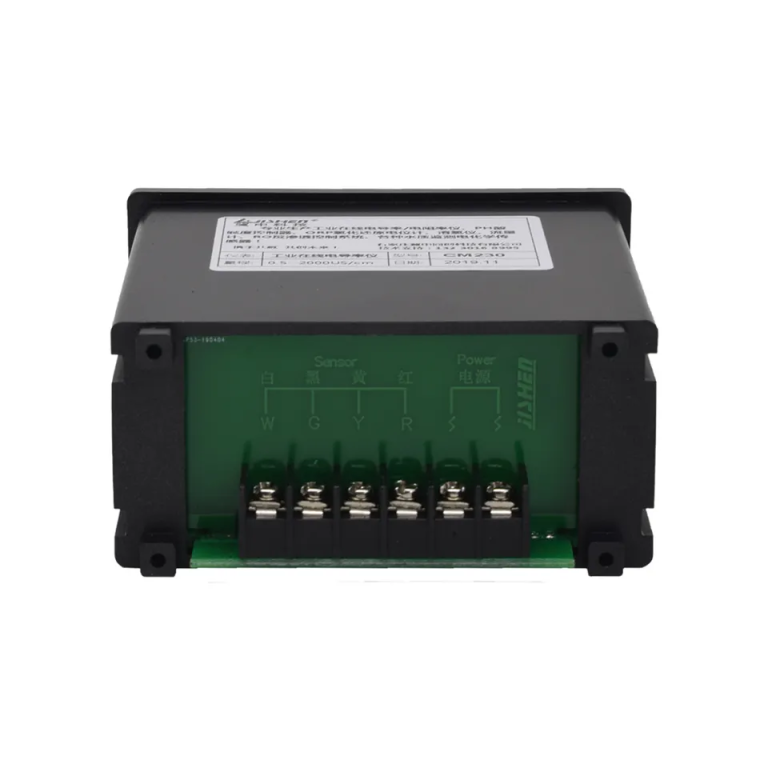
ChiMay's residual chlorine transmitter features amperometric detection with ±0.02 mg/L accuracy
The global water disinfection monitoring market will reach $2.1 billion by 2027
Introduction
Chlorination remains the cornerstone of drinking water disinfection, protecting public health from waterborne pathogens while maintaining protection throughout the distribution system. However, the balance between adequate disinfection and minimizing disinfection byproduct formation requires precise residual chlorine management.
Municipal water utilities face the challenge of maintaining protective chlorine levels throughout extensive distribution networks while minimizing chemical costs and meeting increasingly stringent regulations on chlorination byproducts. Online residual chlorine monitoring provides the real-time data necessary for optimized disinfectant management.
According to the American Water Works Association's 2025 State of Water report, over 286 million Americans receive chlorinated drinking water, with utilities spending approximately $1.2 billion annually on chlorine and chloramine disinfection. Even modest efficiency improvements through better monitoring translate to significant cost savings at scale.
Disinfection Chemistry Fundamentals
Chlorine Species in Water
When chlorine is added to water, several reactions occur depending on pH and dosage:
Hypochlorous acid formation:
Hypochlorite ion formation (pH dependent):
The relative proportions determine disinfection effectiveness since HOCl is approximately 80-100 times more effective as a disinfectant than OCl⁻ at typical water pH values.
Chlorine Dose Requirements
Maintaining adequate residual requires dosing above the chlorine demand:
Chlorine Demand Sources:
Inorganic reducers (Fe²⁺, Mn²⁺, NO₂⁻)
Organic matter (natural organic matter, wastewater contamination)
Pipe materials and biofilm
Ammonia nitrogen
Utilities typically target 0.2-0.5 mg/L free chlorine or 1.0-2.0 mg/L chloramine at the system extremities to ensure protection throughout the distribution network.
Amperometric Detection Technology
Advantages Over Colorimetric Methods
Dr. James Morrison, Water Quality Research Foundation, states: "Amperometric residual chlorine monitoring has become the standard for real-time process control, offering the response time and reliability that utilities need for optimized disinfection control."
Distribution System Monitoring Strategies
Critical Monitoring Locations
Strategic sensor placement maximizes monitoring value:
1. Treatment Plant Effluent:
Primary control point for dosing optimization
Verify initial disinfection effectiveness
Detect treatment process upsets
2. Major Pipeline Intersections:
Track residual decline through distribution network
Identify zones with higher chlorine demand
Detect system anomalies
3. System Extremities:
Ensure protection at farthest points
Verify compliance throughout service area
Trigger flushing or booster chlorination as needed
4. Vulnerable Points:
Low-pressure zones (potential contamination intrusion)
Storage facility effluents
Areas with historical water quality issues
Optimization Through Continuous Monitoring
Dose-to-Demand Control
Traditional chlorination control relies on fixed dosing based on historical demand patterns. Continuous monitoring enables dynamic optimization:
Baseline Approach (Fixed Dose):
Setpoint: Average demand + safety margin
Result: Frequent overdosing, high chemical costs, excess byproducts
Monitor-Based Approach (Feedback Control):
Adjust dose to maintain target residual at downstream sensor
Compensate for temperature, flow, and quality variations
Reduce chemical usage by 20-35% while maintaining protection
Advanced Control Algorithm:
Where the PID controller maintains target residual despite system disturbances.
Regulatory Compliance Framework
EPA Requirements
Under the Surface Water Treatment Rule and Long Term 2 Enhanced Surface Water Treatment Rule:
Disinfection Byproduct Rules:
Stage 1 D/DBP Rule: TTHM < 80 μg/L, HAA5 < 60 μg/L
Stage 2 D/DBP Rule: Locational running average compliance
The balance between maintaining residual and minimizing byproducts requires precise monitoring and control.
Compliance Documentation
Online monitoring systems provide:
Continuous data logging: Time-stamped readings for compliance verification
Alarm logs: Documentation of excursions and responses
Trend analysis: Early identification of emerging issues
Reporting integration: Automated regulatory report generation
Economic Analysis
Investment Returns
Typical Investment:
20 monitoring stations: $120,000 – $200,000
SCADA integration: $40,000 – $80,000
Installation: $60,000 – $100,000
Total Initial Investment: $220,000 – $380,000
Simple Payback: 8-18 months
Maintenance Best Practices
Annual Maintenance Cost: $800 – $2,000 per transmitter including parts and labor.
Conclusion
Residual chlorine monitoring represents one of the highest-value investments for municipal water utilities seeking to optimize disinfection operations while ensuring regulatory compliance. The combination of chemical cost savings, reduced flushing, and avoided violations typically delivers payback within 12-18 months.
ChiMay's residual chlorine transmitter technology provides the accuracy, reliability, and low maintenance operation that water utility applications demand. With amperometric detection and advanced signal processing, these transmitters deliver continuous residual chlorine data for process optimization and compliance documentation.
As water quality regulations continue tightening and operational efficiency becomes increasingly important, utilities that invest in comprehensive residual chlorine monitoring will be better positioned to protect public health while managing costs. The real-time data these systems provide enables the precise control necessary for modern water treatment optimization.