It seems we can’t find what you’re looking for. Perhaps searching can help.
Other Related Posts

conductivity probe level measurement

conductivity probe level measurement

Benefits of Using Conductivity Probe Level Measurement in Industrial Applications Conductivity probe level measurement is a widely used technology in industrial applications for monitoring and controlling liquid levels. This method involves the use of a probe that measures the electrical conductivity of a liquid to determine its level. There are several benefits to using conductivity…
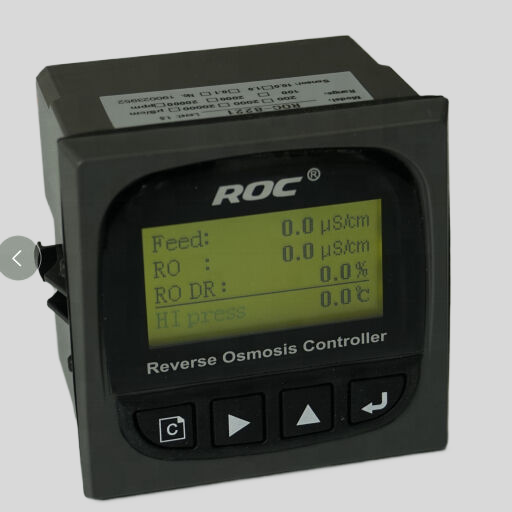
How Online Conductivity Measurement Transforms Reverse Osmosis Performance

Key Takeaways: The global reverse osmosis membrane market exceeded $8.8 billion in 2025, with desalination applications driving 35% of demand Online conductivity monitoring reduces RO system shutdowns by 45-60% through early scaling and fouling detection Conductivity-based TOC estimation enables 30-50% reduction in expensive TOC analyzer requirements RO systems with continuous conductivity monitoring achieve 15-25% longer…

filter pressure regulating valve

filter pressure regulating valve

Understanding the Functionality of Filter Pressure Regulating Valves Filter pressure regulating valves are integral components in various industrial and domestic applications. They play a crucial role in controlling the pressure of fluids in systems such as water supply networks, heating systems, and industrial process control applications. Understanding the functionality of these valves is essential for…

fleck 2510 stuffer tool

fleck 2510 stuffer tool

How to Use the Fleck 2510 Stuffer Tool for Efficient Water Softener Maintenance Water softeners are essential for maintaining the quality of your water supply by removing minerals that can cause buildup and damage to your plumbing fixtures. One key component of a water softener system is the Fleck 2510 stuffer tool, which is used…

Water Quality Sensor Maintenance Guide: Best Practices for Prolonging Sensor Life and Ensuring Accuracy

Key Takeaways Regular maintenance extends water quality sensor life by 2-3 times compared to neglected sensors Preventive maintenance programs reduce 70% of unplanned sensor failures and associated downtime Proper cleaning and calibration techniques maintain measurement accuracy within ±2% of original specifications Water quality sensors represent significant investments in industrial monitoring infrastructure. Proper maintenance protects this…