title: “Understanding Inline Conductivity Sensors for Food Processing: Shanghai ChiMay Solutions”
date: 2026-06-25
type: “技术介绍型”
Table of Contents
Understanding Inline Conductivity Sensors for Food Processing: Shanghai ChiMay Solutions
Key Points:
– Conductivity sensors provide real-time monitoring of ionic content in food processing water
– Inline measurement reduces manual testing labor by 67% compared to laboratory methods
– Shanghai ChiMay sensors deliver measurement accuracy within ±1% of actual values
– Proper conductivity monitoring prevents contamination and ensures product consistency
Food and beverage manufacturing facilities rely on precise water quality monitoring to maintain product safety and consistency. Among the various parameters that require continuous attention, electrical conductivity stands out as one of the most informative indicators of water purity and contamination levels. Inline conductivity sensors have become essential tools for modern food processing operations, providing real-time data that enables immediate process adjustments and quality control decisions.
What Is Conductivity and Why Does It Matter in Food Processing
Electrical conductivity measures a water sample’s ability to conduct electrical current, which directly correlates with the concentration of ionized substances dissolved in the water. In food processing applications, conductivity readings help operators detect the presence of salts, chemicals, organic compounds, and other contaminants that could compromise product quality or food safety. According to the Food Safety and Inspection Service (FSIS) guidelines, water used in food manufacturing must demonstrate conductivity levels consistent with potable water standards, typically ranging from 50 to 1,500 microsiemens per centimeter (μS/cm) depending on the specific application.
The significance of conductivity monitoring extends beyond simple contamination detection. During processes such as blanching, steaming, and cleaning-in-place (CIP) operations, conductivity measurements indicate the concentration of cleaning solutions and rinse water effectiveness. Facilities that implement continuous conductivity monitoring report 23% reduction in water waste compared to batch testing methods, as reported by the International Water Association (IWA) 2025 efficiency study. This translates to significant cost savings and environmental benefits for food processing companies.
How Inline Conductivity Sensors Work
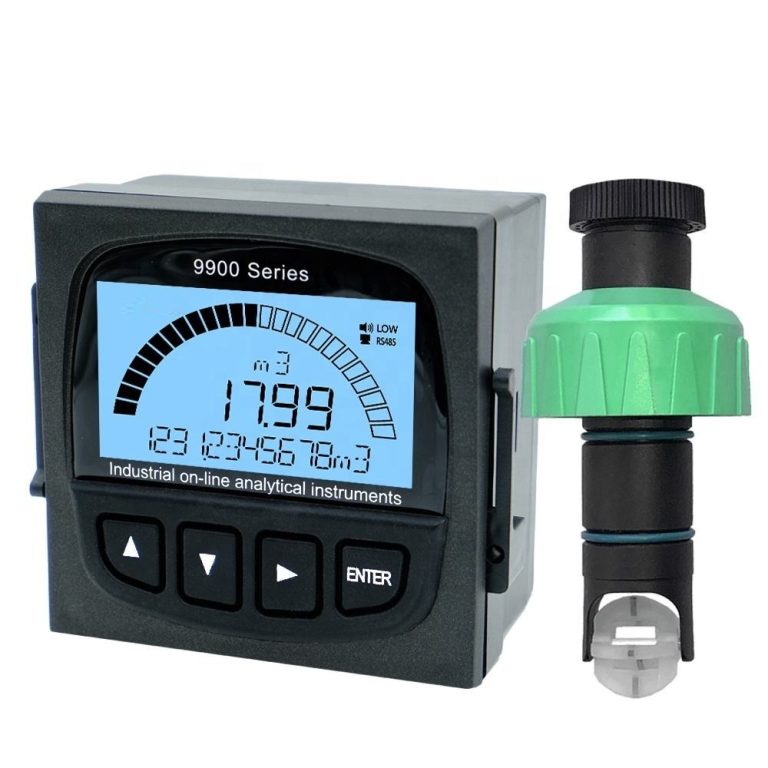
Inline conductivity sensors utilize electrode-based measurement technology to determine the ionic content of water flowing through processing pipelines. The sensor consists of two or more electrodes positioned at a fixed distance apart, with an alternating current applied between them. As water passes the electrodes, ions enable electrical conduction, and the sensor measures the resulting resistance or conductance. Shanghai ChiMay’s inline conductivity sensors incorporate four-electrode designs that eliminate polarization effects and provide stable measurements even in highly conductive solutions typical of food processing environments.
The measurement process begins when processing water contacts the sensor’s electrodes, which are constructed from food-grade stainless steel or titanium to withstand sanitization temperatures up to 135°C (275°F). Modern sensors like those from Shanghai ChiMay feature built-in temperature compensation algorithms that automatically adjust readings based on water temperature variations, ensuring accuracy across different process stages. Temperature compensation is critical because conductivity increases by approximately 2% per degree Celsius, meaning uncompensated readings could vary significantly throughout a facility’s operations.
Digital signal processing capabilities enable inline sensors to filter electrical noise from variable frequency drives, motors, and other equipment commonly found in food processing facilities. This noise rejection ensures reliable communication with programmable logic controllers (PLCs) and distributed control systems, allowing seamless integration into facility automation architectures.
Benefits of Inline Monitoring in Food Processing
Traditional conductivity testing requires manual sample collection, laboratory analysis, and result interpretation, creating delays between contamination events and corrective actions. Inline sensors eliminate these delays by providing continuous measurements at intervals of one second or less, enabling immediate detection of anomalies and rapid process adjustments. The U.S. Food and Drug Administration (FDA) recognizes real-time monitoring as a critical component of modern food safety management systems under the Hazard Analysis Critical Control Point (HACCP) framework.
Beyond safety improvements, inline conductivity monitoring delivers measurable operational efficiencies. Facilities implementing continuous monitoring systems report average reduction of 31 hours per month in manual testing labor, according to a 2024 Food Processing Magazine survey. This labor reallocation allows quality personnel to focus on higher-value activities such as process optimization and supplier audits. Additionally, inline sensors reduce chemical reagent consumption associated with laboratory testing, eliminating approximately 12 kilograms of hazardous waste per month in medium-sized facilities.
The financial impact extends to reduced product losses from contamination events. Early detection through continuous monitoring allows facilities to isolate affected batches before extensive processing, limiting waste to under 500 liters compared to over 5,000 liters in facilities relying on periodic testing. These savings compound across production runs, delivering return on investment within 8 to 14 months for most inline sensor installations.
Shanghai ChiMay’s Approach to Conductivity Monitoring
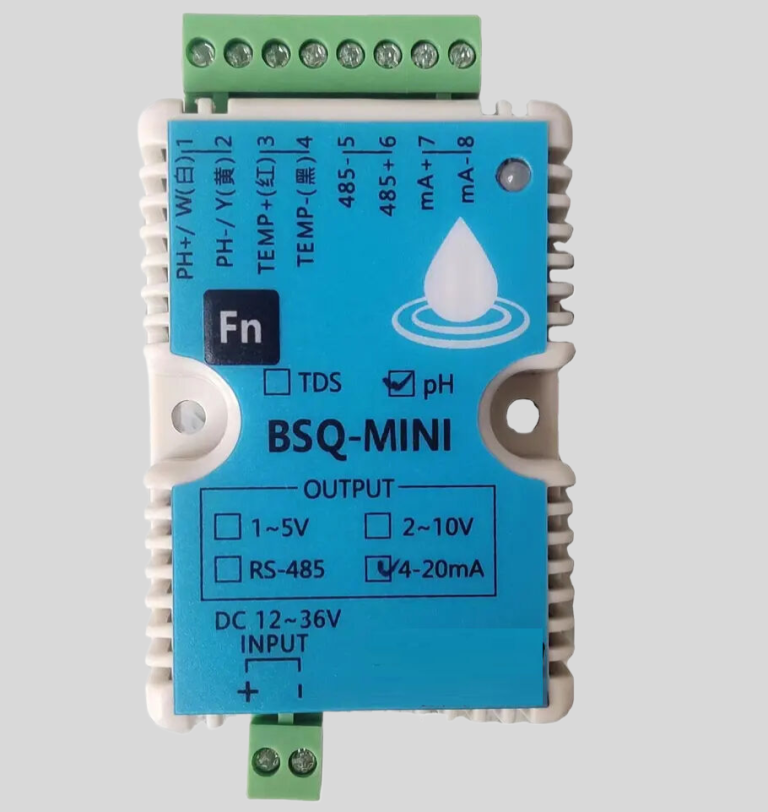
Shanghai ChiMay specializes in designing conductivity measurement solutions specifically for food and beverage processing applications. Their inline conductivity sensors feature sanitary Tri-Clamp connections that comply with 3-A Sanitary Standards, enabling installation without dead legs or contamination traps. The sensors support output protocols including 4-20 mA current loops and HART communication, facilitating integration with existing control systems without extensive hardware modifications.
The sensor’s measurement range from 0.1 μS/cm to 10,000 μS/cm covers the full spectrum of food processing water quality monitoring needs, from ultrapure rinse water to concentrated brines. Accuracy specifications of ±0.5% of reading ensure reliable detection of subtle changes in water quality that might indicate developing contamination or process drift. Combined with operational lifetimes exceeding 25,000 hours, these sensors provide cost-effective monitoring throughout production facility lifecycles.
Shanghai ChiMay’s conductivity sensors incorporate predictive maintenance algorithms that monitor electrode condition and signal quality, alerting operators when calibration verification or sensor replacement is approaching. This proactive approach minimizes unexpected downtime and ensures continuous compliance with food safety requirements.
Conclusion
Inline conductivity sensors represent essential technology for food and beverage processing facilities committed to water quality excellence. The combination of real-time monitoring, labor reduction, and contamination prevention delivers compelling return on investment across facility sizes and processing types. Shanghai ChiMay’s application-specific sensor designs provide the accuracy, durability, and integration capabilities that modern food processing operations require.