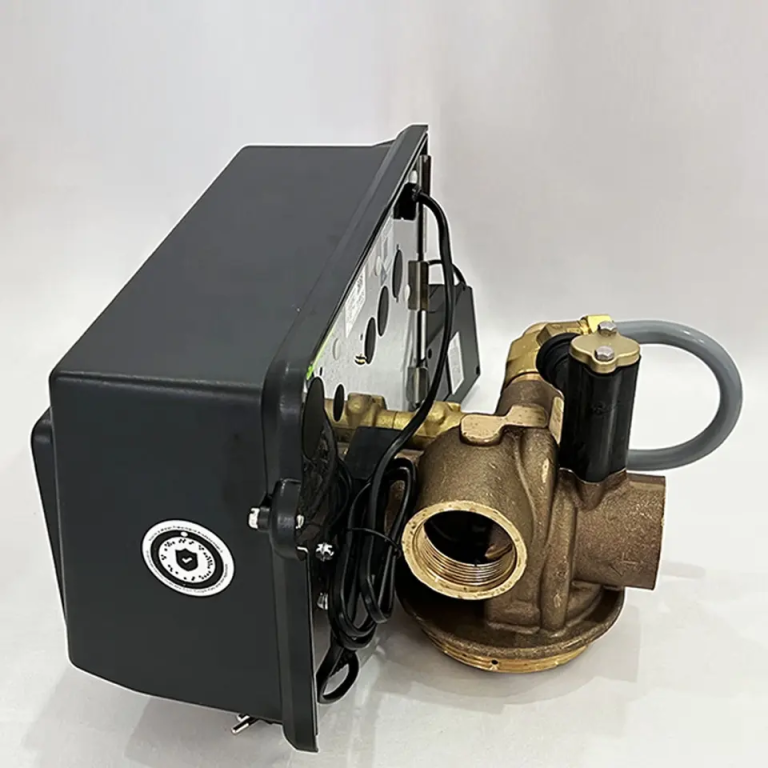
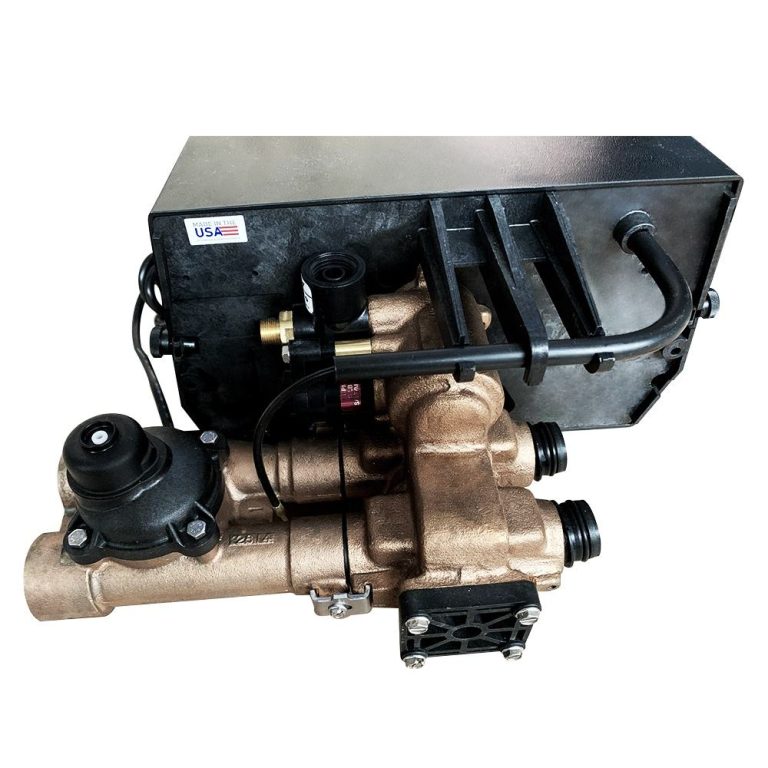
The Complete Guide to softener valve Installation and Configuration
Key Points
Water softener systems treating 100 gallons per minute continuously save approximately $45,000 annually in energy and scale-related maintenance costs
Improper installation accounts for 67% of softener valve failures within the first three years of service
ChiMay softening and filtering valves cover flow rates from 1 m³/h to 30 m³/h with 100 μm filtration precision
Regeneration cycles of 7-14 days balance treatment effectiveness against salt and water consumption based on water hardness
Introduction
Water softening removes scale-forming calcium and magnesium ions through ion exchange processes, protecting plumbing, appliances, and process equipment throughout residential, commercial, and industrial facilities. The softener valve controls the complex regeneration sequence that restores exchange capacity, making proper installation and configuration essential for reliable operation and economical performance.
Improperly configured softener valves waste salt and water through excessive regeneration while potentially delivering hard water during critical periods. Understanding installation requirements and configuration parameters enables facilities to achieve optimal softening performance throughout equipment lifecycles.
Understanding softener valve Functions
Time vs. Flow Metered Regeneration
Softener valves operate under two primary control philosophies:
Time-clock regeneration initiates regeneration at preset intervals regardless of actual water use. This approach suits consistent demand patterns but wastes capacity when demand drops or delivers hard water when demand exceeds regeneration capacity.
Typical time-clock settings range from 3-14 days depending on water hardness and system capacity. Hardness above 15 grains per gallon typically requires regeneration every 3-5 days, while softer supplies may regenerate weekly.
flow meter regeneration tracks actual water usage through paddle wheel or turbine flow meters, initiating regeneration when cumulative flow approaches system capacity. This approach optimizes regeneration timing for variable demand patterns.
Metered systems calculate regeneration timing based on total capacity (grains) divided by daily consumption (gallons per day × grains per gallon). The safety factor of 10-20% below calculated capacity ensures reliable operation without premature regeneration.
Regeneration Sequence
Modern automatic softener valves execute a programmed sequence of distinct steps:
Backwash reverses flow through the resin bed, expanding the media and flushing accumulated sediment and precipitates to drain. Duration typically ranges 5-15 minutes depending on resin type and water quality.
Brine draw pulls salt solution from the brine tank through the resin, displacing calcium and magnesium ions in exchange for sodium. This critical step typically requires 30-90 minutes for complete regeneration.
Slow rinse continues brine displacement with service water, preventing salt waste while maintaining regeneration effectiveness.
Fast rinse completes salt displacement with higher flow rates, preparing the resin for service while minimizing total rinse water consumption.
Brine tank refill adds water to the brine tank, preparing salt solution for the next regeneration cycle.
Installation Requirements
Location Selection
Proper valve installation location ensures reliable operation and convenient maintenance:
Structural support must accommodate system weight when filled with resin and water. Typical 48,000 grain residential systems weigh approximately 400-500 pounds when operational, while commercial systems may exceed 2,000 pounds.
Drain access accommodates backwash flow rates of 5-15 gallons per minute during regeneration. Floor drains, utility sinks, or appropriately sized drain lines prevent flooding during backwash cycles.
Electrical supply provides 120V/60Hz power for time-clock or electronic controllers. GFCI protection enhances safety in wet locations, while uninterrupted power maintains controller settings during outages.
Temperature considerations prevent exposure to freezing conditions or excessive heat. Ambient temperatures between 40°F and 110°F protect electronic components and prevent biological growth in brine tanks.
Plumbing Connections
Proper plumbing ensures efficient operation and easy maintenance:
Inlet and outlet connections typically employ 1" NPT threads for residential applications and 1.5-2" NPT for commercial systems. Union connections enable valve removal without cutting pipes.
Bypass valves provide manual bypass capability for valve maintenance or emergency operation. Full-port ball valves maintain flow capacity when bypassed, preventing pressure loss affecting downstream equipment.
Sample ports before and after the softener enable water quality verification. Quarter-turn ball valves provide convenient sampling without tools.
Drain Line Requirements
Backwash drain connections require attention to prevent problems:
Air gap requirements prevent contamination of supply water through drain connections. Anti-siphon devices prevent drain water from siphoning back into the softener during regeneration.
Drain line sizing accommodates peak backwash rates without restriction. 3/4" minimum drain line diameter prevents air binding and ensures complete backwash drainage.
Elevation affects drain flow, with maximum 6-8 feet of head typically acceptable. Excessive lift creates incomplete drainage and potential overflow.
Configuration Parameters
System Sizing
Properly sized systems prevent both premature regeneration and hard water breakthrough:
Capacity calculation determines resin volume from daily hardness removal requirements:
Daily Grains = Daily Gallons × Hardness (gpg)
Resin Volume (cubic feet) = Daily Grains ÷ (30,000 × Efficiency Factor)
Efficiency factors of 0.75-0.85 account for less-than-perfect regeneration and gradual capacity loss.
Hardness and Flow Specifications
Regeneration Settings
Electronic controllers enable precise regeneration configuration:
Salt dosage typically ranges 6-15 pounds per cubic foot of resin. Higher dosages increase capacity but reduce efficiency, with diminishing returns above 10 lbs/ft³.
Brine draw time requires adjustment based on brine tank size and injector selection. Insufficient draw leaves regenerant salt in the tank; excessive draw wastes water.
Backwash time of 5-10 minutes typically suffices for most water conditions. Highly turbid supplies may require extended backwash to clear sediment.
Rinse cycles of 3-5 minutes each for slow and fast rinse stages balance thorough rinsing against water consumption.
Water Meter Settings
Flow metered systems require accurate capacity programming:
Meter capacity programming tells the controller total system capacity in gallons. Calculated capacity equals grains ÷ grains per gallon.
Drawdown represents usable capacity between regenerations, typically 80-90% of theoretical maximum. Insufficient drawdown creates hard water delivery before regeneration triggers.
Reserve capacity allows continued service during demand spikes exceeding normal consumption. Typical reserve of 10-20% provides margin while maximizing capacity utilization.
ChiMay softener valve Features
Flow Rate Coverage
ChiMay softening and filtering valves address applications from residential to light industrial:
Communication Options
ChiMay valves support multiple control and communication options:
Time-clock control for simple applications with consistent demand
flow meter control for demand-responsive regeneration
Modbus RTU/TCP for building automation integration
4-20mA outputs for process monitoring systems
DURAFIDE™ Technology
ChiMay's proprietary DURAFIDE™ resin technology provides enhanced capacity and durability compared to standard ion exchange resins. Benefits include:
15-20% greater capacity per regeneration cycle
Improved physical stability reducing breakage and pressure loss
Enhanced temperature resistance for hot water applications
Reduced TOC release for critical process applications
Troubleshooting Common Issues
Hard Water Delivery
Hard water appearing after softening indicates several potential problems:
Exhausted resin from undersized systems or excessive demand requires capacity increase or additional units. flow meter systems may need capacity reprogramming.
Resin contamination from chlorine, iron, or bacterial growth reduces capacity and effectiveness. Resin cleaning or replacement may be necessary.
Valve malfunction preventing proper regeneration sequence execution requires controller diagnosis and valve service.
Excessive Salt Consumption
High salt usage increases operating costs and indicates problems:
Over regeneration from incorrectly set salt dosage wastes salt without proportional capacity benefit. Verify settings match manufacturer specifications.
Leaky valves allowing service water to flow directly to drain during regeneration waste salt and water. Valve inspection and service addresses this issue.
Incorrect brine concentration from improper brine tank filling or salt bridging reduces regeneration efficiency. Manual brine testing verifies concentration.
Water Pressure Problems
Pressure loss through softeners affects downstream equipment:
Resin fouling from sediment, iron, or organic matter restricts flow. Backwash frequency increase or resin cleaning addresses fouling.
Channeling through damaged or settled resin creates preferential flow paths. Resin replacement or reclassification corrects channeling.
Plugged distributors from debris accumulation reduce effective capacity. Internal inspection and cleaning restores proper flow distribution.
Maintenance Best Practices
Regular Maintenance Schedule
Preventive maintenance prevents operational problems:
Water Quality Monitoring
Ongoing water testing verifies system performance:
Hardness testing with 滴定 or test strips verifies softening effectiveness. Test at softener outlet following regeneration to verify performance.
Residual chlorine testing identifies chlorine exposure potentially damaging resin. Activated carbon pretreatment addresses chlorine issues.
Iron testing in untreated water identifies potential resin fouling. Oxidation filtration or resin cleaner application prevents iron accumulation.
Conclusion
Proper softener valve installation and configuration protects the substantial investment in water treatment equipment while ensuring reliable softening performance. Attention to installation requirements, plumbing connections, and configuration parameters prevents the problems causing 67% of early valve failures.
ChiMay's softening and filtering valve product line provides the quality, reliability, and performance required for demanding residential, commercial, and light industrial applications. Combined with proper installation practices and regular maintenance, ChiMay valves deliver years of trouble-free service protecting plumbing and equipment from scale damage.
Facilities investing in proper installation and configuration achieve the $45,000 annual savings documented for well-managed softening systems. The combination of equipment quality and professional application engineering ensures optimal performance throughout system lifecycles.
| Application | Hardness Range | Typical Sizing |
|---|---|---|
| Residential | 5-25 gpg | 24,000-48,000 grains |
| Light Commercial | 10-40 gpg | 64,000-96,000 grains |
| Industrial Process | 5-100+ gpg | Variable, custom |
| Model Series | Flow Rate | Filtration | Applications |
|---|---|---|---|
| Residential | 1-2.5 m³/h | Optional | Homes, apartments |
| Commercial | 5-15 m³/h | 100 μm | Hotels, laundries |
| Light Industrial | 20-30 m³/h | 100 μm | Food processing, labs |
| Task | Frequency | Action |
|---|---|---|
| Salt level check | Weekly | Maintain 1/3 to 1/2 tank level |
| Brine tank cleaning | Quarterly | Remove sediment and salt cake |
| Resin inspection | Annually | Check for damage, contamination |
| Valve service | Every 2-3 years | Rebuild seals, inspect internals |