Water Quality Standards for Data Center Cooling Systems: A Complete Guide
Key Points
Data center cooling systems consume approximately 40% of total facility energy, with water quality directly affecting cooling efficiency (Uptime Institute 2026)
Corrosion in cooling systems costs data centers an estimated $127,000 annually per megawatt of cooling capacity in treatment and equipment replacement
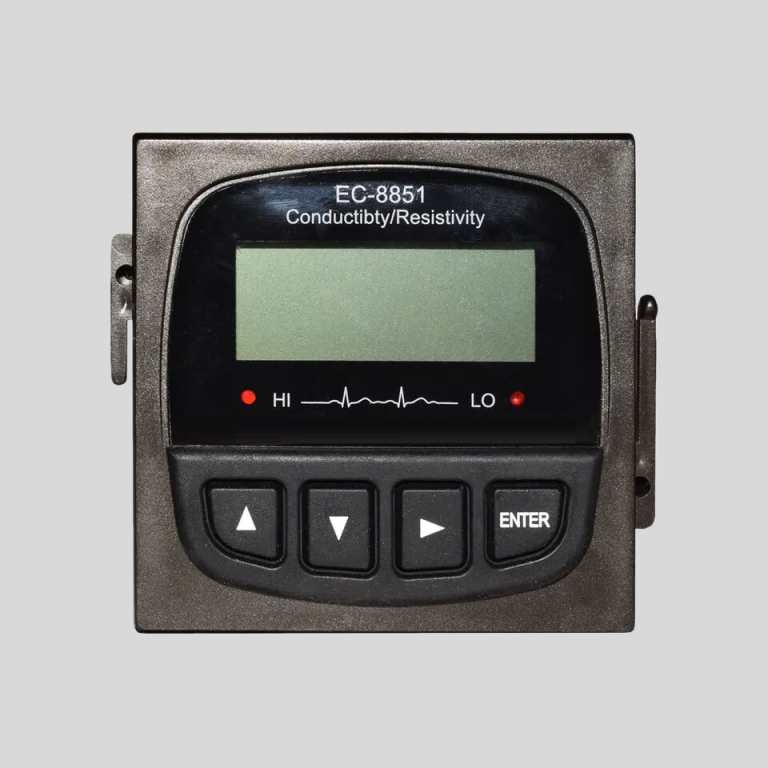
ChiMay water quality sensors monitor pH (6.5-8.5 range), conductivity (<800 μS/cm), and corrosion rates for proactive cooling water management
ASME cooling water guidelines specify maximum 0.005 inches per year corrosion rates for critical data center applications
Introduction
Data centers supporting artificial intelligence, cloud computing, and digital transformation demand unprecedented power density, with rack power consumption exceeding 30 kW becoming common in modern facilities. This density makes cooling infrastructure critical, with water-based cooling systems providing the thermal management essential for reliable operation.
Water quality directly determines cooling system performance, efficiency, and longevity. Poor water quality accelerates corrosion, scale formation, and microbiological growth, creating maintenance burdens while threatening the reliability that data center operators guarantee to customers. Understanding water quality standards enables facilities to implement monitoring and treatment programs protecting their critical cooling infrastructure.
Cooling Water Applications in Data Centers
Liquid Cooling Technologies
Modern high-density data centers employ multiple liquid cooling approaches, each with distinct water quality requirements:
Rear-door heat exchangers attach directly to server racks, using chilled water to absorb and remove heat. Water quality requirements focus on preventing corrosion and scaling that restrict flow through narrow passageways.
Coolant distribution units (CDUs) manage cooling fluid circulation between heat sources and heat rejection equipment. These systems often use specialized coolants rather than pure water, requiring different water quality parameters.
Direct-to-chip cooling delivers cooling fluid directly to processor heat sources, demanding the highest water quality to prevent contamination that could damage sensitive electronics in leak scenarios.
Open vs. Closed Systems
Open cooling towers evaporate water for heat rejection, concentrating dissolved solids and requiring continuous blowdown and chemical treatment. These systems demand the most intensive water quality management.
Closed loop systems isolate cooling water from atmosphere, maintaining relatively stable water quality through filtration and periodic treatment. While requiring less maintenance, closed systems still need monitoring to prevent corrosion and microbiological accumulation.
Critical Water Quality Parameters
pH Control
pH influences corrosion rates dramatically, with both acidic and highly alkaline conditions accelerating metal dissolution. Data center cooling water typically requires maintenance between pH 6.5 and 8.5 for balanced corrosion protection.
Low pH (below 6.5) accelerates acidic corrosion of steel and copper system components. High pH (above 8.5) promotes scale formation and compromises corrosion inhibitor effectiveness.
ChiMay's inline pH sensors with automatic temperature compensation maintain ±0.1 pH accuracy across the -10°C to 130°C temperature ranges encountered in cooling systems. PTFE reference junction designs resist fouling from common cooling water contaminants.
Conductivity and Total Dissolved Solids
Conductivity measurement provides continuous indication of dissolved solid concentration, correlating with scaling potential and corrosion rates. Target conductivity below 800 μS/cm for most cooling tower applications prevents excessive scale formation.
Total dissolved solids (TDS) concentration results from dissolved calcium, magnesium, silica, and other compounds that precipitate as scale when concentrate factors increase. Maximum TDS of 1,500 mg/L typically prevents significant scaling in open systems.
Electrodialysis reversal and brine concentrate management systems maintain TDS within acceptable ranges through continuous purging of concentrate streams.
Corrosion Indicators
Corrosion rate monitoring provides direct measurement of system metal loss, enabling treatment optimization before damage accumulates:
Electrical resistance (ER) probes measure metal thickness reduction through corrosion, providing cumulative corrosion rate data. Linear polarization resistance (LPR) techniques measure instantaneous corrosion rates in real-time.
Iron and copper concentrations in system water indicate active corrosion rates, with elevated levels signaling treatment requirements. Target concentrations below 0.5 mg/L iron and 0.1 mg/L copper suggest acceptable corrosion control.
Microbiological Contamination
Microbiological growth including bacteria, algae, and fungi creates serious problems in cooling systems:
Legionella pneumophila poses human health risks through aerosolized transmission from cooling towers. Regulatory requirements typically mandate <100 CFU/mL for total bacteria with specific Legionella testing protocols.
Biofilm formation insulates heat transfer surfaces while consuming corrosion inhibitors, creating localized corrosion cells beneath biological deposits. Treatment programs combine biocides (oxidizing and non-oxidizing) with dispersants preventing biofilm adhesion.
ATP (adenosine triphosphate) testing provides rapid assessment of microbiological loading, enabling treatment adjustment before culture results return days later.
Treatment Strategies
Chemical Treatment Programs
Corrosion inhibitors protect system metals through film formation or electrochemical polarization:
Polyphosphates form protective calcium phosphate films on steel surfaces, effective in neutral pH ranges. Molybdates provide excellent inhibition for mixed metal systems including copper alloys. Azoles specifically protect copper components from dezincification and erosion-corrosion.
Scale inhibitors prevent mineral precipitation through threshold inhibition or crystal modification:
Phosphonates (HEDP, ATMP) prevent calcium carbonate scale formation at concentrations far below stoichiometric requirements. Polycarboxylates modify crystal growth, preventing the adherent scales that restrict heat transfer.
Biocides control microbiological growth through oxidation or metabolic disruption:
Chlorine and bromine provide oxidizing biocidal action with rapid kill kinetics. Isothiazolinone and glutaraldehyde offer non-oxidizing alternatives for systems where chlorine compatibility proves problematic.
Physical Treatment Technologies
Filtration removes suspended solids and biological debris from circulating water:
Sand filters capture particles above 20-50 μm, suitable for pre-treatment of makeup water. Bag filters and cartridge filters provide finer filtration for closed systems or point-of-use protection.
Magnetic treatment devices claim reduced scale formation through electromagnetic effects on crystal nucleation. Scientific evidence remains mixed, with effectiveness varying by specific conditions.
UV sterilization provides chemical-free microbiological control by exposing water flow to ultraviolet radiation. Effective against bacteria, viruses, and many protozoa without chemical addition or resistance development.
ChiMay Monitoring Solutions
Comprehensive Water Quality Monitoring
ChiMay provides sensors and systems addressing data center cooling water monitoring requirements:
Multi-parameter monitoring panels integrate pH, conductivity, ORP, and temperature measurement in unified packages simplifying installation and calibration.
Corrosion rate probes using ER or LPR technology provide continuous monitoring of system metal loss, enabling treatment optimization before damage accumulates.
Microbiological monitoring solutions including ATP testing kits and continuous monitoring options support comprehensive biological control programs.
Data Integration
ChiMay monitoring systems connect seamlessly with data center building management systems:
BACnet and Modbus TCP/IP protocols for BMS integration
4-20mA outputs for PLC connectivity
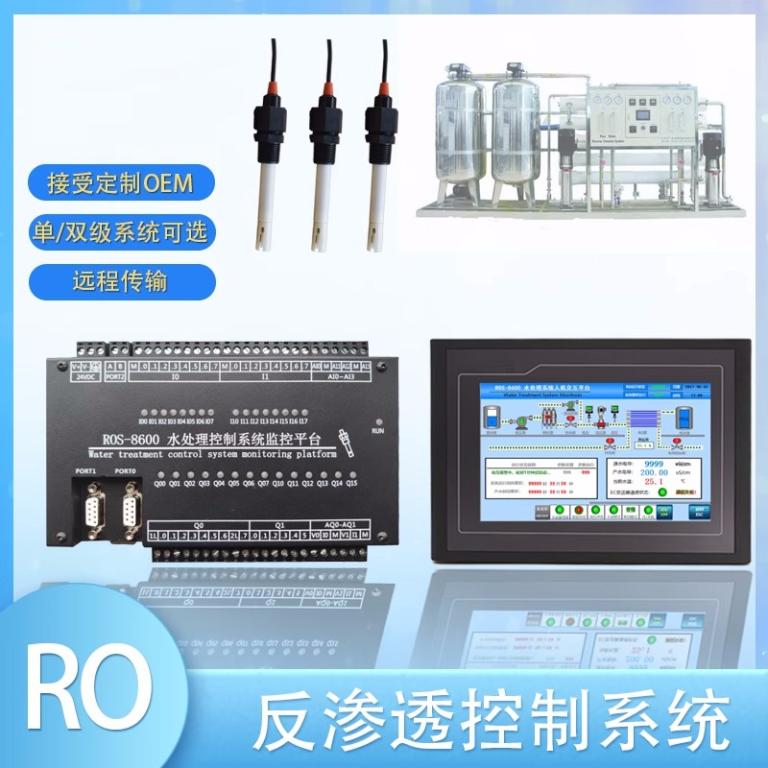
Cloud-based monitoring platforms for remote oversight
Alert notification via SMS, email, or control system integration
Best Practices for Water Management
Monitoring Program Design
Effective water quality management requires systematic monitoring at critical points:
Makeup water testing establishes baseline water quality affecting treatment requirements. Source variations require periodic retesting as conditions change seasonally.
System operating parameters including conductivity, pH, and corrosion rates require continuous or daily monitoring depending on system stability.
Heat exchanger performance tracking provides ultimate verification of water quality effectiveness. Declining heat transfer efficiency often indicates scale or biological fouling despite acceptable chemical parameters.
Maintenance Scheduling
Preventive maintenance prevents water quality problems from developing:
Documentation Requirements
Water treatment logs meeting regulatory and insurance requirements demonstrate professional program management. Electronic record-keeping systems with audit trails satisfy increasingly strict documentation requirements.
Equipment warranties frequently require documented water quality maintenance for warranty validity. Systematic records prove compliance with manufacturer requirements.
Economic Considerations
Treatment Cost Optimization
Water treatment programs represent significant operating expenses requiring optimization balancing cost against performance:
Chemical costs typically range from $0.02-0.08 per gallon of circulating water depending on system conditions and treatment intensity. Comprehensive treatment programs often reduce total operating costs through decreased makeup water, lower energy consumption, and extended equipment life.
Makeup water costs escalate dramatically with treatment intensity. Reverse osmosis and deionization systems add $0.50-2.00 per gallon to water costs, justifying water recycling and treatment optimization that minimizes consumption.
Equipment Longevity
Cooling system components represent substantial capital investments requiring protection:
Chiller tubes failing from corrosion or scaling require expensive replacement, often exceeding $50,000 per ton of cooling capacity. Water quality management preventing tube failures protects this capital investment.
Pump and valve seals experience accelerated wear from poor water quality, with replacement costs multiplying across large systems. Clean water with appropriate corrosion inhibition extends seal life significantly.
Conclusion
Data center cooling water quality management demands systematic attention to multiple parameters including pH, conductivity, corrosion rates, and microbiological loading. Effective monitoring programs enable treatment optimization that protects critical cooling infrastructure while minimizing operating costs.
ChiMay's comprehensive water quality monitoring solutions address data center requirements through proven sensor technology, flexible integration options, and extensive application support. Facilities implementing professional water management programs achieve improved reliability, extended equipment life, and optimized operating costs.
As data center power densities continue increasing, cooling infrastructure importance grows correspondingly. Investment in water quality management protects these critical systems while enabling the reliability that modern digital infrastructure demands.
| Task | Frequency | Responsible Personnel |
|---|---|---|
| pH/conductivity verification | Daily | Operations staff |
| Corrosion rate check | Weekly | Water treatment technician |
| Microbiological testing | Monthly | Water treatment technician |
| System inspection | Quarterly | Engineering/maintenance |
| Comprehensive water analysis | Semi-annually | Water treatment specialist |