
It seems we can’t find what you’re looking for. Perhaps searching can help.
Other Related Posts

what water filters remove lead

what water filters remove lead

“Protecting your health, one sip at a time – removing lead with every drop.” How Water Filters Remove Lead Lead contamination in drinking water is a serious concern for many people, as exposure to lead can have harmful effects on health, especially in children and pregnant women. Fortunately, there are water filters available that can…
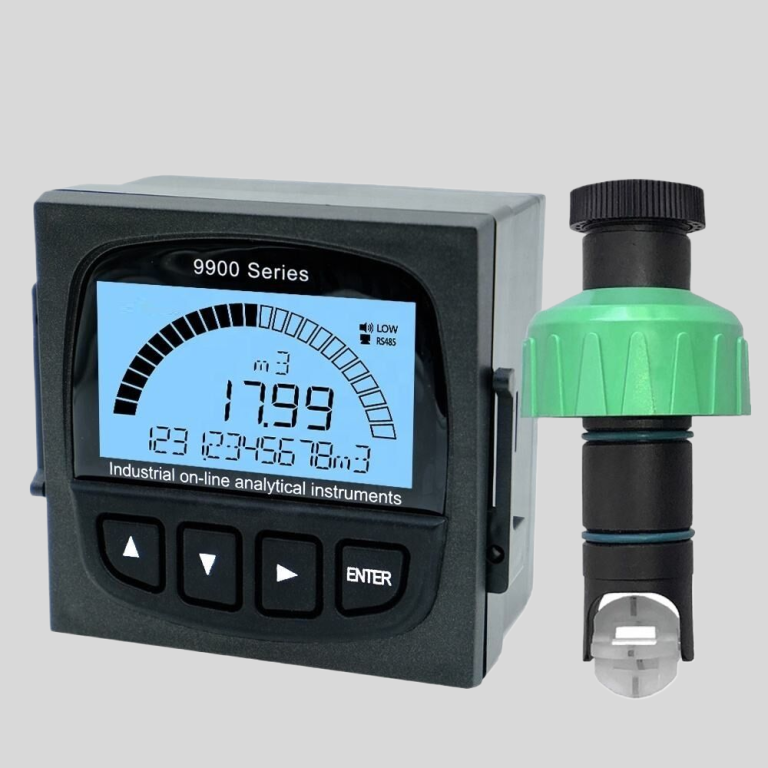
Softener Valves vs. Softening and Filtering Valves: Cost-Benefit Analysis for Industrial Applications

Key Takeaways Softener valves achieve water softening at operating costs of $0.15-0.35 per 1,000 gallons, while combined softening and filtering valves cost $0.25-0.55 per 1,000 gallons to operate Combined valves deliver 40-60% reduction in total suspended solids alongside hardness removal, making them ideal for applications requiring both treatment objectives System payback periods range from 14-28…

Why Is Real-Time Conductivity Monitoring Critical for Industrial Wastewater Reuse?

Why Is Real-Time Conductivity Monitoring Critical for Industrial Wastewater Reuse? Key Takeaways Conductivity monitoring detects 99.3% of dissolved solid variations that indicate treatment system performance Facilities with continuous conductivity monitoring achieve 40% higher wastewater recycling rates Real-time conductivity data enables $180,000 average annual savings in chemical treatment costs Total Dissolved Solids (TDS) variations exceeding 500…

quick thermal conductivity meter qtm-500

quick thermal conductivity meter qtm-500

Benefits of Using Quick Thermal conductivity meter QTM-500 for Industrial Applications Thermal conductivity is a crucial property in various industrial processes, as it determines how quickly heat can be transferred through a material. Accurate measurement of thermal conductivity is essential for optimizing energy efficiency, ensuring product quality, and maintaining safety standards. The Quick Thermal conductivity…

Multi-Parameter Water Quality Sensors: Integrating pH, ORP, Conductivity, and Temperature Measurement

Key Takeaways Multi-parameter sensors reduce installation costs by 40-60% compared to individual sensor deployments, while providing synchronized measurement of critical parameters Integrated sensors achieve measurement consistency impossible with separate instruments, eliminating cross-calibration errors that can cause 10-25% process variability Modern 4-in-1 sensors deliver laboratory-grade accuracy across pH (0-14, ±0.02), ORP (±1 mV), conductivity (0-200 mS/cm,…
