
It seems we can’t find what you’re looking for. Perhaps searching can help.

Other Related Posts

Conductivity Sensors in Reverse Osmosis System Monitoring: A Technical Deep Dive

Key Takeaways Reverse osmosis systems achieving >97% salt rejection require conductivity measurement accuracy of ±1% or better Continuous conductivity monitoring enables early membrane fouling detection with 73% reduction in unscheduled downtime Four-electrode conductivity technology provides superior accuracy in high-conductivity applications compared to two-electrode designs Temperature compensation algorithms must account for non-linear behavior in high-purity water…
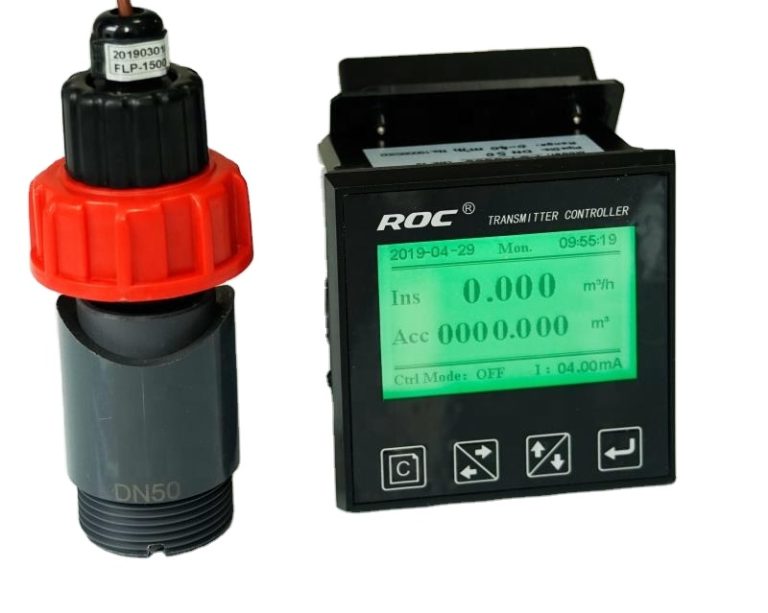
chất lượng nước có thể được kiểm tra bằng cách giám sát

Nguồn ô nhiễm trong nước uống Chất lượng nước là một khía cạnh quan trọng đối với sức khỏe cộng đồng, vì nước bị ô nhiễm có thể dẫn đến nhiều vấn đề sức khỏe khác nhau. Giám sát chất lượng nước là cần thiết để đảm bảo nước uống an toàn cho người tiêu…

Electrochemical Treatment Economics: Sub-2 kWh/m³ Energy Consumption

Electrochemical Treatment Economics: Sub-2 kWh/m³ Energy Consumption Key Takeaways: – Optimized electrochemical treatment systems achieve <2 kWh/m³ energy consumption while maintaining >95% organic pollutant removal efficiency – Energy costs represent 50-70% of electrochemical treatment operational expenses, creating strong incentives for optimization – Advanced electrode materials and pulsed power operation can reduce energy consumption by 20-30%…
