
It seems we can’t find what you’re looking for. Perhaps searching can help.
Other Related Posts

what water filters remove lead

what water filters remove lead

“Protecting your health, one sip at a time – removing lead with every drop.” How Water Filters Remove Lead Lead contamination in drinking water is a serious concern for many people, as exposure to lead can have harmful effects on health, especially in children and pregnant women. Fortunately, there are water filters available that can…
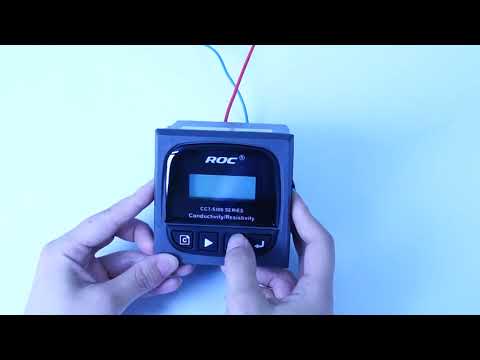
Hướng dẫn sử dụng máy đo tds kỹ thuật số hm

Hướng dẫn sử dụng máy đo tds kỹ thuật số hm

Cách hiệu chỉnh máy đo TDS kỹ thuật số HM của bạn đúng cách Khi đo tổng chất rắn hòa tan (TDS) trong nước, việc trang bị một máy đo TDS chính xác và đáng tin cậy là điều cần thiết. Một thương hiệu phổ biến được nhiều người tin tưởng cho nhu cầu đo…

7 Critical Parameters for Semiconductor UPW Quality Control

Key Takeaways: Semiconductor ultrapure water (UPW) market reaches $5.2 billion globally in 2026 Water quality excursions cause $50,000-$500,000 in yield losses per incident Modern wafer fabrication requires resistivity exceeding 18.18 MΩ·cm for advanced nodes The SEMI F75 standard defines critical measurement parameters Ultrapure water serves as the essential cleaning and rinsing agent throughout semiconductor manufacturing….

Residual Chlorine Sensor Selection for Food and Beverage Processing Applications

Key Takeaways Food and beverage processing facilities consume approximately $4.2 billion annually in water treatment costs, with disinfection representing 18% of total expenditure Residual chlorine sensor technology provides measurement accuracy of ±0.03 mg/L for precise disinfection control Optimized chlorine dosing through continuous monitoring reduces chemical costs by 28% while maintaining regulatory compliance ChiMay’s electrochemical sensors…

What Role Does Real-Time Conductivity Monitoring Play in Semiconductor Manufacturing?

Key Takeaways Semiconductor manufacturing requires water purity exceeding 18 MΩ·cm (resistivity), equivalent to conductivity below 0.055 μS/cm Real-time monitoring enables immediate detection of resin exhaustion, preventing product losses worth $500,000+ per contamination event The industry consumes approximately 2-4 gallons of ultra-pure water for every silicon wafer processed ChiMay’s high-purity sensors maintain ±1% accuracy at the…
