Table of Contents
Why Does My Desalination Plant Keep Experiencing Membrane Fouling?
Key Takeaways:
– Membrane fouling costs the global desalination industry an estimated $4 billion annually
– Over 80% of fouling events are preventable with proper monitoring and intervention
– The answer often lies in inadequate real-time water quality monitoring
The Persistent Problem
If you’ve found yourself asking why your desalination plant keeps experiencing membrane fouling despite following manufacturer guidelines, you’re not alone. Membrane fouling remains one of the most challenging operational issues facing desalination facilities worldwide. The frustration is understandable—when fouling occurs, it means reduced production, increased energy costs, and shortened membrane life.
But here’s what many operators don’t realize: the root cause of repeated fouling events typically isn’t the membranes themselves. It’s the absence of comprehensive real-time water quality monitoring that would enable proactive intervention.
Understanding What Actually Causes Fouling
The Biofilm Formation Process
Membrane biofouling begins long before visible symptoms appear. It starts with:
– Dissolved organic matter (DOM) reaching membrane surfaces
– Microbial colonization forming biofilm precursors
– Progressive biofilm development that restricts flow
– Eventual membrane damage requiring replacement
The key to prevention lies in detecting these early stages—something that traditional periodic sampling simply cannot accomplish.
Why Periodic Monitoring Falls Short
Many facilities rely on daily or weekly water quality sampling. This approach has critical limitations:
– Fouling can develop within hours between sampling intervals
– Point-in-time measurements miss diurnal variations
– Laboratory results arrive too late for intervention
– Patterns remain invisible without continuous data
The Cost of Inadequate Monitoring
Industry data reveals the financial impact:
– Emergency cleaning costs average $15,000-50,000 per event
– Unplanned membrane replacement: $200-500 per square meter
– Energy penalties from fouled membranes: 15-30% increase
– Production losses during remediation: 2-5 days
What You Should Be Monitoring
Critical Parameters for Fouling Prediction
Effective fouling prevention requires continuous monitoring of:
- Dissolved Organic Carbon (DOC) – Primary fouling indicator
- Total Organic Carbon (TOC) – Overall organic load
- Chlorophyll-a – Algal contamination source
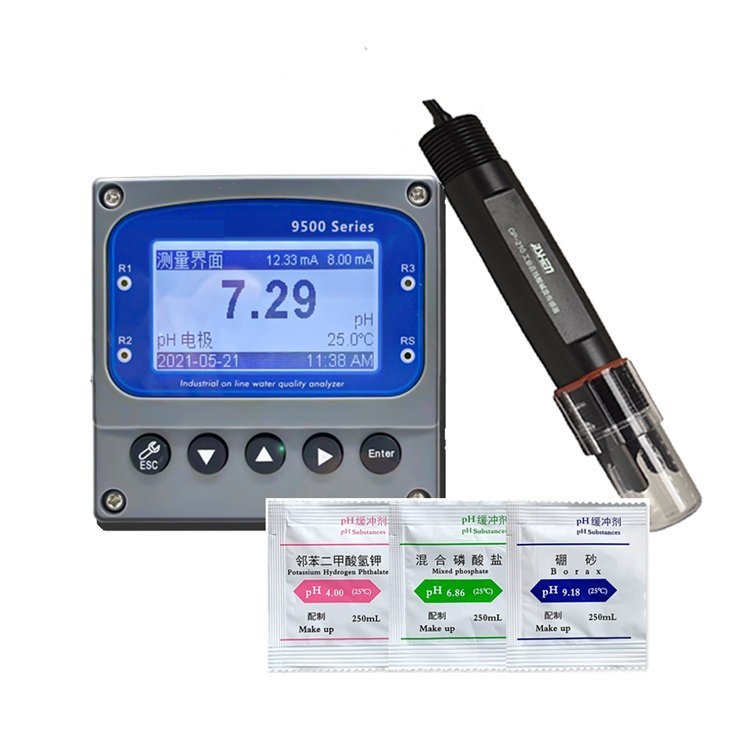
- pH Levels – Influences biofilm development
- Turbidity – Particulate fouling indicator
- Oxidization agents – Membrane degradation risk
The Role of Conductivity Monitoring
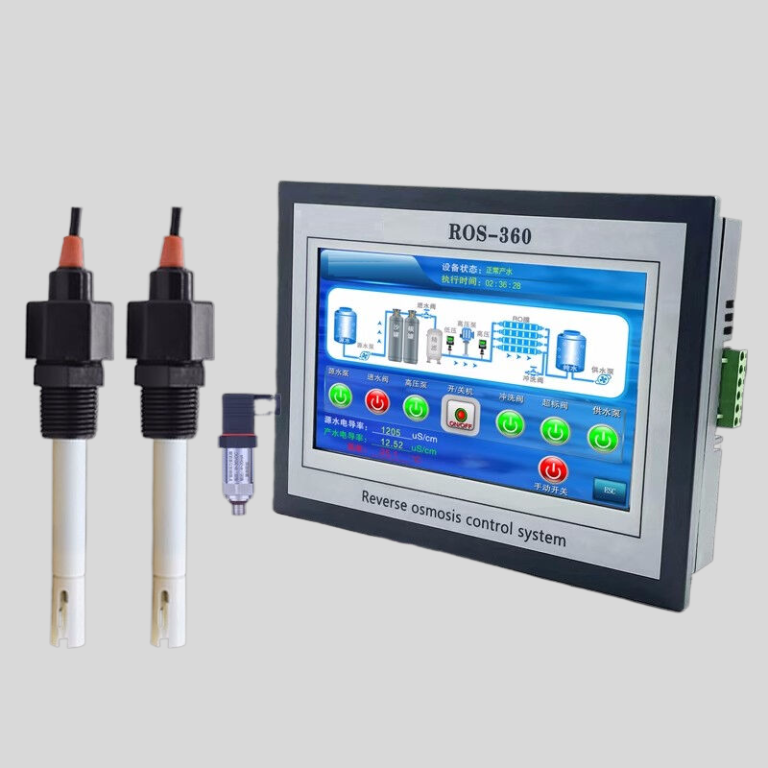
Conductivity sensors provide essential data for:
– Early detection of membrane performance changes
– Optimization of cleaning timing
– Recovery rate adjustments
– Feedwater quality variations
The Membrane Technology Research organization (2024) reports that facilities with continuous conductivity monitoring achieve 25-40% longer membrane lifetimes through condition-based cleaning optimization.
Implementing Effective Monitoring
Technology Selection
Modern monitoring solutions offer significant advantages:
– Optical sensors for organic matter detection
– Fluorescence spectroscopy for DOM characterization
– IoT-enabled platforms for remote monitoring
– AI-driven analytics for predictive insights
Integration Considerations
Successful monitoring implementation requires:
– Strategic sensor placement throughout the process
– Real-time data transmission to control systems
– Automated alert generation for threshold exceedance
– Historical data analysis for pattern recognition
The Path Forward
Breaking the cycle of recurring fouling events requires a fundamental shift from reactive to proactive operations. This means:
– Continuous rather than periodic monitoring
– Predictive rather than reactive maintenance
– Data-driven rather than intuition-based decisions
– Prevention rather than remediation
Take Action
If your facility is experiencing repeated fouling events, the solution isn’t simply more frequent cleaning or earlier membrane replacement. It’s implementing the monitoring infrastructure that enables you to see fouling developing—and intervene—before damage occurs.
Shanghai ChiMay provides comprehensive water quality monitoring solutions designed specifically for desalination applications. Our sensors deliver the real-time data you need to protect your membranes and optimize plant performance.