Water treatment plants are capital-heavy assets. Blowers, pumps, valves, membranes and analysers all wear out on their own schedule, and the maintenance budget has to stretch across all of them. Reactive repair waits for the failure; calendar-based preventive maintenance replaces parts that may still have years left. Neither approach gets the balance right. A digital twin offers a third option: a working model of the asset that runs alongside the real thing and tells you when its behaviour starts to drift.
Table of Contents
Understanding Digital Twin Architecture in Water Systems
A digital twin has three parts that have to stay in sync. First, the physical asset in the field. Second, a model of how that asset behaves under normal conditions. Third, the live data stream that keeps the model honest.
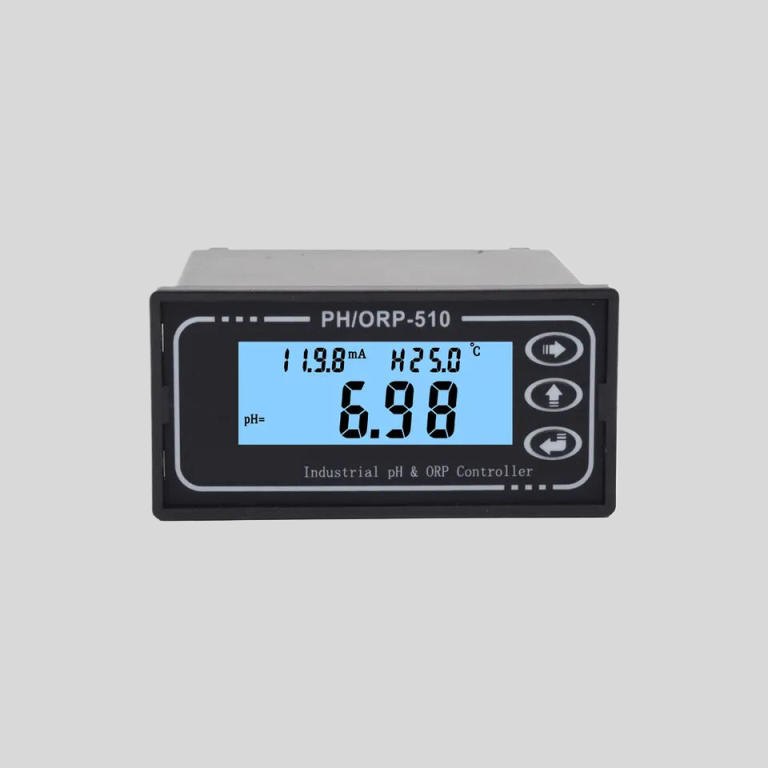
In a treatment plant, the data usually comes from instruments that are already installed: inline pH analysers, conductivity meters, dissolved oxygen transmitters, flow and pressure devices. The twin compares what those instruments report against what the model predicts. When the gap widens beyond a threshold you set yourself, the system raises an alert so someone can look at the asset before it fails. That last part matters more than the software. A twin that nobody acts on is just a dashboard.
Predictive Capabilities Through Machine Learning Integration
The model gets better with data. Machine learning is what lets the twin pick up slow degradation that a human reviewer would miss in a spreadsheet: bearing wear that shifts valve response, membranes fouling faster than the clean-in-place schedule assumes, electrodes drifting out of calibration.
Teams working on this in water and wastewater report the same practical outcome again and again — developing faults are usually visible in the data hours to days before they show up in plant performance. That is enough time to fold the work into a planned shutdown instead of a midnight callout. Emergency repairs cost several times what the same job costs when it is scheduled, which is where most of the business case comes from.
Implementation Considerations for Water Treatment Operators
You cannot build a twin on data you do not collect. Plants that already run online water quality analysers have the foundation in place. What usually needs adding is equipment health instrumentation: vibration on rotating machinery, motor current, winding temperature, sometimes power draw.
Two things decide how painful the project is. The first is control system integration — the twin’s output has to reach the operators who make decisions, not sit in a separate platform. The second is the age of the plant. A new build can be specified with the instrumentation and data model from day one. A retrofit has to work around existing PLCs, legacy protocols and whatever wiring the last expansion left behind.
Economic Analysis of Digital Twin Investment
Software licences, sensors and integration work are real costs, and they land before any savings appear. The return depends almost entirely on what an unplanned failure would cost you: lost production, off-spec water, emergency labour, sometimes a permit issue.
The honest way to size the project is asset by asset. A critical blower or a membrane train serving a pharmaceutical client justifies the instrumentation. A standby pump that nobody notices failing does not. Plants that do this well start with the two or three assets that hurt most when they stop, prove the workflow, then expand.
Future Directions in Water System Digitalization
Sensor prices keep falling, and edge computing now handles a lot of the analysis locally. That matters for plants with limited network bandwidth or no appetite for pushing process data to the cloud.
The longer-term direction is more autonomous operation, where the control system handles routine adjustments and people focus on exceptions. That depends on having a trustworthy model of the plant first. Treat the digital twin as the groundwork for that transition rather than as a maintenance gadget, and the investment is easier to defend.