- Water is the single largest ingredient in many food product categories, and its quality carries straight through to product quality
- Water is a proven vehicle for pathogen transfer into processing facilities, which is why microbial control of process water is non-negotiable
- Inline water monitoring catches contamination events in real time, before product is made and before recalls happen
- Shanghai ChiMay sensors support continuous monitoring across 12+ critical water quality parameters
Water is the most widely used ingredient in food manufacturing: a primary component in beverages, the processing medium in cooking and cleaning operations, and the essential resource for equipment sanitation. Water quality directly impacts product safety, shelf life, consumer health, and brand reputation. Understanding why water quality demands this level of attention helps food manufacturers prioritize monitoring investments and build quality control programs that hold up.
Table of Contents
Water as a Critical Food Ingredient
In many food categories, water is the majority of the finished product. Beverages contain 85 to 95% water by volume. Even relatively dry products like bread incorporate 35 to 40% water in final form. Fresh produce runs 80 to 95% water. This pervasive presence means water quality directly determines product quality across virtually every food manufacturing operation.
The volumes involved are enormous—global food manufacturing consumes water on a scale of trillions of liters annually, with quality requirements that vary sharply by application. Water used as an ingredient must meet drinking water standards established by the World Health Organization (WHO) and local regulatory authorities. Processing water used for washing, blanching, or steam generation requires different specifications, but every application demands monitoring to confirm fitness for its intended purpose.
Water also does work beyond being an ingredient: heat transfer in cooking and sterilization, the reaction medium in fermentation and curing, and physical transport for ingredient handling. Each application creates its own water quality requirements and contamination pathways. Facilities that monitor only their ingredient water while ignoring these auxiliary uses risk product contamination from exactly the routes nobody is watching.
Contamination Risks and Food Safety Implications
Microbiological contamination is the most immediate water quality concern for food manufacturers. Pathogens including Escherichia coli, Salmonella, Listeria monocytogenes, and Campylobacter enter production facilities through water supplies, distribution systems, and processing equipment. Water is a recognized and recurring carrier in documented foodborne outbreaks where the source was traced—processing-water deficiencies, biofilm in dead legs, and untreated or under-treated water have each been implicated in facility-level outbreaks.
Chemical contaminants present challenges that accumulate over longer periods. Heavy metals including lead, mercury, and cadmium leach from aging infrastructure into water supplies, with chronic exposure linked to neurological damage, kidney dysfunction, and cancer risk. Pesticides, solvents, and industrial byproducts require monitoring across extended production periods. The EPA Safe Drinking Water Act establishes maximum contaminant levels for over 90 regulated contaminants, which gives food manufacturers a practical reference frame for their own water specifications—many set internal limits tighter than the public standards.
Physical contaminants—sediment, rust particles, scale fragments—create quality problems beyond safety ones. Particulates affect product appearance and texture, and equipment wear debris signals infrastructure problems that accelerate if ignored. Filtration and monitoring address physical contamination by removing particles and catching degradation before it turns into damage.
Economic Consequences of Water Quality Failures
Recalls triggered by water contamination are expensive. Direct costs for a single large-scale recall—product disposal, facility decontamination, regulatory penalties, lost sales—are widely estimated to run $10 million or more, before counting the legal liabilities, insurance premium increases, and brand damage that compound for years afterward.
Production losses during contamination investigations stack on top of recall costs. Facilities experiencing water quality incidents typically suspend production for 3 to 7 days while the source is identified and corrective actions take effect. For a mid-sized plant, each day down means payroll, overhead, and missed orders with no offsetting production.
Consumer confidence damage is the hardest to quantify and potentially the most lasting impact. Food safety incidents attract sustained media attention, and consumers demonstrably drift away from brands involved in contamination recalls—rebuilding that trust takes marketing spend and a long stretch of clean quality records.
Implementing Effective Water Quality Monitoring
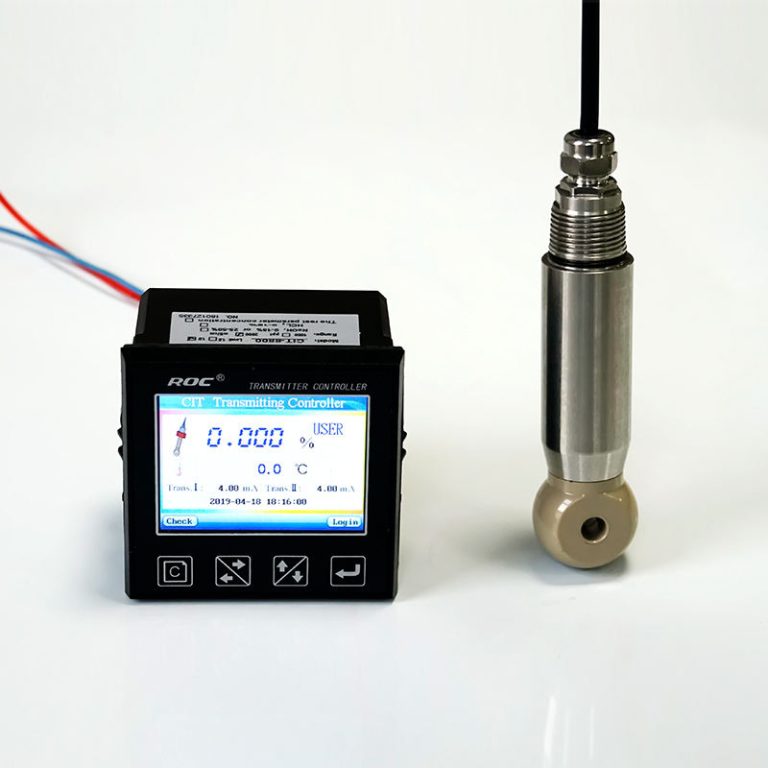
Continuous inline monitoring beats periodic laboratory testing for food manufacturing water quality management. Inline sensors measure water quality in real time, so contamination events trigger immediate detection and rapid corrective action—hours-of-drag lab cycles leave windows where contaminated product keeps being made. Food safety practitioners broadly recognize this, which is why continuous monitoring of critical water parameters is increasingly written directly into facility HACCP and audit programs.
Multi-parameter monitoring systems capture the full range of water quality information needed for food safety management. Essential parameters include pH, conductivity, dissolved oxygen, turbidity, oxidation-reduction potential, and chlorine residuals for microbiological control. Advanced platforms add sensors for specific contaminant classes based on facility risk assessments and local water supply characteristics. Shanghai ChiMay’s multi-parameter monitoring solutions support simultaneous measurement of 12 or more water quality indicators, giving comprehensive quality data from single installation points.
Data management turns raw sensor readings into usable information for operations and quality teams. Alarm configurations notify responsible personnel when measurements leave acceptable ranges; trend analysis identifies gradual changes that indicate developing problems. Integration with facility PLC systems enables automated process responses—valve positioning, pump control, and diversion valve activation when water quality measurements indicate contamination.
Shanghai ChiMay’s Water Quality Solutions
Shanghai ChiMay provides water quality monitoring solutions designed specifically for food manufacturing. The portfolio includes inline sensors for the critical water quality parameters, from pH and conductivity to advanced monitoring of specific contaminants. Sensor designs emphasize sanitary construction, chemical resistance, and the long-term stability food processing environments demand.
The company’s 4-in-1 multi-parameter sensors combine multiple measurements in a single installation point, cutting complexity and maintenance compared to individual sensors. Combined sensors simplify calibration, minimize probe inventory, and reduce installation cost while delivering comprehensive monitoring. Shanghai ChiMay’s application engineering team supports sensor selection, installation planning, and system integration for facilities building new monitoring programs.
Quality assurance documentation capabilities support regulatory compliance and third-party audits. Sensor systems generate complete measurement records—calibration data, maintenance activities, alarm events—providing the traceability documentation that food safety certification programs require. Shanghai ChiMay’s solutions help food manufacturers protect product quality, ensure consumer safety, and maintain operational profitability through effective water quality management.
Bottom Line
Water quality deserves priority attention in food manufacturing because water touches every part of production and directly determines product safety and quality outcomes. Contamination risks create immediate food safety concerns; water quality failures generate substantial economic consequences through recalls, production losses, and brand damage. Food manufacturers running comprehensive inline water quality monitoring programs protect consumers, keep operations running, and build durable competitive advantage through superior quality assurance. Shanghai ChiMay’s application-focused monitoring solutions provide the technology foundation for effective water quality management in food processing environments.