It seems we can’t find what you’re looking for. Perhaps searching can help.

Other Related Posts

How EC Sensors Help Farmers Cut Fertilizer Waste by One-Third

How EC Sensors Help Farmers Cut Fertilizer Waste by One-Third Key Takeaways: – Electrical conductivity (EC) monitoring enables precision nutrient management that reduces fertilizer waste by 28-34% according to Agronomy Journal (2024) – Real-time EC sensors detect nutrient concentration changes within 30 seconds, versus 4-24 hours for laboratory analysis – Automated fertigation systems with EC…
do water softeners change ph

do water softeners change ph

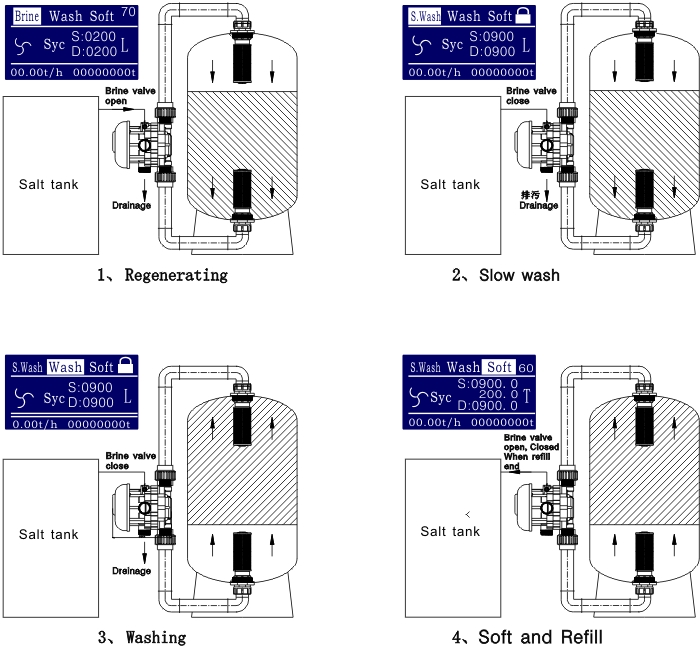
“Transforming Hard Water into Soft, Balanced Bliss: Discover the pH-Enhancing Power of Water Softeners.” The Impact of Water Softeners on pH Levels Water softeners are commonly used in households to remove minerals such as calcium and magnesium from hard water. These minerals can cause a variety of issues, including scale buildup in pipes and appliances,…

Strategic Sourcing of Water Softener Valves: What Industrial Buyers Need to Know

Key Takeaways The global industrial water softener valve market reached $2.4 billion in 2025, with demand driven by tightening discharge regulations and water reuse mandates across manufacturing sectors Valve selection errors account for $40,000–$180,000 in unplanned downtime and resin replacement costs per installation over a 5-year operating period Up-flow regeneration design delivers 15–22% lower salt…

7 Ways AI-Powered Water Quality Sensors Improve Process Control

7 Ways AI-Powered Water Quality Sensors Improve Process Control Key Takeaways: – AI-powered water quality monitoring reduces process deviations by 40-60% compared to traditional control approaches – Predictive maintenance algorithms achieve 80% accuracy in forecasting sensor maintenance needs – Machine learning integration improves chemical dosing efficiency by 20-30% in water treatment applications – Shanghai ChiMay…