
It seems we can’t find what you’re looking for. Perhaps searching can help.

Other Related Posts

How Can Industries Achieve 95% Water Recovery Without Compromising Quality?

Key Takeaways Industries achieving 95% water recovery reduce freshwater consumption by $2.1 million annually on average Advanced treatment trains combining membrane processes and advanced oxidation enable high recovery rates Real-time monitoring systems provide 99.2% uptime for optimized recovery operations Capital investment in high-recovery systems typically achieves 18-36 month payback Zero liquid discharge (ZLD) systems can…
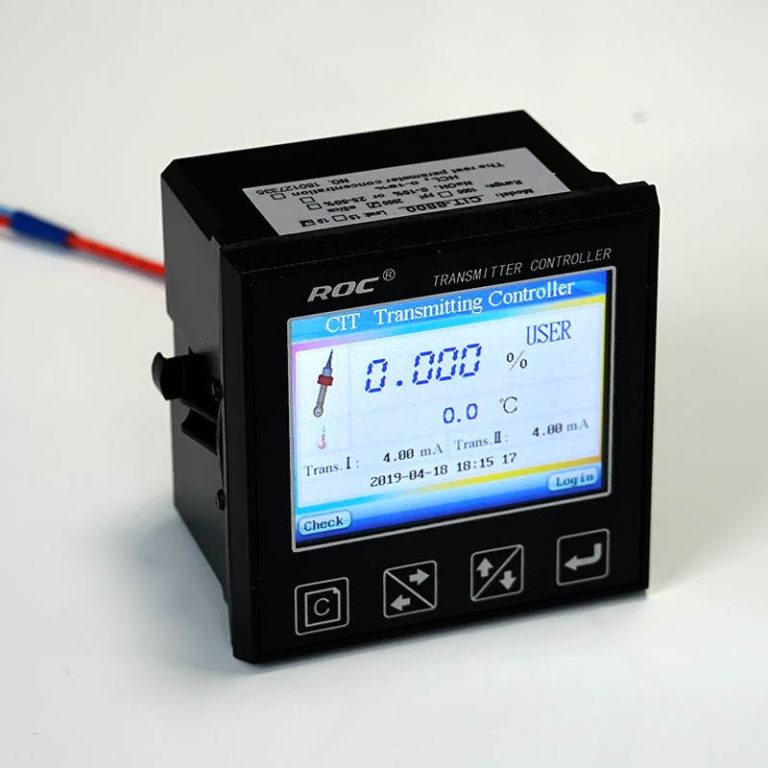
pH Fluctuations in Aquaculture: Impact on Fish Health and Detection Methods

Key Takeaways pH values outside optimal ranges reduce fish growth rates by 15-40% and increase feed conversion ratios by 0.2-0.5 units The aquaculture industry loses approximately $850 million annually due to suboptimal pH management Continuous pH monitoring reduces pH-related production losses by 75% compared to periodic sampling ChiMay's pH sensors achieve ±0.05 units accuracy with…

do600 extech

do600 extech

“Experience precision with the do600 Extech.” Benefits of Using DO600 Extech for Environmental Monitoring Environmental monitoring is a crucial aspect of ensuring the health and safety of our planet. With the increasing concerns about climate change and pollution, it has become more important than ever to closely monitor the quality of our air, water, and…

Total Cost Comparison: In-House vs Outsourced Water Treatment for Power Generation

Total Cost Comparison: In-House vs Outsourced Water Treatment for Power Generation Key Takeaways In-house water treatment programs cost an average of $0.08-0.15 per kilowatt-hour of generation capacity in operational expenses Outsourced treatment contracts typically range from $0.06-0.12 per kWh but require 15-25% management overhead for contractor oversight Hybrid models combining internal monitoring with external chemical…

5 Ways Smart Sensors Reduce Water Treatment Costs by 30%

5 Ways Smart Sensors Reduce Water Treatment Costs by 30% Key Takeaways Smart sensor adoption reduces water treatment operational costs by 25-35% on average Predictive maintenance enabled by smart sensors extends equipment life by 40% Automated control based on continuous sensor data eliminates $85,000 annual chemical waste Real-time monitoring reduces compliance violations by 75%, avoiding…
