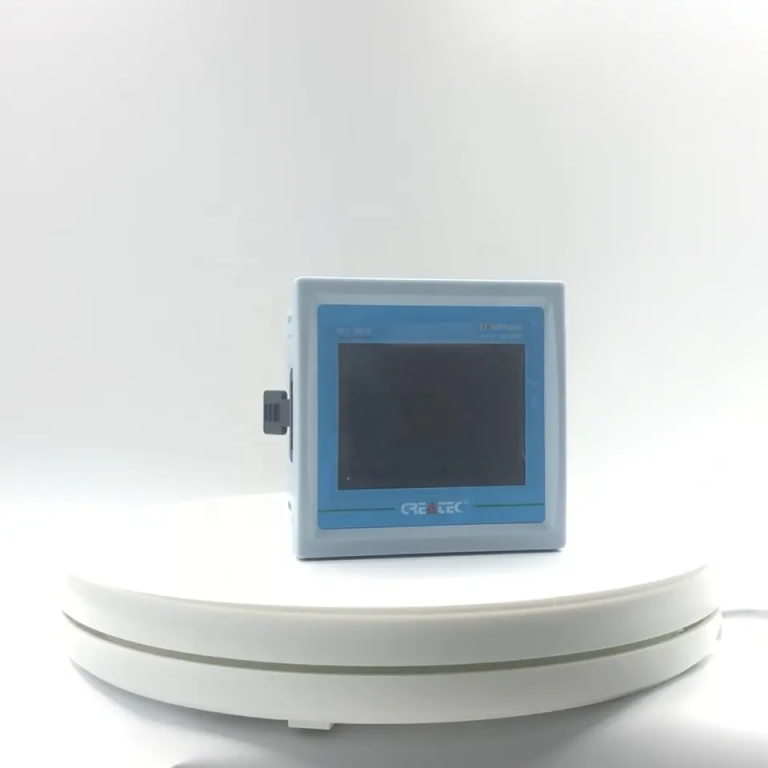
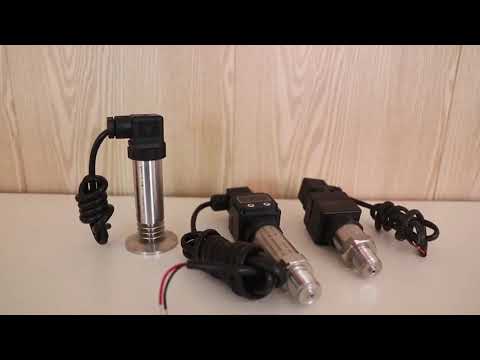
Dissolved oxygen is the parameter that decides whether a pond’s fish crop grows or dies. Fish, shrimp, and the bacteria that process waste all compete for the same oxygen supply, and that supply swings through the day and through the water column. Continuous dissolved oxygen monitoring turns an intermittent, guesswork-based management routine into a control operation. Shanghai ChiMay builds dissolved oxygen transmitters for aquaculture and industrial water applications.
Table of Contents
Understanding Dissolved Oxygen Dynamics in Aquaculture Ponds
Dissolved oxygen in a pond is the net result of production and consumption. Algae and phytoplankton generate oxygen through photosynthesis during daylight hours, while respiration by fish, plankton, and bacteria consumes it around the clock. The imbalance between the two processes—not the absolute oxygen level—explains why ponds swing so widely between afternoon supersaturation and pre-dawn deficit.
Ponds with heavy algae populations are the most volatile. A dense bloom can push dissolved oxygen above saturation in the afternoon and strip it below the stress threshold before sunrise. Because respiration continues through the night while photosynthesis stops, the daily minimum typically occurs in the hours before sunrise—usually two to four hours ahead of first light.
Several factors shape how severe that minimum becomes:
- Water temperature. Warmer water holds less dissolved oxygen, and it simultaneously raises fish metabolic demand. Summer is the hardest season on both counts.
- Algal density. More biomass means more oxygen produced by day and more consumed at night.
- Organic loading. Feed and waste stimulate bacterial respiration, which draws down oxygen independently of the fish.
- Stratification. Warm surface water sitting over cooler bottom water stops mixing, so the oxygen produced at the surface never reaches the bottom layer.
- Weather. Overcast days cut photosynthesis; a sudden cold front or heavy rain can turn over a stratified pond and distribute oxygen-poor bottom water through the water column.
The physiological thresholds matter as much as the averages. Below roughly 3 mg/L, fish show measurable stress: appetite drops, growth slows, and the immune response weakens, making opportunistic infections more likely. Between 3 and 5 mg/L, production is reduced even when mortality does not occur. Most production species perform best with dissolved oxygen held between 5 and 8 mg/L. Levels above about 10 mg/L represent wasted aeration energy rather than any benefit to the stock. Recognising that oxygen stress precedes visible mortality by hours is what makes continuous monitoring worth the investment—by the time fish are gasping at the surface, the loss is already under way.
1. Continuous Monitoring Removes the Blind Spots in Manual Sampling
Manual dissolved oxygen checks with a handheld meter capture a single point in time and space. The pond changes between rounds, particularly overnight, and readings taken at a convenient hour systematically miss the pre-dawn minimum that matters most. A pond that measures 6 mg/L at mid-morning may have dropped to 2 mg/L four hours earlier.
Continuous monitoring at fixed depths closes that gap. The data record shows what the pond actually did overnight, which is the information needed to size aeration correctly and to decide whether night-time aeration is required. Over a season, the oxygen record becomes the basis for stocking density decisions, feed management, and aeration scheduling.
Fixed-depth sensors matter as much as continuous logging. In a stratified pond, surface and bottom oxygen can differ by several mg/L, and the bottom layer is where fish, shrimp, and the beneficial bacteria in the sediment actually live. Monitoring the surface alone gives a falsely reassuring picture.
2. Precision Aeration Control Reduces Energy Costs
Aeration is usually the largest single electricity consumer on a fish or shrimp farm, typically accounting for a substantial share of the site’s total energy bill. Most farms run aerators on a fixed schedule because they have no continuous oxygen data to act on, which means aerating when the pond does not need it and, on the days that matter, aerating less than the pond does.
Controlling aeration from a dissolved oxygen setpoint changes the economics in two directions at once. Aerators run when oxygen falls toward the setpoint and stop when the pond recovers, so the same equipment delivers more protection while consuming fewer kilowatt-hours. The savings are largest on farms that previously ran equipment around the clock as insurance, and they scale with the number of aerators and the length of the season.
There is a secondary benefit that is easy to overlook: running aeration equipment less reduces mechanical wear, which extends the interval between impeller, gearbox, and motor replacements. Lower running hours also reduce maintenance labour during the season.
3. Early Stress Detection Prevents Disease Outbreaks
Oxygen stress and disease are connected. The physiological cascade starts with a rise in stress hormones, which suppresses appetite and diverts energy away from growth and immune function. A fish held at 3 mg/L for a week may show no external symptoms, but it is far more vulnerable to a pathogen that a healthy fish would resist.
Once an outbreak begins, treatment costs money in several ways: medicated feed, veterinary input, labour for treatment application, and losses from reduced feeding during the treatment period. Disease treatment for pond aquaculture commonly runs into a meaningful cost per kilogram of fish produced, and the figure varies so widely between species, systems, and markets that the right approach is to measure it against the operation’s own production records rather than to apply a general number.
Continuous oxygen monitoring supports disease prevention in a way that periodic checks cannot. Rising oxygen variability, increasing night-time demand, or a fall in the daily minimum frequently precede a mortality event by days. An operator who sees that trend can reduce feeding, increase aeration, and correct the water condition before the fish are compromised.
4. Feed Conversion and Growth Performance
Feed is the largest operating cost in most aquaculture operations, and feed conversion depends directly on oxygen availability. Fish fed in well-oxygenated water consume the ration and convert it efficiently; fish fed under oxygen stress eat less, digest poorly, and convert feed at a worse ratio.
Feeding management and oxygen management are therefore the same decision. Feeding into a pond whose oxygen is already falling toward the night-time minimum adds to the oxygen demand at exactly the wrong time, while feeding during a rising oxygen trend in the morning leverages the pond’s natural capacity to process waste.
There is also a welfare and productivity argument for holding oxygen steady rather than letting it oscillate. Fish held in a stable, adequately oxygenated environment feed more consistently and grow more uniformly, which simplifies harvest planning. Operations that move from intermittent checks to continuous monitoring and use the data to schedule both aeration and feeding report better growth performance per unit of feed, though the size of the gain depends heavily on the starting point and how the farm uses the data.
5. Better Data for Decisions and Compliance
Aquaculture operations are under increasing scrutiny over discharge water quality and record keeping. Dissolved oxygen records support several practical needs:
- Pond management records showing that aeration was operated as designed during a mortality event, which matters for insurance and for internal diagnosis
- Discharge reporting where permits require evidence of water quality management
- Stocking and harvest planning based on the site’s actual oxygen-carrying capacity
- Troubleshooting when a pond underperforms, using the oxygen record to separate a water quality problem from a disease or feed problem
Shanghai ChiMay dissolved oxygen transmitters provide the stable measurement these records depend on.
Integrating Dissolved Oxygen with Other Parameters
Dissolved oxygen does not vary on its own, and correlating it with other measurements sharpens the diagnosis:
- High conductivity reduces oxygen solubility, so the same aeration effort delivers less oxygen in saline or mineral-rich water
- Low pH shifts the ammonia equilibrium toward the toxic un-ionized form, so a low-pH event compounds oxygen stress
- High temperature cuts oxygen solubility and raises metabolic demand at the same time
- Turbidity and algal density predict the size of the daily oxygen swing
Multi-parameter monitoring platforms that include dissolved oxygen, pH, conductivity, and temperature give a coherent picture of pond conditions rather than a set of unrelated readings.
Conclusion
Dissolved oxygen is the parameter a pond operator can still act on. Continuous monitoring at fixed depths shows what the pond did overnight, drives aeration from a setpoint instead of a schedule, and gives warning of stress before mortality. The investment pays back through reduced aeration energy, better feed conversion, and fewer loss events.
Shanghai ChiMay supplies dissolved oxygen transmitters, sensors, and multi-parameter water quality monitoring instruments for aquaculture and industrial water applications.