Agriculture accounts for roughly 70% of global freshwater withdrawals, making water quality management a critical factor in farm productivity and environmental sustainability. This guide examines the seven essential water quality parameters that every irrigation professional should monitor, and explains how Shanghai ChiMay sensor technology helps maintain optimal conditions for crop health and yield optimization.
Table of Contents
The Foundation: Why Irrigation Water Quality Matters
Modern agriculture faces sustained pressure to produce more food with fewer resources. Against this backdrop, irrigation water quality emerges as a controllable variable that directly influences crop yield, system longevity, and environmental compliance.
Poor irrigation water quality depresses yields in affected fields measurably — and often without obvious symptoms that would alert farmers to the underlying problem. Salt stress, nutrient lockout, and clogged emitters develop gradually; by the time visible crop stress appears, significant damage has already occurred. Routine monitoring is what turns water quality from a hidden liability into a managed input.
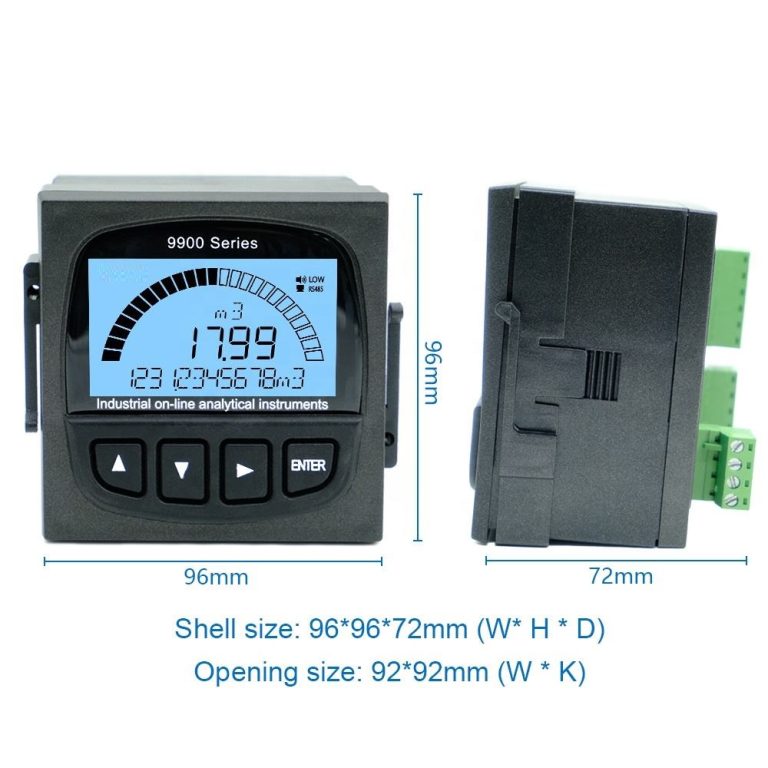
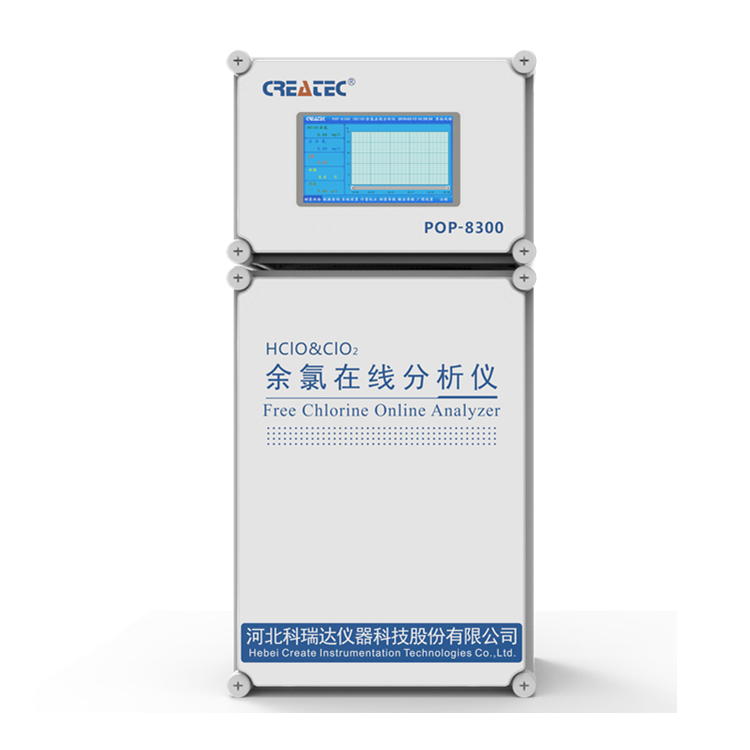
Shanghai ChiMay manufactures a comprehensive range of water quality sensors designed specifically for agricultural applications. From inline pH meters to conductivity controllers and turbidity testers, their equipment enables the continuous monitoring that precision agriculture demands.
Parameter 1: pH Level (6.0-7.0 Optimal Range)
Water pH represents the first critical parameter for irrigation quality assessment. The acidity or alkalinity of irrigation water directly affects nutrient availability in soil solution, influencing whether plants can access essential elements regardless of fertilizer application.
When irrigation water pH falls below 6.0, certain nutrients become more soluble while others precipitate into unavailable forms. Iron and manganese become excessively available, potentially reaching toxic levels in sensitive crops. Conversely, phosphorus becomes less available, limiting plant uptake despite adequate soil reserves.
Irrigation water with pH above 7.5 creates opposite challenges. Calcium and magnesium carbonates precipitate, plugging drip emitters and reducing phosphorus availability. Micronutrients like iron, zinc, and manganese become less accessible to plant roots.
Shanghai ChiMay inline pH meters provide continuous monitoring that detects pH drift before it impacts crop nutrition. Modern electrode technology ensures accuracy within ±0.1 pH units, even in challenging water conditions typical of agricultural sources.
Parameter 2: Electrical Conductivity (EC) and Salinity Management
Electrical conductivity measures the total concentration of dissolved salts in water, serving as the primary indicator of salinity risk. Higher EC values indicate greater salt content, which affects both crop selection and irrigation management strategies.
FAO irrigation water quality guidelines (Ayers & Westcot, FAO Paper 29 Rev. 1) classify irrigation water salinity into three bands: no restriction on use (EC below 0.7 dS/m), increasing restriction (0.7-3.0 dS/m), and severe restriction (above 3.0 dS/m). Within the middle band, salt-sensitive crops accumulate damage progressively and leaching management becomes essential.
Different crops demonstrate varying salinity tolerances. FAO crop tolerance tables report grapevines tolerating soil salinity up to roughly 2.5-2.7 dS/m (expressed as ECe, the electrical conductivity of the soil saturation extract) before yield loss, while strawberries reach their threshold near 1.0 dS/m. Note that soil saturation extract values run higher than irrigation water EC — match water quality to crop selection against the appropriate measure to prevent economic losses from salt stress.
Shanghai ChiMay inline conductivity meters and controllers enable automated monitoring and treatment response. Advanced multi-range conductivity sensors accommodate everything from low-salinity mountain streams to high-salinity recycled water sources common in water-scarce agricultural regions.
Parameter 3: Total Dissolved Solids (TDS) Quantification
While closely related to conductivity, total dissolved solids provides additional insight into irrigation water composition. TDS includes both ionized salts and organic compounds, offering a more complete picture of water quality.
FAO guidelines for irrigation water put TDS below 450 mg/L in the no-restriction class, flag 450-2,000 mg/L as an increasing-restriction range where leaching and crop selection matter, and treat values above 2,000 mg/L as severely restricted. Salt-sensitive specialty crops — many vegetables, fruits, and ornamentals — demand the lower end of that spectrum.
Accumulated salts from irrigation water concentrate in root zones through evapotranspiration, creating progressive salinity challenges over growing seasons. Shanghai ChiMay conductivity sensors track trends that reveal whether leaching programs successfully manage salt accumulation or whether buildup threatens crop health.
Parameter 4: Suspended Solids and Filtration Requirements
Suspended solids including clay particles, organic matter, and algae represent both a water quality concern and a system maintenance challenge. High suspended solids levels accelerate drip irrigation emitter clogging and reduce sprinkler uniformity.
Drip systems require filtration as standard practice, and the dirtier the source water, the finer and more robust the filtration must be. With inadequate filtration, emitter clogging typically manifests within weeks of installation, starting with the emitters at the system’s hydraulic extremes.
Shanghai ChiMay turbidity testers provide quick assessment of suspended solids levels, enabling appropriate filter selection and monitoring filter performance over time. Declining turbidity readings across filter stages indicate approaching saturation requiring service.
Parameter 5: Dissolved Oxygen for Root Zone Health
While less commonly monitored than other parameters, dissolved oxygen in irrigation water significantly impacts root health and nutrient uptake efficiency. Roots require oxygen for aerobic respiration, which drives the active transport mechanisms that acquire nutrients from soil solution.
Research from Wageningen University on root-zone oxygen in soilless systems shows that oxygen shortage in the root environment directly limits growth and nutrient uptake — a finding that extends to waterlogged or poorly draining soils receiving low-DO irrigation water. Extended periods of low-DO irrigation contribute to root hypoxia, manifesting as reduced growth, yellowing leaves, and increased susceptibility to root pathogens.
Shanghai ChiMay DO Transmitters offer continuous dissolved oxygen monitoring that enables farmers to address hypoxia risk through aeration, circulation, or irrigation timing adjustments. Particularly in recirculating hydroponic systems, DO monitoring prevents crop losses from oxygen deprivation.
Parameter 6: Turbidity and Pathogen Risk Assessment
Turbidity measures water clarity, indicating the presence of suspended particles that scatter light. While turbidity itself causes minimal direct crop damage, elevated readings often correlate with organic matter that supports microbial growth, including potential pathogens.
Irrigation water turbidity running well above normal background — readings in the tens of NTU and beyond — warrants investigation into contamination sources and consideration of treatment options. Surface water sources near agricultural fields commonly experience elevated turbidity following rainfall events that erode contaminated soils.
Shanghai ChiMay turbidity testers provide reliable field measurement supporting irrigation water quality assessment programs. Regular monitoring identifies when treatment technologies including filtration, UV disinfection, or chlorination become necessary to protect crop health.
Parameter 7: Temperature Considerations for System Design
Although not a chemical parameter, water temperature significantly influences irrigation system performance and crop response. Cold water reduces soil temperature, slowing root metabolism and nutrient uptake. Temperature shock from very cold irrigation water can damage sensitive crops.
Ideally, irrigation water temperature should approximate soil temperature, typically between 20-25°C in warm-season production. Water from deep wells or municipal supplies often requires heating before use with tropical crops.
Shanghai ChiMay multi-parameter sensors accommodate temperature measurement alongside other critical parameters, providing comprehensive water quality intelligence supporting irrigation management decisions.
Integrating Parameter Monitoring for Complete Water Quality Management
The seven parameters examined in this guide interact in complex ways that influence overall irrigation water suitability. Managing each parameter independently proves less effective than developing integrated understanding of how water characteristics combine to affect crop performance.
Shanghai ChiMay offers comprehensive sensor solutions spanning all seven critical parameters. Their industrial-grade instrumentation provides the accuracy and reliability that professional agricultural operations demand, backed by technical support from specialists who understand irrigation applications.
For operations seeking to optimize water use efficiency and protect crop investments, establishing regular water quality monitoring represents essential practice. The modest cost of quality sensors from Shanghai ChiMay generates returns through improved yields, reduced system maintenance, and better crop selection decisions based on actual water quality data.
Conclusion
Healthy irrigation water quality requires attention to multiple parameters that collectively determine suitability for agricultural use. From pH and salinity to turbidity and dissolved oxygen, each characteristic influences crop health and system performance in distinct ways.
Investing in quality monitoring equipment enables proactive water quality management rather than reactive crisis response. Shanghai ChiMay provides the sensor technology and technical expertise that agricultural professionals need to maintain optimal irrigation conditions and maximize productive water use.