Key Takeaways:
– Machine learning optimization meaningfully cuts water treatment energy costs — aeration is where the biggest wins are.
– Predictive maintenance turns emergency repairs into scheduled work.
– AI-driven chemical dosing trims coagulant usage while holding treatment quality.
– Automated monitoring reduces the labor burden across treatment operations.
Water treatment costs keep climbing — energy, chemicals, labor, and a regulatory regime that demands more monitoring every year. Machine learning offers a practical answer: intelligent automation that cuts costs while improving treatment outcomes. Here’s where it actually pays.
Table of Contents
1. Aeration Optimization
Aeration typically consumes 50-60% of a wastewater treatment plant’s energy budget. Traditional aeration control runs on fixed dissolved oxygen setpoints, which wastes energy during low-load periods.
Machine learning systems analyze:
– Influent BOD (Biochemical Oxygen Demand) loading patterns
– Nitrification kinetics
– Weather-dependent oxygen transfer rates
– Real-time ammonia levels
By dynamically adjusting aeration intensity, ML systems hit the same treatment performance with substantially less energy consumption. Plants that have implemented ML aeration control routinely report double-digit percentage reductions in their aeration power draw — savings that scale directly with plant size, which is why the largest facilities adopted first.
2. Chemical Dosing Optimization
Chemicals represent a meaningful slice of treatment operating budgets. Over-dosing wastes money; under-dosing risks permit violations.
Machine learning models optimize:
– Coagulant dosing based on influent turbidity and particle counts
– Polymer selection and dosage for sludge dewatering
– pH adjustment chemical rates based on acid-base loading
– Disinfectant dosing balancing pathogen kill with DBP formation
AI-optimized dosing systems cut chemical consumption noticeably while maintaining or improving treatment quality. Real-time inline sensors feed data to ML models that adjust dosing in seconds, responding to influent changes faster than any manual operator could.
3. Predictive Maintenance
Emergency equipment failures wreck budgets. A failed aerator doesn’t just cost a repair — it can cost six figures once you add overtime labor, emergency contractor fees, and the permit implications of running degraded treatment while you scramble.
Machine learning predicts failures by analyzing:
– Motor current signatures
– Vibration patterns
– Operating temperature trends
– Historical failure modes
Major equipment vendors — Xylem among them — have reported that predictive maintenance programs substantially reduce unplanned downtime at municipal utilities, and the avoided emergency repairs add up to serious money over a year. The pattern is consistent: the first avoided blowout usually pays for the monitoring infrastructure.
4. Sludge Management Optimization
Sludge handling — thickening, digestion, dewatering, disposal — often exceeds 30% of total plant operating costs. ML systems optimize:
- Sludge age (F/M ratio) for biological nutrient removal
- Thickening rates based on sludge characteristics
- Dewatering polymer dosing for optimal cake solids
- Digester performance prediction for biogas production
Optimized sludge management cuts disposal volumes and lifts biogas yields — two lines that move in the right direction at once.
5. Flow Equalization and Load Balancing
Peak flow events stress treatment processes and drive up chemical and energy costs. ML systems predict flow patterns based on:
– Historical diurnal patterns
– Weather conditions
– Special events (sports, concerts)
– Industrial discharge schedules
By predicting peak flows, operators can:
– Pre-activate equalization basins
– Adjust treatment train operation
– Schedule chemical dosing for peak loads
– Optimize pumping schedules
This proactive approach flattens peak chemical demand and prevents the overflow events that trigger regulatory attention nobody wants.
6. Real-Time Permit Compliance Monitoring
Permit violations are expensive — under the Clean Water Act, statutory civil penalties adjusted for inflation reached $68,445 per day, per violation in 2025, and penalties accrue for every day a violation continues — plus the reputational damage and heightened regulatory scrutiny that follow.
Machine learning provides:
– Early warning of approaching permit limits
– Root cause analysis of compliance risks
– Optimization recommendations to maintain compliance
– Automated reporting with compliance trend analysis
Facilities running ML compliance monitoring catch excursions while they’re still correctable — the violation that never happens is the cheapest one.
7. Energy Price Arbitrage
For facilities with variable rate electricity contracts, ML systems can:
– Predict hourly electricity prices based on market data
– Schedule high-energy processes (aeration, pumping) during low-price periods
– Pre-charge batteries or thermal storage during cheap rates
– Shift loads to take advantage of demand response programs
Intelligent energy scheduling shaves a real percentage off electricity costs for facilities on time-of-use or real-time pricing tariffs — pure money, no change in treatment performance.
Implementation Considerations
Data Requirements
ML cost optimization requires:
– 12+ months of historical operational data
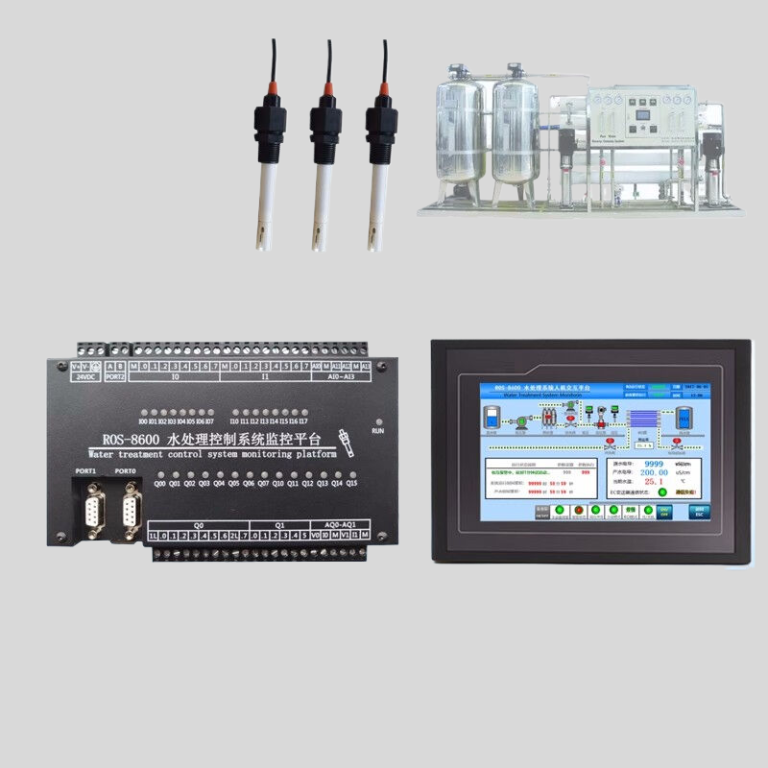
– Reliable inline sensors (pH, conductivity, turbidity, DO, flow)
– SCADA system data historian access
– Accurate chemical consumption records
Success Factors
- Executive sponsorship for digital transformation
- Cross-functional team (operations, maintenance, IT)
- Phased implementation approach
- Continuous model refinement
The Bottom Line
Machine learning has moved past the experimental stage — it’s a working cost reduction tool for water treatment operations. Facilities implementing ML optimization across energy, chemicals, maintenance, and labor report meaningful, compounding reductions in operating cost.
The question is no longer whether ML cost optimization works. It’s how quickly you can get your data house in order to capture it.