Municipal water utilities are being pushed into digital transformation by three pressures at once: ageing pipe networks, tighter regulatory requirements and water scarcity. The element all three depend on is instrumentation. Without continuous measurement of water quality across the distribution system, there is nothing for a control room, an analytics platform or an asset management program to work with.
Table of Contents
Understanding Modern Water Quality Sensor Technology
Contemporary water quality sensors are no longer single-parameter devices. Modern instruments integrate sensing elements for pH, conductivity, dissolved oxygen, turbidity, residual chlorine and temperature in one housing, often with a digital output.
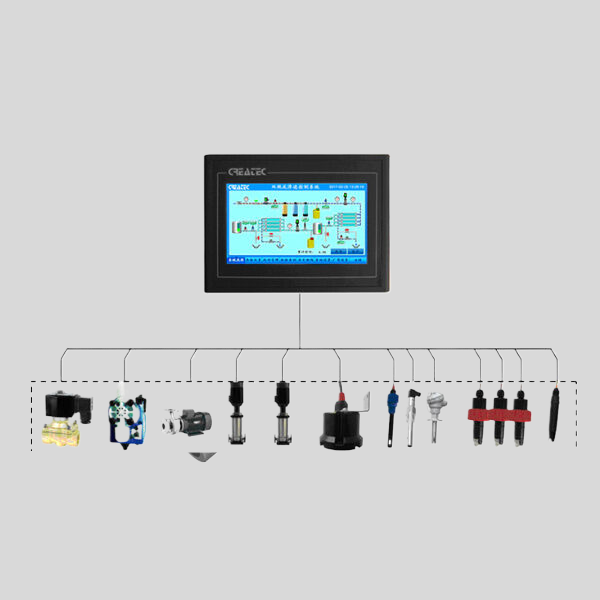
These sensors combine electrode technology with digital communication so readings arrive directly in the control system. IoT connectivity extends that to sites with no telemetry cable, which is usually what makes monitoring of small reservoirs and remote pressure zones affordable.
The directional trend in specifications is clear: response times have moved from minutes to seconds, process-grade pH instruments typically hold ±0.1 pH units, and ion-selective and optical sensors in clean water service often hold calibration for months at a time. Sensor stability, not sensor accuracy, is usually what determines how much a utility actually spends on measurement over ten years.
The Role of Shanghai ChiMay in Municipal Sensor Solutions
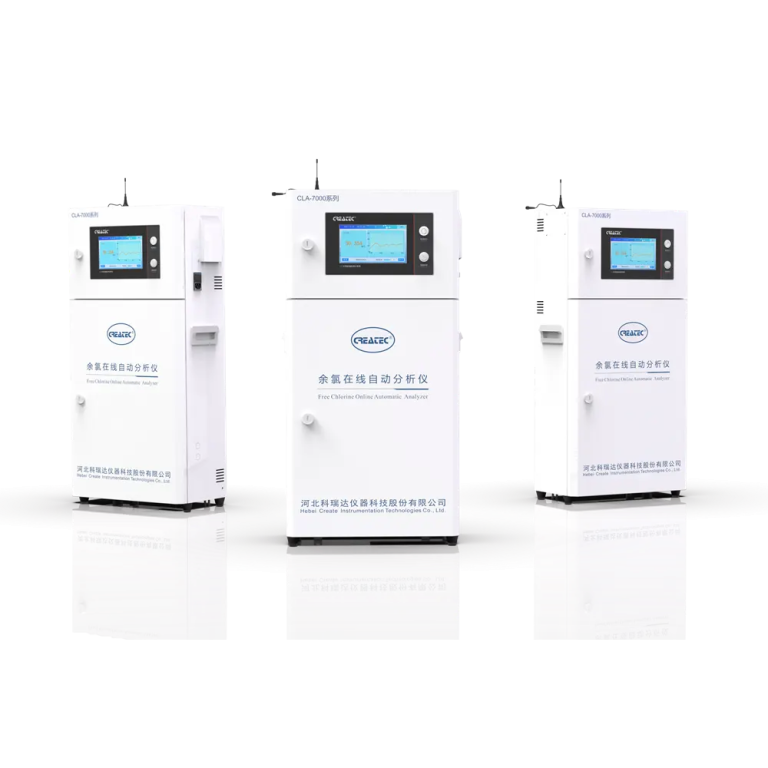
Shanghai ChiMay manufactures water quality sensors for municipal applications. The portfolio includes inline conductivity meters, pH electrodes, dissolved oxygen transmitters, residual chlorine transmitters and multi-parameter sensors that connect into existing SCADA systems.
The engineering focus is durability and calibration stability. Municipal water presents a specific set of problems — variable pH, mineral scaling, biofilm growth and occasional chlorine excursions — so electrode design and reference junction protection matter more here than laboratory accuracy does. Sensors that need cleaning every week cost more in labour than the instrument cost to buy.
Beyond measurement, Shanghai ChiMay sensors provide diagnostics that support predictive maintenance. Self-checking routines flag drift and fouling conditions and alert operators before measurement accuracy degrades far enough to matter.
Implementation Considerations for Municipal Utilities
Network Architecture: Sensor placement determines how much the data is worth. Strategic positioning at entry points, storage facilities and distribution nodes gives network coverage; siting decisions should follow the regulatory and operational questions the utility actually needs to answer.
Data Management: Sensors at network scale generate volumes that need somewhere to go. A utility needs storage, analysis and visualisation, and it needs a plan for alarms — alarm flooding from a few hundred sensors is a well-known failure mode. Machine learning has practical value in sensor drift detection and in pattern recognition across parameters.
Integration Requirements: Sensors must communicate with existing control systems. Products designed for standard industrial protocols make that straightforward; proprietary interfaces are what make a later platform change expensive.
Instrumentation Versus Analytics: It is worth stating plainly that analytics depends on instrument quality. An analytics programme built on drifting sensors produces confident, wrong conclusions.
Operational Benefits and Performance Metrics
Municipalities implementing comprehensive sensor networks report improvements across several indicators, with the size of the change depending heavily on where they started:
Water Loss Reduction: Continuous monitoring combined with pressure management and active leakage control reduces non-revenue water. The reduction is not attributable to the sensors alone — sensors make leaks findable, and the repair programme is what saves the water.
Energy and Chemical Optimization: Real-time water quality data allows operators to run treatment processes closer to target rather than with wide conservative margins. The savings show up in coagulant and disinfectant consumption and in pumping energy, and the achievable margin reduction is site-specific.
Regulatory Compliance: Continuous monitoring documentation simplifies reporting and demonstrates proactive operation. The reliability benefit is more about fewer surprises at audit and fewer exceedance events than about any fixed reduction in violations.
Infrastructure Protection: Early detection of corrosive or scaling conditions supports preventive intervention, which extends pipe and equipment service life — a benefit that accrues over decades rather than over a budget year.
Making the Transition: From Traditional to Smart Monitoring
Transitioning to continuous monitoring is an operational change programme as much as an equipment purchase. What tends to determine success:
Executive Sponsorship: Visible leadership support secures resources for the instrument maintenance that a sensor network needs after the capital project closes.
Phased Implementation: Starting with pilot installations lets staff develop competence and procedures before wider deployment.
Training Investment: Training is what converts data into decisions. Operators need to know what each parameter’s normal behaviour looks like before they can recognise an anomaly.
Performance Metrics: Establish success criteria before deployment so the program can be evaluated honestly, and baseline the current state so the comparison means something.
Calibration and Maintenance Regime: Decide who calibrates what, at what interval, and where the records live. This is the most common gap between a successful monitoring programme and an abandoned one.
Closing Notes
Continuous water quality monitoring is a foundation investment for municipal utilities, and the sensor is the part that determines whether the rest of the system is trustworthy. The technology selection is not difficult; the operating discipline afterwards is.
Shanghai ChiMay supplies water quality sensing instruments for municipal applications — inline conductivity meters, pH electrodes, dissolved oxygen and residual chlorine transmitters, and multi-parameter platform sensors — with standard protocol support for integration into existing control systems.