How to Set Up and Configure an ESPHome Water Flow Sensor for Home Automation
Water flow sensors are a crucial component in any home automation system, allowing you to monitor and control the flow of water in your household. One popular option for integrating water flow sensors into your home automation setup is through the use of ESPHome, an open-source platform that allows for easy configuration and customization of smart devices. In this article, we will guide you through the process of setting up and configuring an ESPHome water flow sensor for your home automation needs.
To begin, you will need to gather the necessary materials for this project. This includes an ESP8266 or ESP32 development board, a water flow sensor, jumper wires, and a breadboard for prototyping. Once you have all the components ready, you can start by connecting the water flow sensor to the development board using the jumper wires. Make sure to follow the pinout diagram provided by the manufacturer to ensure proper connections.
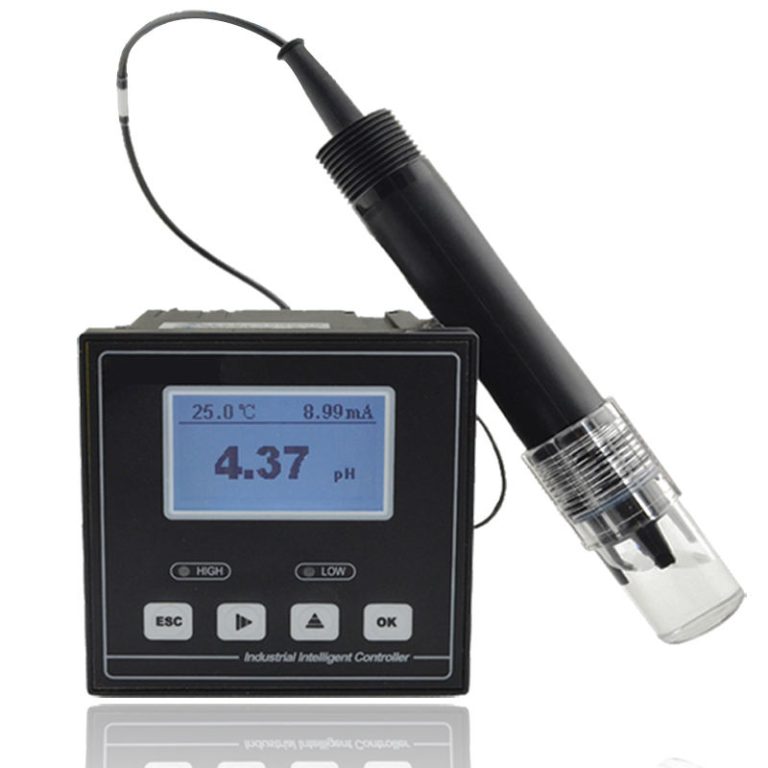
| Model | pH/ORP-9500 pH/ORP Meter |
| Range | 0-14 pH; -2000 – +2000mV |
| Accuracy | ±0.1pH; ±2mV |
| Temp. Comp. | Automatic temperature compensation |
| Oper. Temp. | Normal 0~50℃; High temp 0~100℃ |
| Sensor | pH double/triple sensor; ORP sensor |
| Display | LCD Screen |
| Communication | 4-20mA output/RS485 |
| Output | High/Low limit triple relay control |
| Power | AC 220V±10% 50/60Hz or AC 110V±10% 50/60Hz or DC24V/0.5A |
| Working Environment | Ambient temperature:0~50℃ |
| Relative humidity≤85% | |
| Dimensions | 96×96×132mm(H×W×L) |
| Hole Size | 92×92mm(H×W) |
| Installation Mode | Embedded |
Next, you will need to create a new ESPHome configuration file for the water flow sensor. This can be done using the ESPHome dashboard, which provides a user-friendly interface for configuring and managing your devices. In the configuration file, you will need to define the sensor platform for the water flow sensor and specify the GPIO pins used for input and output.
After configuring the sensor platform, you can define additional parameters such as the calibration factor for the water flow sensor and the unit of measurement for the flow rate. This will allow you to accurately monitor and control the flow of water in your household. Once you have completed the configuration, you can compile the firmware and upload it to the development board using a USB cable.
With the firmware uploaded to the development board, you can now test the water flow sensor to ensure that it is functioning correctly. You can do this by monitoring the output of the sensor in the ESPHome dashboard and observing the flow rate as water passes through the sensor. If everything is working as expected, you can proceed to integrate the water flow sensor into your home automation system.
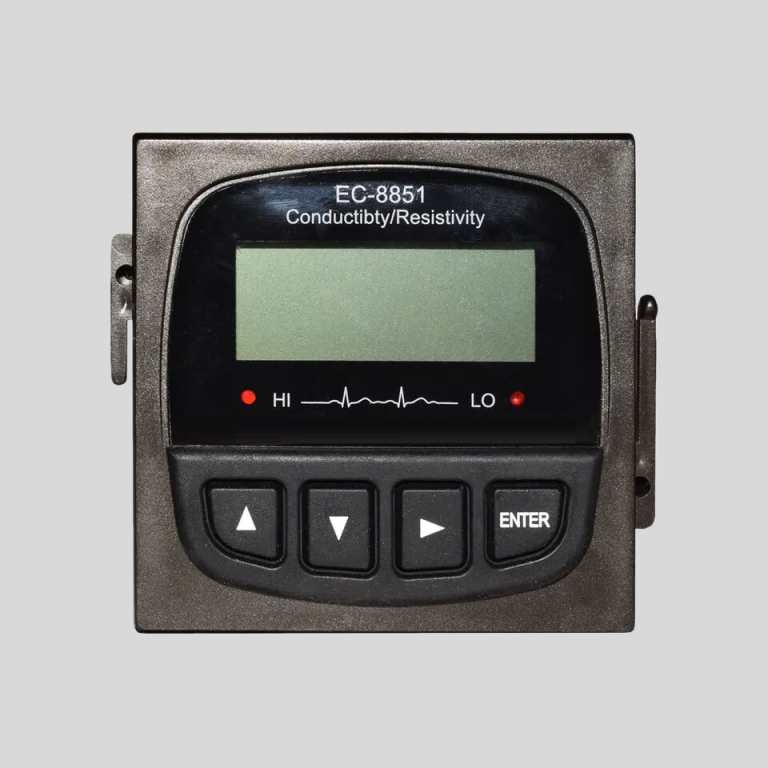
| Model | EC-810 Conductivity/Resistivity Controller |
| Range | 0-200/2000/4000/10000uS/cm |
| 0-20/200mS/cm 0-18.25MΩ | |
| Accuracy | Conductivity:1.5%; Resistivity:2.0%(FS) |
| Temp. Comp. | Automatic temperature compensation based on 25℃ |
| Oper. Temp. | Normal 0~50℃; High temp 0~120℃ |
| Sensor | 0.01/0.02/0.1/1.0/10.0cm-1 |
| Display | LCD Screen |
| Current Output | 4-20mA output/2-10V/1-5V |
| Output | High/Low limit dual relay control |
| Power | AC 220V±10% 50/60Hz or AC 110V±10% 50/60Hz or DC24V/0.5A |
| Working Environment | Ambient temperature:0~50℃ |
| Relative humidity≤85% | |
| Dimensions | 96×96×100mm(H×W×L) |
| Hole Size | 92×92mm(H×W) |
| Installation Mode | Embedded |
One of the key benefits of using ESPHome for home automation is the ability to integrate multiple devices and sensors into a single platform. This allows you to create complex automation routines and scenarios based on the data collected by the water flow sensor. For example, you can set up alerts and notifications for abnormal flow rates, or automate the operation of water pumps and valves based on specific conditions.
In conclusion, setting up and configuring an ESPHome water flow sensor for home automation is a straightforward process that can greatly enhance the functionality of your smart home. By following the steps outlined in this article, you can easily monitor and control the flow of water in your household, leading to improved efficiency and convenience. Whether you are a beginner or an experienced DIY enthusiast, integrating a water flow sensor into your home automation system is a worthwhile investment that can bring numerous benefits to your daily life.