Troubleshooting a Leaking Water Softener Bypass Valve
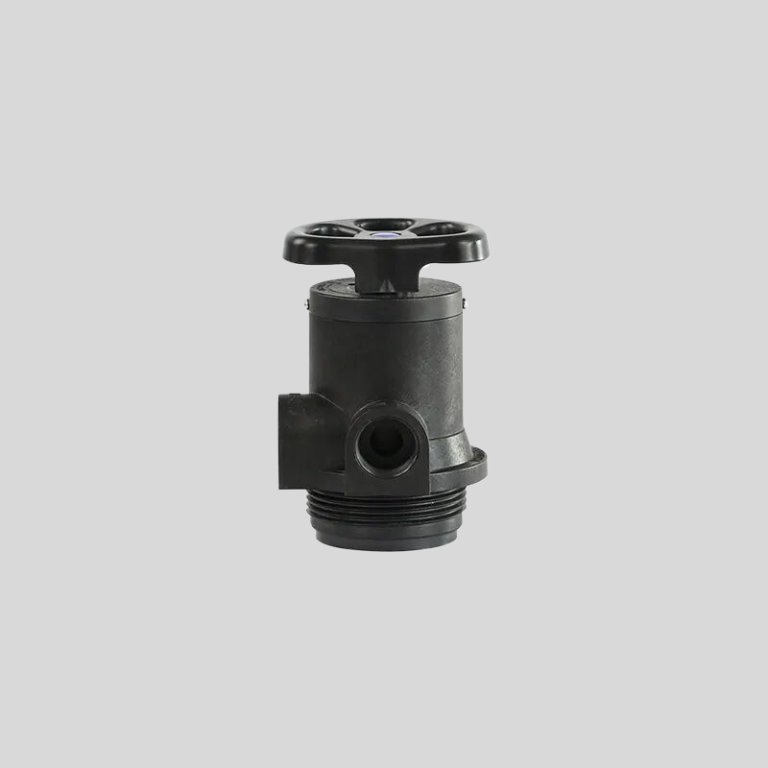
A leaking water softener bypass valve can be a frustrating and potentially costly issue to deal with. The bypass valve is an essential component of a water softener system, allowing you to divert water around the softener when needed. However, if the bypass valve is leaking, it can lead to water wastage, reduced water pressure, and even damage to your property.
| Model | Category | Water Capacity m3/h | LCD | LED | ICON | DIODE |
| ASFU4 | Automatic Softener-Filter All-In-One Valve | 4 | O | X | X | X |
| ASFU4-Y | Automatic Softener-Filter All-In-One Valve | 4 | O | X | X | X |
| ASFU2-C | Automatic Softener-Filter All-In-One Valve | 1 | O | X | X | X |
One of the most common reasons for a leaking water softener bypass valve is a faulty seal. Over time, the seals on the valve can wear out or become damaged, allowing water to escape. If you notice water dripping or pooling around the bypass valve, it is likely that the seals need to be replaced.
To fix a leaking bypass valve, you will first need to shut off the water supply to the softener system. This can usually be done by turning a valve located near the water softener. Once the water supply is turned off, you can remove the bypass valve cover to access the seals. Carefully inspect the seals for any signs of wear or damage, and replace them if necessary.

Another common cause of a leaking water softener bypass valve is a loose or damaged connection. The bypass valve is connected to the water supply line and the softener unit with fittings and connectors. If these connections are loose or damaged, water can leak out. Inspect the connections for any signs of damage or looseness, and tighten or replace them as needed.
In some cases, a leaking bypass valve may be caused by a buildup of sediment or debris inside the valve. This can prevent the valve from sealing properly, leading to leaks. To fix this issue, you can try cleaning the valve with a mixture of water and vinegar to remove any buildup. If the valve is still leaking after cleaning, it may need to be replaced.
If you have tried all of these troubleshooting steps and the bypass valve is still leaking, it may be time to call in a professional. A plumber or water softener technician will be able to diagnose the issue and recommend the best course of action to fix the leak. In some cases, the entire bypass valve may need to be replaced to resolve the problem.
Preventing a leaking water softener bypass valve is key to maintaining the efficiency and longevity of your water softener system. Regular maintenance, such as checking for leaks and replacing worn seals, can help prevent issues before they become major problems. Additionally, investing in a high-quality bypass valve and having it installed correctly can help reduce the risk of leaks in the future.
In conclusion, a leaking water softener bypass valve is a common issue that can be caused by a variety of factors, including faulty seals, loose connections, and sediment buildup. By following the troubleshooting steps outlined in this article, you can identify the cause of the leak and take the necessary steps to fix it. If the issue persists, don’t hesitate to seek professional help to prevent further damage and ensure the continued functionality of your water softener system.