Table of Contents
Benefits of Real-Time Water Quality Monitoring with Chemical Sensors
Real-time water quality monitoring with chemical sensors is a crucial tool in ensuring the safety and sustainability of our water resources. These sensors provide continuous, accurate data on various parameters such as pH, dissolved oxygen, turbidity, and conductivity, allowing for timely detection of contaminants and pollutants in water bodies. By monitoring water quality in real-time, stakeholders can make informed decisions to protect public health and the environment.
One of the key benefits of real-time water quality monitoring with chemical sensors is the ability to detect pollution events as they occur. Traditional water quality monitoring methods often involve collecting samples and sending them to a lab for analysis, which can take days or even weeks to receive results. In contrast, chemical sensors provide instantaneous data, allowing for immediate action to be taken in response to pollution incidents. This rapid response can help prevent further contamination of water sources and minimize the impact on ecosystems and human health.
Furthermore, real-time water quality monitoring with chemical sensors can help identify sources of pollution and track the movement of contaminants in water bodies. By continuously monitoring key parameters, such as nutrient levels and microbial contaminants, stakeholders can pinpoint the origins of pollution and implement targeted remediation strategies. This proactive approach to water quality management can help prevent pollution from spreading and mitigate its effects on aquatic ecosystems.
In addition to detecting pollution events and tracking contaminant sources, real-time water quality monitoring with chemical sensors can also improve the efficiency of water treatment processes. By providing accurate and up-to-date data on water quality parameters, such as chlorine levels and turbidity, chemical sensors can help optimize the operation of treatment plants and ensure that water meets regulatory standards. This can lead to cost savings for water utilities and improve the overall quality of drinking water for consumers.
Another benefit of real-time water quality monitoring with chemical sensors is the ability to monitor water quality in remote or hard-to-reach locations. Traditional monitoring methods may be limited by access to sampling sites or the availability of trained personnel to collect and analyze samples. Chemical sensors can be deployed in remote areas and transmit data wirelessly, allowing for real-time monitoring of water quality in challenging environments. This can help expand the scope of water quality monitoring efforts and provide valuable data for decision-making in areas where traditional methods may be impractical.
Overall, real-time water quality monitoring with chemical sensors offers numerous benefits for protecting water resources and ensuring the safety of drinking water supplies. By providing continuous, accurate data on key parameters, these sensors enable stakeholders to detect pollution events, track contaminant sources, optimize treatment processes, and monitor water quality in remote locations. This proactive approach to water quality management can help safeguard public health, protect ecosystems, and promote sustainable water use for future generations.
How Real-Time Water Quality Monitoring with Chemical Sensors Can Improve Environmental Sustainability
Water quality monitoring is a critical aspect of environmental sustainability, as it allows us to track and assess the health of our water resources. Traditional methods of water quality monitoring involve collecting samples and sending them to a lab for analysis, which can be time-consuming and costly. However, advancements in technology have led to the development of real-time water quality monitoring systems that use chemical sensors to provide instant and continuous data on water quality parameters.
Chemical sensors are devices that can detect and measure specific chemical compounds in water. These sensors work by interacting with the target compound, producing a signal that can be measured and quantified. In the context of water quality monitoring, chemical sensors can be used to measure parameters such as pH, dissolved oxygen, turbidity, and various pollutants.
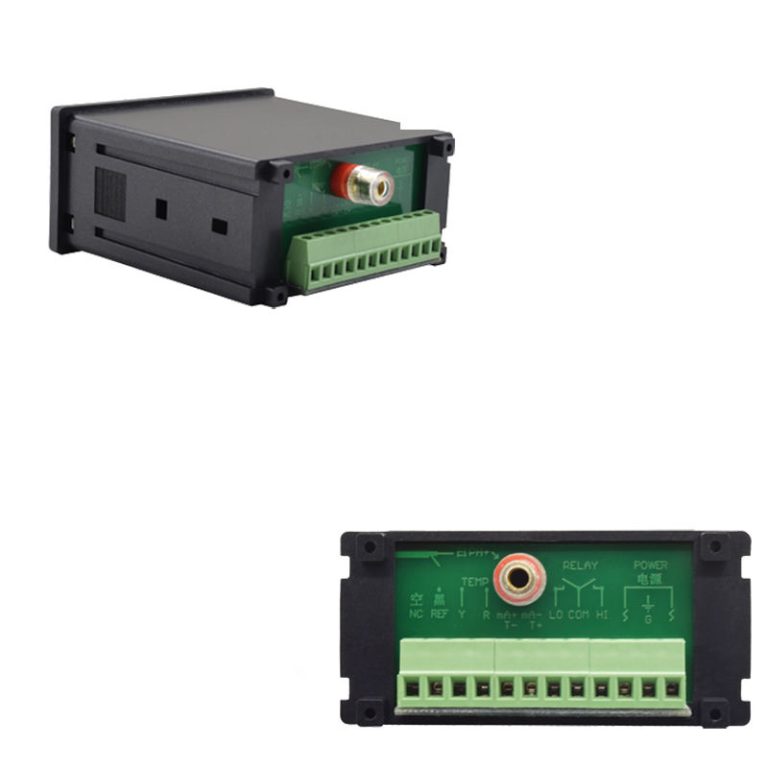
| Model | DO-810/1800 Dissolved Oxygen Meter |
| Range | 0-20.00 mg/L |
| Accuracy | ±0.5% FS |
| Temp. Comp. | 0-60℃ |
| Oper. Temp. | 0~60℃ |
| Sensor | Dissolved Oxygen Sensor |
| Display | Segment code operation/128*64 LCD Screen(DO-1800) |
| Communication | Optional RS485 |
| Output | 4-20mA output High/Low limit double relay control |
| Power | AC 220V±10% 50/60Hz or AC 110V±10% 50/60Hz or DC24V/0.5A |
| Working Environment | Ambient temperature:0~50℃ |
| Relative humidity≤85% | |
| Dimensions | 96×96×100mm(H×W×L) |
| Hole Size | 92×92mm(H×W) |
| Installation Mode | Embedded |

One of the key advantages of real-time water quality monitoring with chemical sensors is the ability to detect changes in water quality quickly and accurately. Traditional monitoring methods may only provide a snapshot of water quality at a specific point in time, whereas real-time monitoring can provide continuous data that allows for the detection of trends and fluctuations. This can be particularly important in situations where water quality can change rapidly, such as during a pollution event or a natural disaster.
| Product Model | DOF-6310 (DOF-6141) |
| Product Name | Dissolved oxygen data collection terminal |
| Measuring Method | Fluorescence Method |
| Measurement range | 0-20mg/L |
| Accuracy | ±0.3mg/L |
| Resolution | 0.01mg/L |
| Response time | 90s |
| Repeatibility | 5%RS |
| Temperature compensation | 0-60.0℃ Accuracy:±0.5℃ |
| Air pressure compensation | 300-1100hPa |
| Stand pressure | 0.3Mpa |
| Communication | RS485 MODBUS-RTU standard protocol |
| Power | DC(9-28)V |
| Power comsuption | <2W |
| Operational envrionment | Temperature:(0-50)℃ |
| Storage Environment | Temperature:(-10-60)℃; Humidity:≤95%RH(None condensation) |
| Installation | Submerged |
| Protection Level | IP68 |
| Weight | 1.5Kg(with 10m cable) |
Another benefit of real-time water quality monitoring is the ability to respond quickly to potential threats to water quality. By having instant access to data on water quality parameters, decision-makers can take immediate action to address issues such as pollution or contamination. This can help to prevent further damage to the environment and protect human health.
Real-time water quality monitoring with chemical sensors can also help to improve the efficiency of water resource management. By providing continuous data on water quality parameters, these systems can help to identify sources of pollution and track the effectiveness of remediation efforts. This information can be used to inform decision-making and prioritize resources for water quality protection and restoration.
In addition to improving environmental sustainability, real-time water quality monitoring with chemical sensors can also have economic benefits. By providing accurate and timely data on water quality, these systems can help to reduce the costs associated with water treatment and remediation. They can also help to prevent costly damage to infrastructure and ecosystems by allowing for early detection and response to water quality issues.

Overall, real-time water quality monitoring with chemical sensors is a valuable tool for improving environmental sustainability. By providing instant and continuous data on water quality parameters, these systems can help to protect water resources, prevent pollution, and support sustainable water management practices. As technology continues to advance, we can expect to see further innovations in real-time water quality monitoring that will help to ensure the health and sustainability of our water resources for future generations.