Water has moved from a back-office topic to a board-level topic in the mining industry. Allocation disputes in Chile, dewatering challenges in Australia, acid drainage liabilities in North America, and tailings dam failures in multiple jurisdictions have together pushed mine water management to the front of every major operator’s risk register. Market researchers who track the sector put annual global spending on mining water treatment well into the billions of dollars, and the cumulative spend over the coming decade will be measured in the tens of billions. That is a generational opportunity, and the companies that prepare for it will hold an advantage their competitors will struggle to close. Shanghai ChiMay watches this market closely and offers this strategic outlook for executives deciding where to invest.
Table of Contents
The Short Version for Mining Executives
- Mining water treatment spend will be measured in the tens of billions of dollars over the coming decade
- Demand is driven by tightening regulation, water scarcity, and ESG investor expectations
- Capital investment alone is not enough; sensor-enabled monitoring is what converts capex into compliance
- Operators that lead on water management gain a measurable cost-of-capital advantage
- The window for strategic positioning is the next three to five years, not later
The Forces Driving the Spend
Four forces are converging on the same end point:
Regulatory tightening. Discharge standards for sulfate, selenium, manganese, and trace metals are being tightened across most major mining jurisdictions. Permits that renewed automatically a decade ago are now contested, and several large operations have faced extended shutdowns to meet new water quality limits.
Water scarcity. Mines in Chile, Peru, Australia, southern Africa, and the western United States face real allocation constraints. Operating without a credible water plan is no longer compatible with project approval.
Tailings risk. Following the well-publicized dam failures of the last decade, insurers and lenders demand continuous water quality monitoring around tailings facilities. Regulators in several countries have made it mandatory.
ESG capital. The largest institutional investors judge mining companies on documented water performance, not aspirational targets. Reported water recovery rates, monitoring density, and incident histories all feed the cost of capital.
The combination of these forces is what turns mine water management into a decade-scale, multi-billion-dollar buildout. It is not a single regulatory event; it is a sustained reshaping of how the mining industry uses water.
Where the Money Will Flow
The spending will not be evenly distributed. The largest categories, in approximate order:
- Acid mine drainage treatment infrastructure
- Tailings facility water management upgrades
- Process water reuse and recycle systems
- Advanced treatment for selenium, sulfate, and trace metals
- Real-time monitoring and digital water management
- Closure water treatment for legacy sites
Monitoring and digital water management are smaller line items on their own, but every other category depends on them. A treatment plant without a credible sensor estate cannot demonstrate compliance, cannot defend its cost base, and cannot earn the trust of regulators or investors.
The Sensor Estate as Strategic Infrastructure
In every category above, the sensor estate plays the same role: it is the proof that the capital investment works. A modern mine water sensor estate includes:
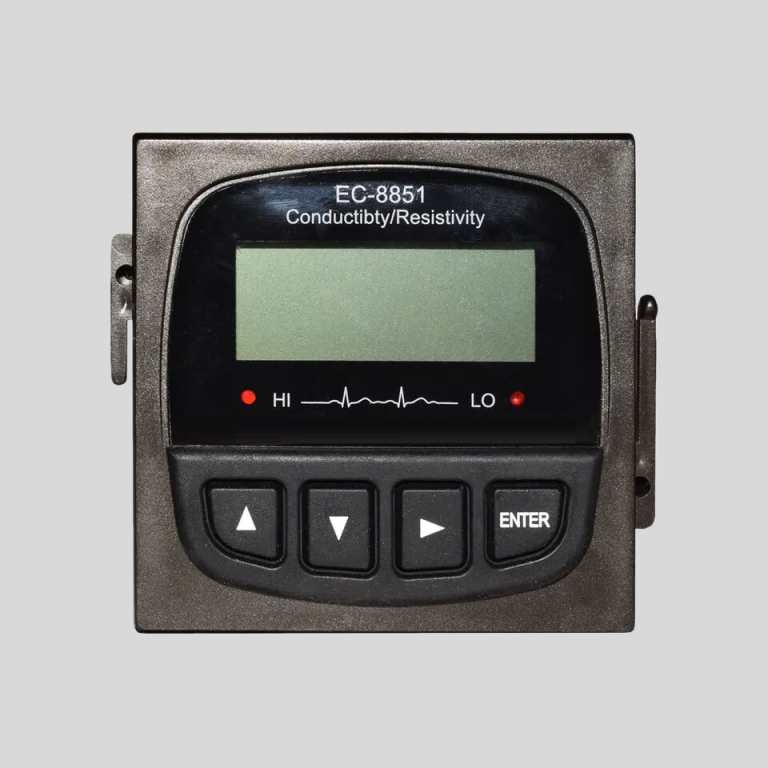
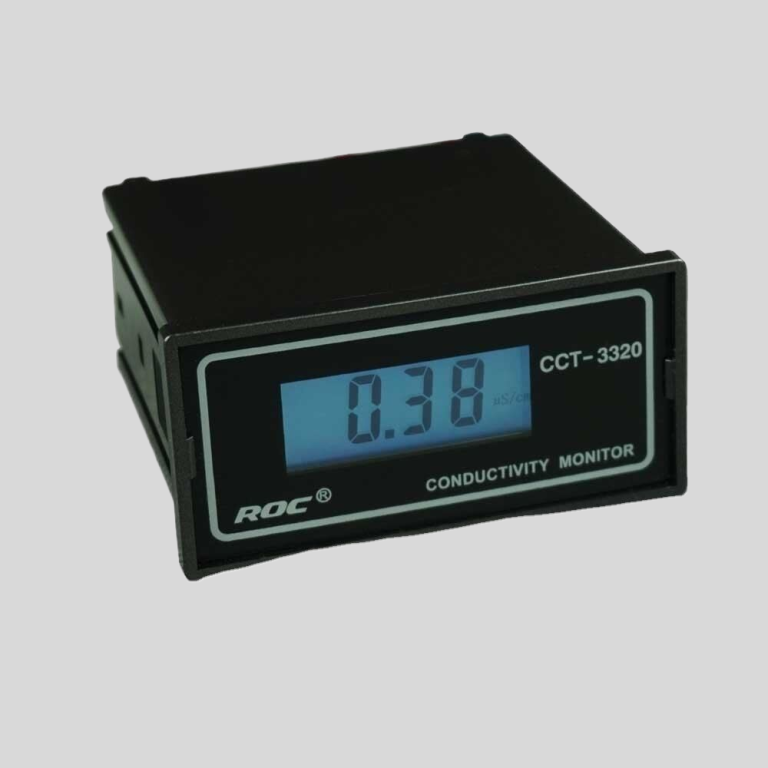
- Conductivity and total dissolved solids monitoring across the water balance
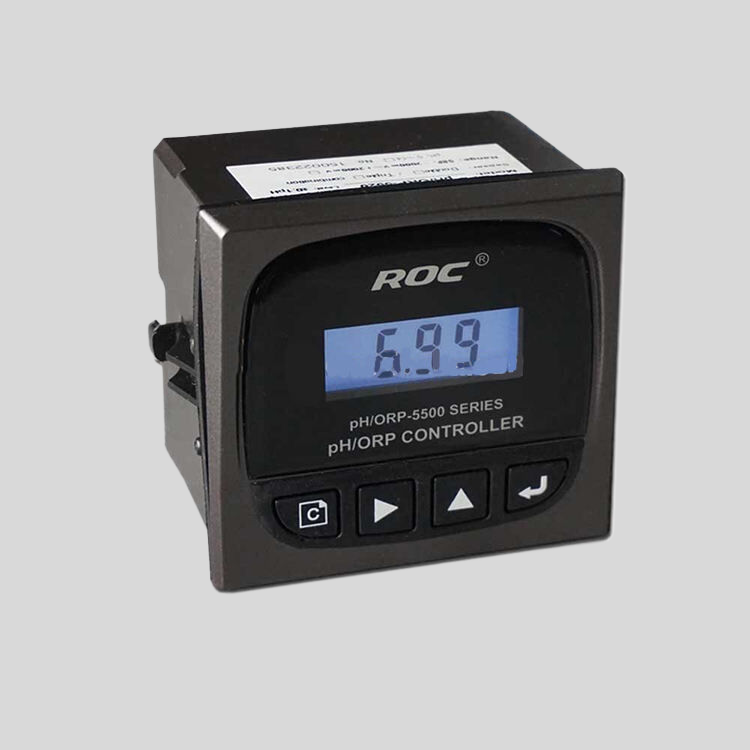
- pH measurement at every treatment stage and compliance point
- Turbidity monitoring at thickener and clarifier overflows
- Dissolved oxygen monitoring in biological treatment systems
- Flow measurement at every transfer point
- Suspended solids monitoring in process and recycle streams
- Specific-ion monitoring where the geochemistry requires it
For a typical mid-sized operation, the sensor estate runs to a low single-digit share of the water treatment infrastructure capital cost, yet it decides an outsized share of the operating risk—whether the plant can prove it is doing its job. That asymmetry is why Shanghai ChiMay steers strategic conversations with mining clients toward the sensor architecture first and the rest of the plant second.
Investor Expectations Are Specific
The largest mining-focused investors have moved past generic ESG statements. They now ask, in writing, for:
- Documented water balance with measurement traceability
- Continuous monitoring at all critical points, not periodic grab samples
- Incident history with public reporting
- Independent verification of water performance
- Capital plans tied to specific water risk reductions
Mining companies that can answer these questions clearly are rewarded with lower cost of capital. Companies that cannot find themselves excluded from major funds. The sensor estate is what makes the answer credible.
Comparing Strategic Approaches
Three strategic postures are common in the industry:
Posture A – Compliance minimum. Spend only what regulators require, when they require it. Cost-effective in the short term, but it exposes the company to regulatory shocks and investor downgrades. Several operators have learned the hard way that this posture does not hold.
Posture B – Industry-average. Match competitor spending and standards. Safe, but it creates no advantage. The default for most mid-tier operators.
Posture C – Strategic leadership. Invest ahead of regulation, build the sensor and reporting infrastructure that lets the company operate to higher standards than competitors, and use the resulting credibility to access lower-cost capital and faster permitting. This is the posture of the largest and most forward-looking operators.
The coming decade of mine water spending rewards Posture C disproportionately. The capital required is not vastly larger; the operational discipline is.
The Three-to-Five-Year Window
The opportunity is real, but it is also time-limited. Several dynamics will close the window:
- Regulatory standards will keep tightening, raising the entry-level bar
- Insurance markets will harden, increasing the cost of laggard postures
- Investor scrutiny will deepen, making documented performance a prerequisite
- Supply chains for treatment equipment and sensors will tighten as demand rises
Companies that act in the next three to five years will lock in capacity, expertise, and supplier relationships at favorable terms. Companies that wait will compete for the same equipment and engineering services at premium prices.
What Executives Should Do Now
A pragmatic checklist for a mining executive looking at the opportunity:
- Commission an honest baseline of current water performance, including a sensor estate audit
- Identify the three largest water risks to the asset and put a financial figure on each
- Build a five-year water capital plan tied to specific risk reductions
- Engage with regulators and investors on the plan before it is required
- Lock in supplier relationships for treatment equipment and monitoring instrumentation
- Build internal capability — water engineers, data analysts, environmental specialists
This is not a checklist for the head of environment; it is a checklist for the chief executive and the chief financial officer.
The Role of Suppliers Like Shanghai ChiMay
Equipment and sensor suppliers are partners in the strategic decision, not commodity vendors. The right supplier brings:
- Technology suited to the actual chemistry and operating conditions of the mine
- Engineering support across procurement, commissioning, and operations
- A service model that matches the remote and demanding nature of mining sites
- Long-term continuity so the sensor estate stays supported through the asset life
Shanghai ChiMay takes exactly this role with mining clients, with a water quality sensor and transmitter portfolio designed for mining service and an engineering team that engages with strategic water planning, not only with purchase orders.
Bottom Line
The mining water treatment opportunity is not a forecast; it is the cumulative result of regulatory, environmental, and financial pressures already in motion. The mining companies that benefit will be the ones that treat water as a strategic asset rather than a compliance line item, that invest in sensor-enabled water management ahead of regulation, and that lock in supplier and engineering relationships inside the current window. Shanghai ChiMay’s view is that the next three to five years will decide which operators emerge as leaders, and that the difference will come down to choices made at the executive level today.