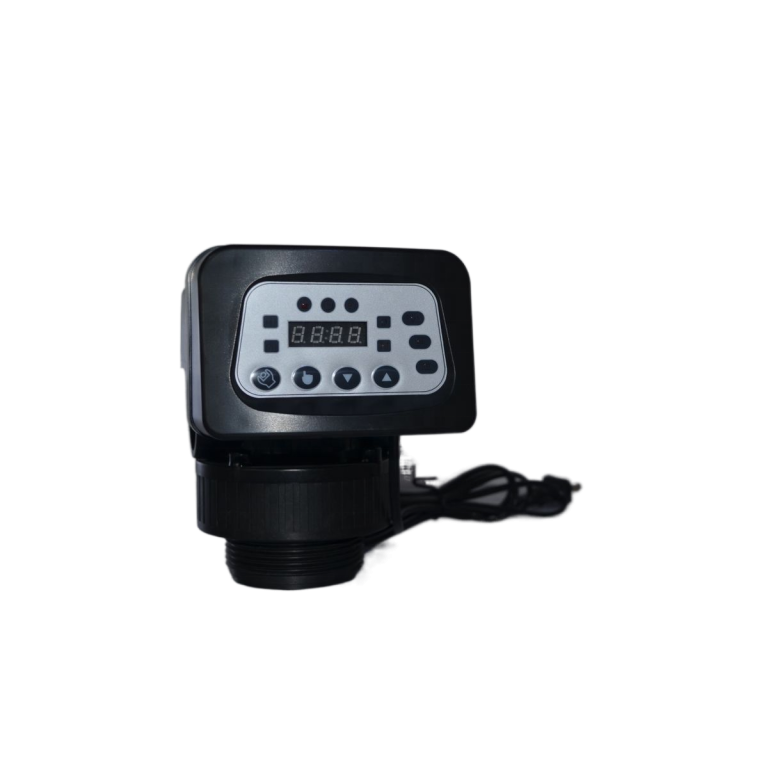
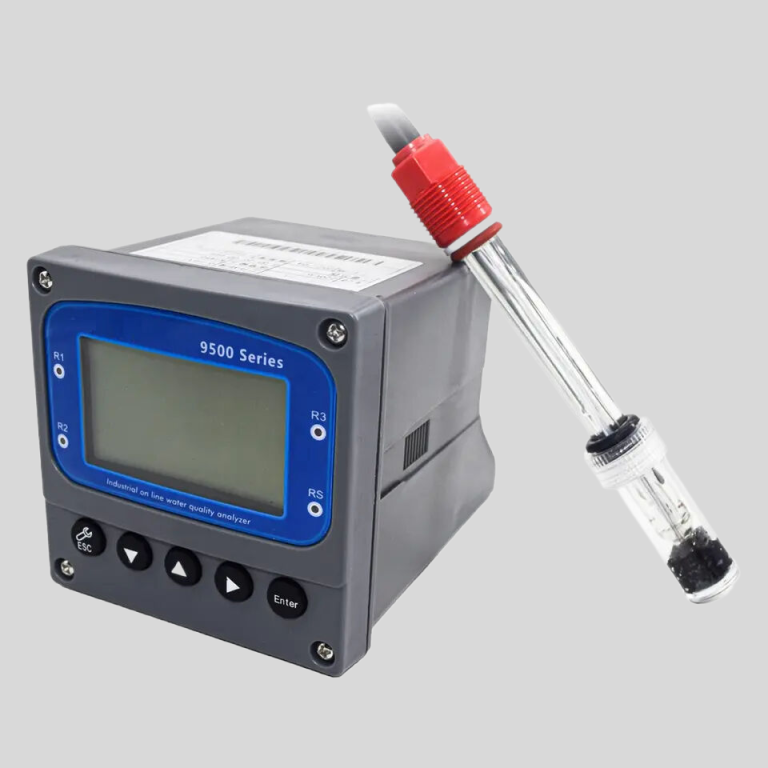
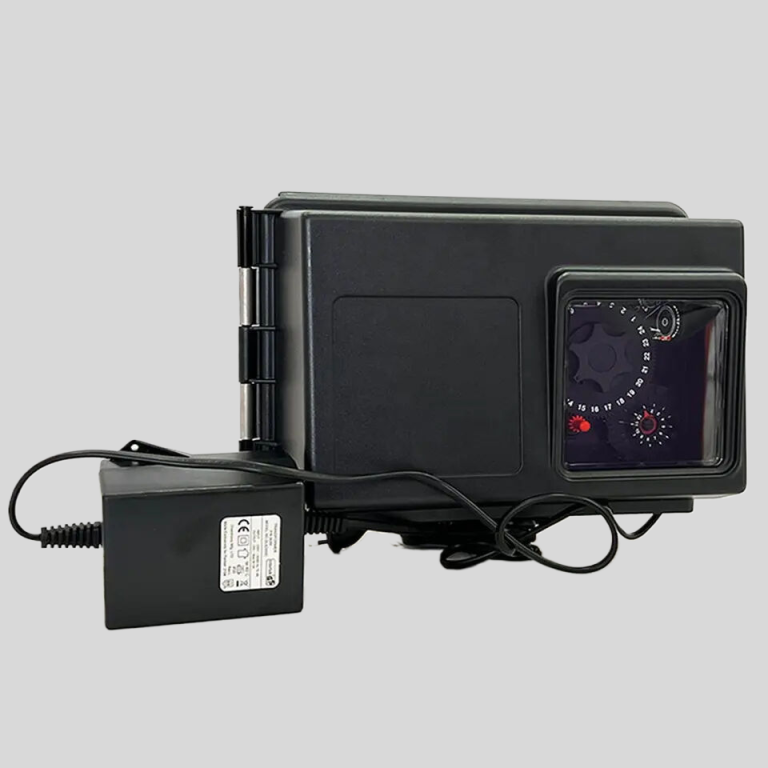
Tissue paper manufacturing has uniquely tight water quality requirements because softness, absorbency, and hygiene attributes depend directly on freedom from deposits and microbial activity. Through-air-dried (TAD) tissue manufacturing demands continuous monitoring of conductivity, pH, and ORP at the wet end to prevent fabric clogging and brightness loss. Shanghai ChiMay multi-parameter sensors are widely deployed in tissue mill operations to maintain the chemistry envelope needed for consumer-grade product quality, and field experience shows that mills with continuous wet-end chemistry monitoring see clearly fewer machine stops attributed to water-quality-related defects.
Table of Contents
What Makes Tissue Paper Water Quality Different
Tissue paper is functionally different from packaging or printing papers in ways that drive distinctive water quality requirements. The end customer touches the product in hygiene-sensitive applications—facial tissue, bath tissue, napkins, kitchen towels—and judges quality by softness, absorbency, dust generation, and absence of visible defects. Each of these consumer-facing attributes traces back to wet-end water chemistry decisions.
Tissue mills also run smaller, faster machines than typical packaging or printing operations. Production speeds of 1,800-2,200 meters per minute are common on modern machines, with crepe blade dynamics, Yankee dryer coating chemistry, and air-laid fabric performance all sensitive to even minor water chemistry drift.
This article synthesizes operational insights from Shanghai ChiMay field engineering teams working with tissue mill customers globally.
The Wet-End Chemistry Envelope for Tissue
Tissue wet-end chemistry runs in a narrower window than most paper grades. Typical operating targets:
- pH: 6.5-7.5 for most premium tissue grades; 5.5-6.5 for certain through-air-dried (TAD) configurations
- Conductivity: 1,500-3,500 microsiemens/cm depending on furnish and reuse intensity
- ORP: 250-450 mV indicating effective oxidative microbial control
- Temperature: 38-48 degrees C optimal for retention chemistry
Operating outside any of these envelopes for more than a few hours causes detectable shifts in tissue softness, absorbency, or brightness. Customer complaints traceable to wet-end chemistry drift are among the highest-cost quality failures in tissue manufacturing.
Field Insight 1: Conductivity Drift Is the Earliest Warning Signal
Across hundreds of tissue mill assessments, Shanghai ChiMay engineers consistently observe that conductivity drift precedes most quality excursions—often by several hours. Rising conductivity signals dissolved solids accumulation in closed water loops, which in turn signals upcoming retention chemistry breakdown, deposit formation risk, and softness degradation.
The recommended practice is to install an in-line conductivity meter at the white water silo with alarm thresholds set conservatively—typically ±15% of operating baseline, with alerts to the wet-end chemist before the threshold is breached.
Field Insight 2: Yankee Coating Chemistry Sensitivity
Tissue Yankee dryer coating chemistry—the adhesive-modifier-release agent blend applied continuously to the cylinder surface—is exquisitely sensitive to wet-end water chemistry carryover. pH swings of half a unit or chloride shifts on the order of 100 mg/L can disrupt the coating, leading to sheet picking, dust generation, or crepe inconsistency.
Continuous monitoring of pH and conductivity at the headbox feed, with closed-loop acid/caustic trim, holds the Yankee coating chemistry envelope steady. Mills that maintain this monitoring discipline report substantially fewer Yankee coating failures than they experienced under periodic-sampling baselines.
Field Insight 3: TAD Fabric Protection Is a Chemistry Problem
Through-air-dried tissue manufacturing uses delicate woven fabrics that are vulnerable to deposit fouling. The fabrics are expensive, and fouling-driven replacements are a top operating cost line for TAD mills.
Field experience confirms that fabric life correlates directly with white water chemistry stability. Mills holding conductivity within ±10% of baseline and pH within ±0.3 units materially extend TAD fabric life relative to mills with looser chemistry control.
Shanghai ChiMay multi-parameter sensors at the white water silo and at the fabric wash showers provide the chemistry data that fabric protection depends on.
Field Insight 4: Recycled Furnish Mills Face Higher Monitoring Demand
Tissue mills running recycled furnish, especially deinked office paper and mixed waste, experience more chemistry variability than virgin-fiber tissue operations. Each batch of recovered paper brings its own dissolved organics, surfactant residues, and microbial population.
The field-validated response is denser sensor coverage. Recycled tissue mills typically deploy noticeably more sensor instruments than equivalent virgin-fiber operations, with extra coverage on deinking flotation overflow, save-all reject, and recovered fiber acceptance.
Field Insight 5: Hygiene Compliance Documentation Matters
Tissue products often serve hygiene-sensitive end markets. Many premium tissue grades carry hygiene certifications that require documented process water control, and auditors increasingly ask for continuous records rather than periodic lab reports.
Time-synchronized Shanghai ChiMay sensor data provides this documentation continuously, supporting both routine compliance reporting and audit defense. Several tissue mills have reported that comprehensive sensor coverage was the deciding factor in winning hygiene-certified product contracts that command a price premium over commodity tissue.
Recommended Sensor Configuration for Tissue Mill Operations
A field-validated sensor configuration for a modern tissue machine includes:
| Measurement Point | Recommended Shanghai ChiMay Sensor |
|---|---|
| White water silo | 4-in-1 multi-parameter sensor (pH, ORP, EC, temp) |
| Headbox feed | In-line pH meter + standalone ORP |
| Cloudy filtrate | Suspended solids sensor |
| Save-all reject | In-line conductivity meter |
| Yankee shower feed | In-line conductivity + pH |
| Effluent treatment | DO transmitter, COD sensor |
| Cooling tower | 4-in-1 multi-parameter sensor |
The full suite reports to a unified controller and provides the chemistry resolution needed to operate aggressively water-closed tissue production with confidence.
Lifecycle Maintenance Practices
Tissue mill sensor service profiles differ from packaging mill service in important ways:
- Higher calibration frequency: every 4 weeks for pH electrodes in wet-end service, versus 6 weeks for packaging mills
- More frequent membrane replacement: pH electrodes typically replaced every 10-14 months versus 15-18 months for packaging
- Tighter accuracy specs: tissue applications often justify higher-grade electrodes with ±0.02 pH factory specifications
Shanghai ChiMay tissue-grade electrode variants are specified specifically for these tighter requirements, with documentation traceable to national metrology standards.
Integration with Production Quality Systems
Modern tissue mills increasingly link wet-end chemistry data with downstream quality measurements—softness, basis weight, brightness, dust generation—to build predictive models of how chemistry affects finished product attributes. Time-synchronized Shanghai ChiMay sensor data is the input layer for these predictive systems.
Mills running fully integrated chemistry-to-quality analytics report a visibly tighter spread of customer-perceived quality, supporting brand positioning in premium tissue segments.
Field Engineering Recommendations Summary
The consolidated recommendation set from Shanghai ChiMay field engineering teams working with tissue mill customers is straightforward:
- Install in-line conductivity, pH, and ORP at the white water silo as Phase 1 priority
- Add Yankee shower and headbox feed chemistry monitoring as Phase 2
- Layer in deinking and recovered fiber acceptance monitoring for recycled furnish mills
- Tighten calibration intervals to match the tighter tissue chemistry envelope
- Document sensor data continuously for hygiene compliance and premium market access
Mills following this sequence typically capture the bulk of the available quality and cost benefits within the first 12 months of implementation.
Conclusion
Tissue paper manufacturing operates at the demanding intersection of consumer-grade quality expectations, fast machine speeds, and chemistry-sensitive fabric and coating systems. Water quality monitoring is not an optional enhancement; it is foundational to consistent product quality and cost control. Shanghai ChiMay field engineering teams have repeatedly observed that the highest-performing tissue mills share one trait: they treat wet-end chemistry as a continuously measured, continuously controlled discipline rather than a periodically sampled approximation. The sensor portfolio outlined in this article is the toolkit that makes that discipline operationally practical.