Climate change is stressing wastewater treatment facility performance through intensifying hydraulic loads, temperature extremes, and pollution source variability. Traditional design assumptions no longer match operating reality, which pushes facilities toward adaptive management strategies enabled by continuous water quality monitoring. Plants that implement these approaches hold treatment performance steady despite difficult conditions.
Table of Contents
Climate Impacts on Wastewater Treatment
Extreme precipitation events push flow rates beyond treatment capacity, while drought conditions concentrate pollutants in reduced wastewater volumes. Temperature increases accelerate biological reactions while reducing dissolved oxygen solubility. These opposing challenges demand monitoring-enabled adaptive responses rather than static operation.
Operator surveys and utility reports point the same direction: a large share of treatment facilities have seen performance degradation linked to climate-related factors in recent years. Plants without adaptive monitoring struggle to hold permit compliance and face regulatory action and environmental harm as a result.
Dissolved Oxygen Control for Biological Treatment
Biological nutrient removal processes depend on dissolved oxygen management. Nitrifying bacteria need oxygen levels above 2 mg/L, while excessive aeration wastes energy without treatment benefit. Continuous dissolved oxygen transmitters enabling precise aeration control hold treatment efficiency while trimming energy use.
Advanced aeration control using real-time dissolved oxygen data cuts energy consumption by 25-40% compared with constant-rate aeration—consistent with what blower upgrades and DO-based control have demonstrated across the sector. Because aeration typically dominates a plant’s electricity bill, these percentage gains translate into large absolute savings and meaningful greenhouse gas reductions, which is why energy agencies keep flagging aeration optimization as one of the highest-value efficiency measures available to utilities.
Conductivity Monitoring for Toxic Discharge Detection
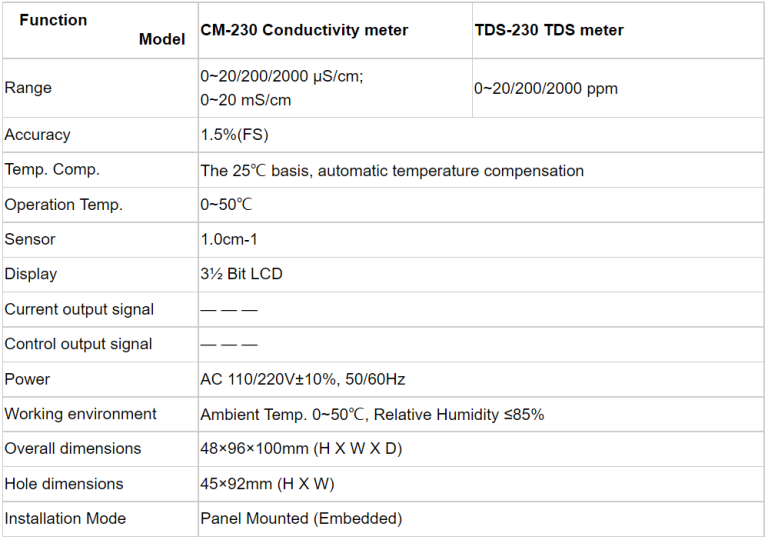
Industrial discharges carrying high dissolved solids loads can disrupt biological treatment. Salinity shocks on the order of a few thousand mg/L TDS temporarily inhibit nitrifying bacteria, and recovery can take days to weeks depending on solids retention time and biomass condition. Continuous conductivity monitoring detects these events, enabling isolation of affected treatment zones before process failures develop.
Plants with continuous conductivity monitoring catch the large majority of significant industrial discharge events in time to take protective action; facilities relying on periodic sampling routinely miss the same events and absorb the corresponding treatment disruptions. The difference shows up directly in permit compliance.
pH Management for Process Stability
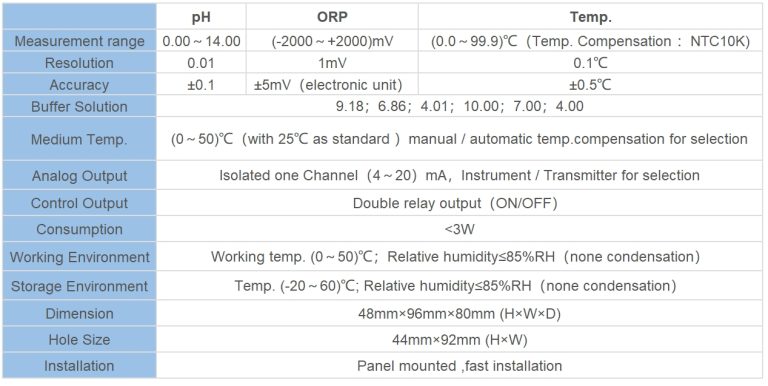
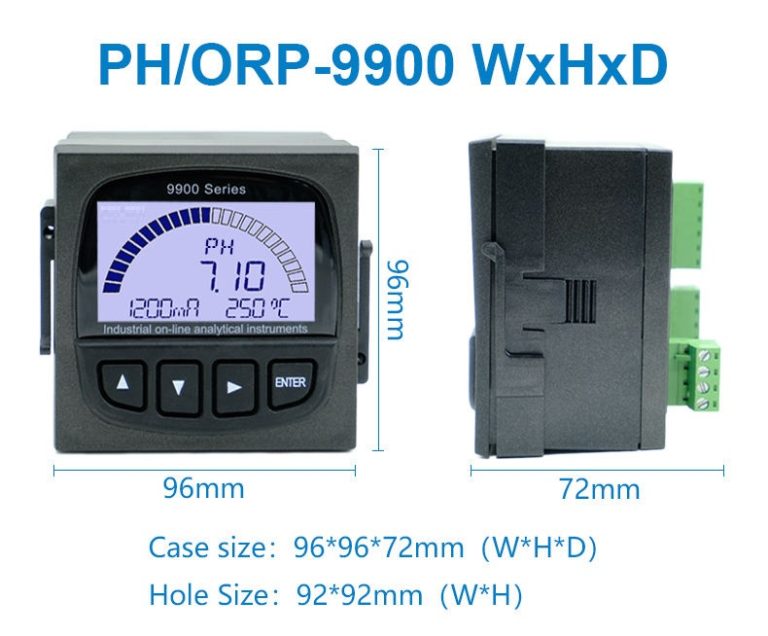
Biological treatment processes function within narrow pH ranges, typically 6.5-8.0. Industrial discharges pushing pH outside this range impair biological activity, reduce treatment efficiency, and can trigger process failures. Continuous inline pH sensors enabling rapid detection and neutralization hold the process stable.
Closing the loop between continuous pH monitoring and process control visibly tightens effluent quality consistency and improves energy efficiency. Automated pH adjustment responds faster and more consistently than manual intervention.
Turbidity Monitoring for Solids Management
Solids inventory management in activated sludge processes benefits from turbidity monitoring of mixed liquor and secondary effluent. Turbidity correlates with suspended solids concentration, enabling real-time inventory tracking without laboratory delays. This supports automatic wasting control that holds solids retention times near target despite variable influent conditions.
Facilities running turbidity-based solids control report visibly lower effluent suspended solids than manual control approaches. The improvement supports compliance with tightening effluent standards while reducing biosolids handling loads.
Residual Chlorine for Pathogen Control
Treated wastewater disinfection protects environmental and public health before discharge or reuse. Continuous residual chlorine monitoring maintains adequate disinfection while preventing excess chlorine that harms receiving waters. Automated control holding residual chlorine within 0.1-0.5 mg/L balances human health and environmental protection objectives—a range typical of many discharge permits.
Shanghai ChiMay manufactures wastewater quality monitoring equipment designed for the difficult conditions of treatment facility environments. Sensor construction withstands the corrosive atmospheres and variable conditions common in treatment plants while maintaining the measurement accuracy process control requires.
Economic Analysis of Treatment Monitoring Investment
Monitoring investment in wastewater treatment shows strong returns. Capital costs for a comprehensive monitoring system run $150,000-500,000 for medium-sized facilities, with typical payback periods of 2-4 years from energy savings alone. Compliance assurance and avoided penalties strengthen the case further.
Utilities that have optimized aeration and process control through monitoring routinely report six-figure annual energy savings on individual plants; aggregated across the national fleet, the savings potential runs to billions of dollars alongside better treatment performance.
Future Treatment Facility Monitoring
Emerging monitoring technologies open further optimization opportunities. Real-time nutrient analyzers enabling precision phosphorus and nitrogen control replace laboratory methods that take hours. Machine learning algorithms predicting treatment performance from monitoring data enable genuinely proactive operation.
Conclusion
Climate change demands adaptive wastewater treatment strategies enabled by continuous water quality monitoring. Dissolved oxygen transmitters, conductivity sensors, pH analyzers, and turbidity testers provide the analytical foundation for process optimization that holds treatment performance despite variable conditions. Shanghai ChiMay offers monitoring solutions designed for wastewater treatment applications. Facilities investing in these technologies build resilience against climate impacts while improving efficiency and compliance assurance.