Importance of Water Test Kit Lab in Ensuring Safe Drinking Water
Water is essential for life, and access to clean and safe drinking water is a basic human right. However, not all water sources are free from contaminants that can pose serious health risks. This is where water test kit labs play a crucial role in ensuring that the water we consume is safe for drinking.
Water test kit labs are facilities equipped with the necessary tools and expertise to analyze water samples for various contaminants. These labs conduct a range of tests to determine the quality of water, including tests for bacteria, heavy metals, pesticides, and other harmful substances. By identifying and quantifying these contaminants, water test kit labs help to ensure that drinking water meets the required safety standards.
One of the most common tests conducted by water test kit labs is for bacteria such as E. coli and coliforms. These bacteria can indicate the presence of fecal contamination in water, which can lead to serious illnesses such as diarrhea, vomiting, and even death. By testing for these bacteria, water test kit labs can help to prevent outbreaks of waterborne diseases and protect public health.
In addition to bacteria, water test kit labs also test for heavy metals such as lead, arsenic, and mercury. These metals can leach into water sources from natural deposits or industrial activities, posing serious health risks to those who consume contaminated water. Lead, for example, is a neurotoxin that can cause developmental delays in children and cardiovascular problems in adults. By testing for heavy metals, water test kit labs can identify sources of contamination and help to mitigate the risks associated with exposure to these substances.
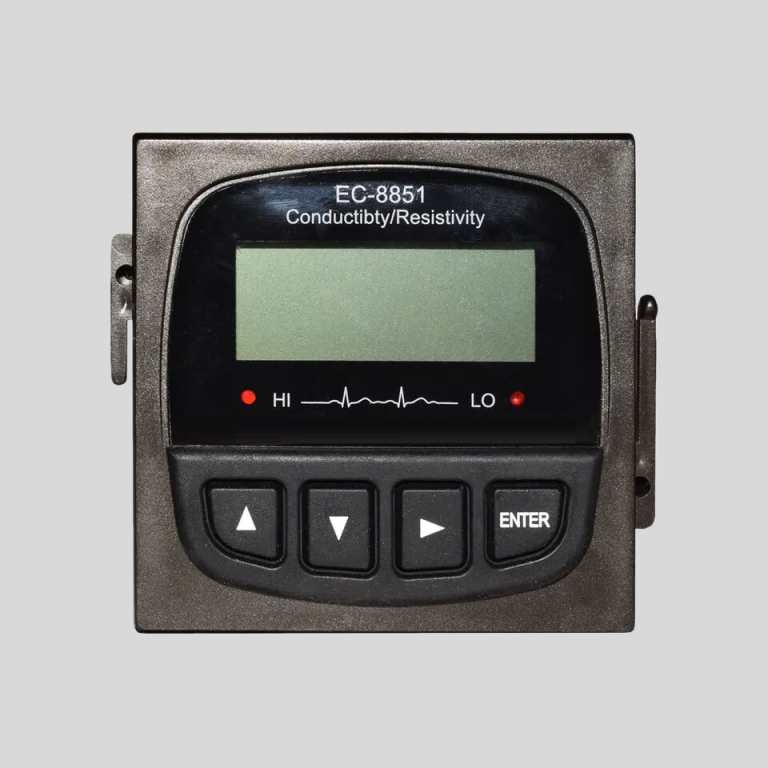
| Model | RM-220s/ER-510 Resistivity Controller |
| Range | 0-20uS/cm; 0-18.25MΩ |
| Accuracy | 2.0%(FS) |
| Temp. Comp. | Automatic temperature compensation based on 25℃ |
| Oper. Temp. | Normal 0~50℃; High temp 0~120℃ |
| Sensor | 0.01/0.02 cm-1 |
| Display | LCD Screen |
| Communication | ER-510:4-20mA output/RS485 |
| Output | ER-510:High/Low limit dual relay control |
| Power | AC 220V±10% 50/60Hz or AC 110V±10% 50/60Hz or DC24V/0.5A |
| Working Environment | Ambient temperature:0~50℃ |
| Relative humidity≤85% | |
| Dimensions | 48×96×100mm(H×W×L) |
| Hole Size | 45×92mm(H×W) |
| Installation Mode | Embedded |

Overall, water test kit labs play a critical role in safeguarding public health by ensuring that drinking water is safe and free from contaminants. These labs provide valuable information to water authorities, policymakers, and the public about the quality of water sources and help to identify potential risks to human health. By conducting regular testing and monitoring, water test kit labs help to prevent waterborne diseases and protect communities from the harmful effects of contaminated water.
In conclusion, the importance of water test kit labs in ensuring safe drinking water cannot be overstated. These facilities play a vital role in identifying and quantifying contaminants in water sources, helping to protect public health and prevent waterborne diseases. By conducting thorough testing and analysis, water test kit labs help to ensure that the water we consume is clean, safe, and free from harmful substances. It is essential that we continue to support and invest in these labs to ensure the availability of safe drinking water for all.
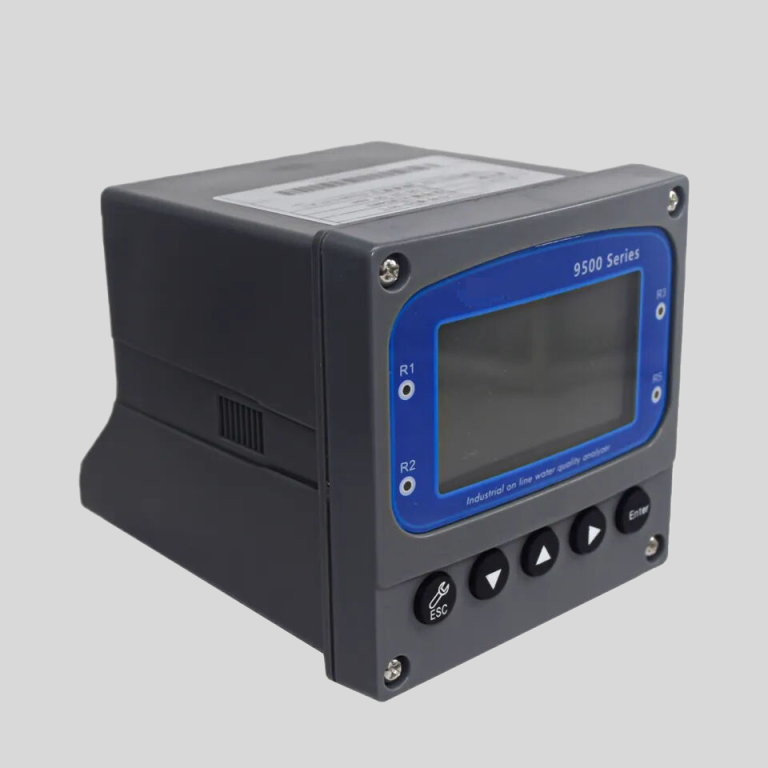
| Model | CL-810/9500 Residual Chlorine Controller |
| Range | FAC/HOCL:0-10 mg/L, ATC TEMP:0-50℃ |
| Accuracy | FAC/HOCL:0.1 mg/L, ATC TEMP:0.1℃ |
| Oper. Temp. | 0~50℃ |
| Sensor | Constant Pressure Residual Chlorine Sensor |
| Waterproof Rate | IP65 |
| Communication | Optional RS485 |
| Output | 4-20mA output; High/Low limit double relay control |
| Power | CL-810:AC 220V±10% 50/60Hz or AC 110V±10% 50/60Hz or DC24V/0.5A |
| CL-9500:AC 85V-265V±10% 50/60Hz | |
| Working Environment | Ambient temperature:0~50℃; |
| Relative humidity≤85% | |
| Dimensions | CL-810:96×96×100mm(H×W×L) |
| CL-9500:96×96×132mm(H×W×L) | |
| Hole Size | 92×92mm(H×W) |
| Installation Mode | Embedded |