City water systems supply millions of gallons of treated water daily to diverse populations. Maintaining water quality across extensive distribution networks is a continuing challenge. The question facing water utility leaders: is real-time water quality monitoring a luxury or a necessity in modern municipal infrastructure?
Table of Contents
The Case for Continuous Monitoring
Traditional water quality management relies on periodic sampling—typically daily or weekly at designated monitoring points. This approach satisfies regulatory requirements, but it leaves large gaps in understanding water conditions throughout the distribution system.
Consider the arithmetic: a city with 5,000 kilometers of pipe network sampling at 20 locations twice weekly gets roughly 2,000 data points per month. The same network with 200 continuous monitoring sensors reporting once a minute generates several million data points monthly—data that reveal patterns, anomalies, and emerging problems invisible to periodic sampling.
The World Health Organization promotes water safety planning—continuous risk assessment and operational monitoring from catchment to tap—as the framework modern utilities should follow, precisely because periodic compliance sampling alone cannot guarantee safe water between samples.
Consequences of Inadequate Monitoring
Insufficient water quality monitoring creates multiple risks for municipal water systems:
Public Health Threats: Contamination events that go undetected between sampling intervals can sicken thousands before identification. Historical incidents have shown that delayed detection multiplies health impacts.
Regulatory Violations: Systems without continuous monitoring often discover violations only after regulatory sampling reveals problems—by which time penalties have accrued and public confidence has eroded.
Infrastructure Damage: Corrosive or scaling water conditions that persist undetected accelerate pipe degradation, leading to premature failure, colored water events, and costly emergency repairs.
Financial Losses: Undetected leaks and inefficient treatment represent ongoing revenue losses and unnecessary expense that compound over time.
How Shanghai ChiMay Addresses Municipal Monitoring Requirements
Shanghai ChiMay has developed water quality monitoring solutions specifically for municipal applications. Their product range covers the technologies modern city water systems need:
Turbidity Sensors: Continuous turbidity measurement detects particulate matter that may indicate contamination, biofilm disturbance, or treatment process problems. Shanghai ChiMay turbidity sensors maintain accuracy in challenging conditions with high mineral content or biological activity.
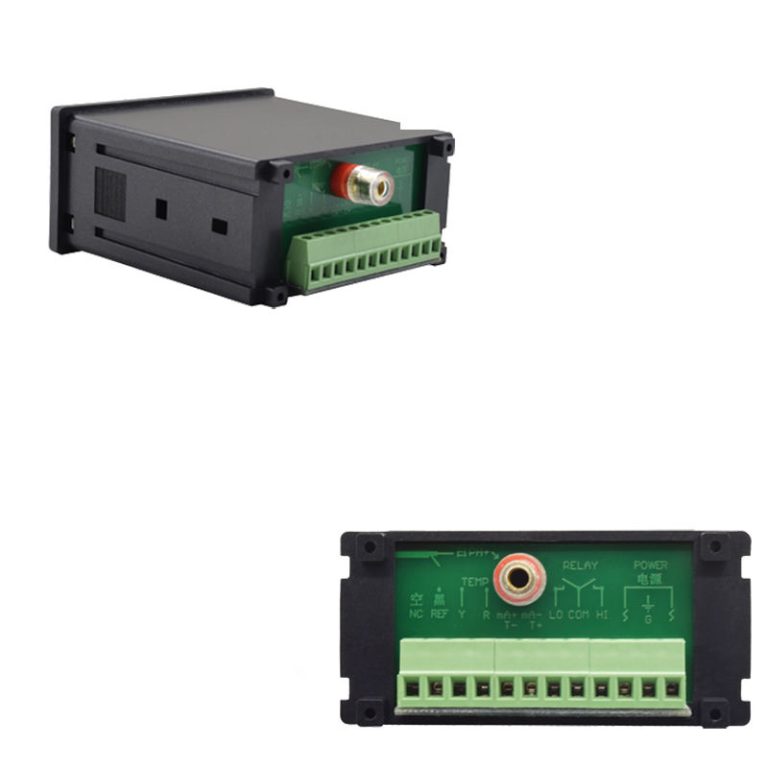
pH Meters and Electrodes: Stable pH measurement across the distribution system prevents both corrosive conditions that damage infrastructure and scaling conditions that reduce pipe capacity. Their differential measurement technology compensates for reference electrode drift, holding long-term accuracy without frequent calibration.
Conductivity Analyzers: Inline conductivity monitoring provides immediate indication of water composition changes that may signal contamination intrusion or blending problems at treatment facilities.
Chlorine Residual Transmitters: Continuous chlorine monitoring ensures adequate disinfection throughout the distribution network while preventing excessive chlorination that generates regulated disinfection byproducts.
Multi-Parameter Sensors: For applications requiring broader coverage, Shanghai ChiMay offers 4-in-1 and multi-parameter sensors that measure multiple water quality parameters from single installation points, reducing equipment costs and maintenance requirements.
Quantifying the Benefits of Real-Time Monitoring
Municipal systems implementing continuous monitoring consistently report improvements in several areas:
Health Protection: Early detection of contamination events enables rapid response that prevents widespread illness. Outbreak investigations have repeatedly shown that detection speed—not detection capability alone—is what limits the scale of waterborne illness.
Regulatory Compliance: Continuous monitoring documentation demonstrates proactive compliance and generally leads to smoother regulatory relationships. Utilities with mature monitoring programs see noticeably fewer formal enforcement actions than peers relying on grab samples.
Operational Efficiency: Real-time data enables optimization of treatment chemical dosages, cutting costs while holding water quality standards.
Infrastructure Longevity: Detection of corrosive or scaling conditions enables preventive interventions that measurably extend pipe and equipment service life.
Implementation Recommendations
Utilities implementing real-time monitoring should consider the following practices:
Strategic Sensor Placement: Coverage should include source water intake, treatment plant effluent, storage facilities, and distribution network critical points. Density should increase in areas with aging infrastructure or higher contamination risk.
Data Integration: Monitoring data should flow directly into operational systems including SCADA, asset management, and customer information platforms. Siloed data limits the value of monitoring investments.
Alert Protocols: Clear alert thresholds and response procedures ensure detected anomalies generate appropriate operator response. Alert fatigue from excessive false alarms undermines system effectiveness.
Maintenance Programs: Sensor accuracy depends on regular maintenance including cleaning, calibration verification, and electrode replacement. Planned maintenance prevents accuracy degradation that undermines monitoring value.
Conclusion
Real-time water quality monitoring has moved from optional enhancement to essential component of modern municipal water infrastructure. The consequences of inadequate monitoring—health incidents, regulatory violations, infrastructure damage, and financial losses—substantially outweigh monitoring system costs.
City water systems seeking to protect public health, maintain regulatory compliance, and optimize operational efficiency should prioritize real-time monitoring deployment. With proven products and application expertise, Shanghai ChiMay supports municipal water utilities in implementing effective continuous monitoring solutions.