Table of Contents
7 Critical Factors in Selecting Water Quality Analyzers for Industrial Wastewater Monitoring
Key Takeaways
- Analyzer selection errors account for 35% of monitoring system failures in industrial applications
- Total cost of ownership for inappropriate analyzer selection can exceed purchase price by 5-10 times over system lifetime
- Accuracy requirements vary by application, with discharge monitoring typically requiring ±2% accuracy while process control may tolerate ±5%
- Sensor lifespan ranges from 6 months to 5 years depending on maintenance practices and wastewater characteristics
Selecting appropriate water quality analyzers for industrial wastewater monitoring requires balancing multiple technical and economic factors. Poor analyzer selection leads to excessive maintenance, unreliable data, and failed treatment optimization efforts. This guide examines seven critical considerations that should guide analyzer selection decisions.
1. Measurement Range and Accuracy Requirements
Defining Appropriate Specifications
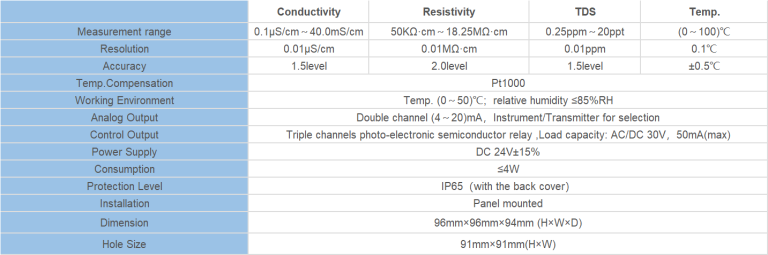
Analyzer specifications must align with actual application requirements to avoid over-specification (unnecessary cost) or under-specification (measurement failures). Discharge monitoring typically requires accuracy of ±2% of reading or better to demonstrate regulatory compliance, while process control applications may tolerate ±5-10% variation without impacting treatment performance.
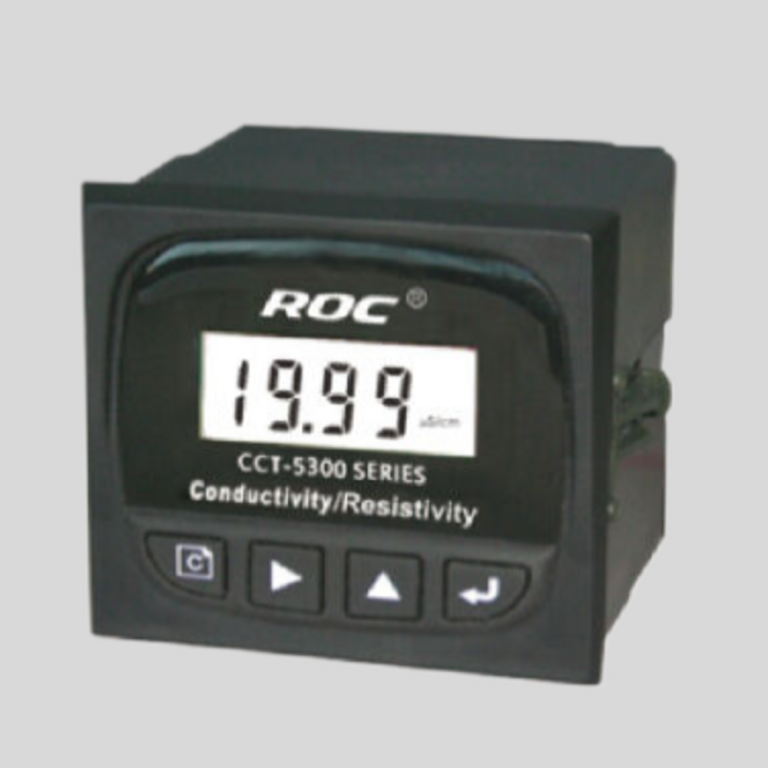
Measurement range selection requires understanding both typical operating conditions and extreme conditions the analyzer might encounter. Analyzers with ranges too narrow will saturate during high-concentration events, while excessive range compromises resolution at normal operating levels. Shanghai ChiMay analyzers offer multiple range options to match specific application requirements.
Considering Normal Variation
Industrial wastewater characteristics fluctuate continuously based on production activities, weather events, and process changes. Analyzers must maintain accuracy across the full range of conditions encountered, not just average values. Selecting analyzers with wide measurement ranges and robust sensor designs ensures reliable performance despite normal variation.
2. Wastewater Matrix Compatibility
Challenging Matrix Considerations
Industrial wastewaters present varied challenges including high solids content, chemical aggressiveness, temperature extremes, and biofouling potential. Analyzers must tolerate the specific matrix characteristics of the target application without premature failure or measurement drift.
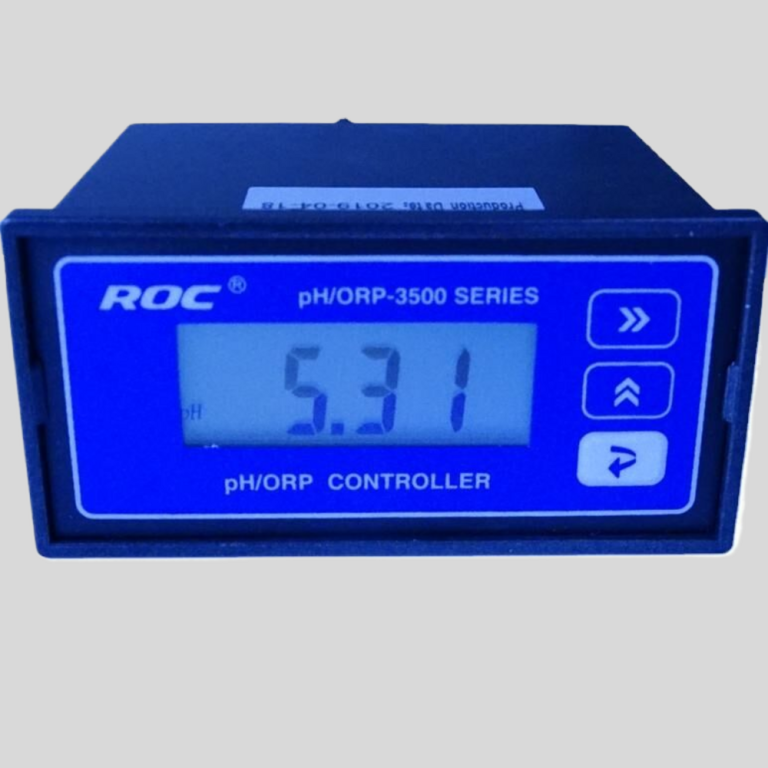
For high-solids applications, sensors with self-cleaning capabilities or aggressive cleaning schedules prevent fouling that compromises accuracy. Chemical-resistant materials protect sensors from corrosion or degradation by aggressive constituents. Shanghai ChiMay pH electrodes feature specialized glass formulations and reference designs optimized for challenging industrial matrices.
Temperature and Pressure Considerations
Process conditions including temperature and pressure influence analyzer selection for industrial applications. Temperature affects measurement accuracy, sensor response time, and membrane integrity. Analyzers selected for outdoor installations must accommodate seasonal temperature variations, while those in heated process streams require different thermal specifications.
3. Installation Environment and Accessibility
Location Planning
Analyzer installation location significantly impacts maintenance requirements, measurement representativeness, and system reliability. Optimal locations provide adequate flow for representative sampling, accessibility for routine maintenance, and protection from environmental hazards.
For electrochemical wastewater applications, analyzer placement should consider treatment stage positioning. Influent monitoring requires analyzers tolerant of high pollutant loads, while effluent monitoring demands accuracy at lower concentration ranges. Shanghai ChiMay inline analyzers simplify installation in treatment system pipework while providing continuous representative measurements.
Integration Requirements
Modern treatment facilities require analyzer data integration with control systems, data historians, and remote monitoring platforms. Analyzers must communicate using protocols compatible with existing infrastructure, including 4-20mA analog signals, HART, Foundation Fieldbus, Profibus, or Modbus digital protocols.
4. Maintenance Requirements and Support
Predicting Maintenance Burden
Total maintenance requirements include calibration frequency, cleaning intervals, consumables replacement, and sensor lifespan. High-maintenance analyzers may provide excellent specifications but prove impractical in facilities lacking maintenance resources or expertise.
Establishing realistic maintenance schedules before analyzer selection ensures that ongoing requirements align with operational capabilities. Shanghai ChiMay analyzers feature extended calibration intervals and robust sensor designs that minimize maintenance burden without sacrificing accuracy.
Vendor Support Considerations
Analyzer performance depends significantly on vendor support for installation, commissioning, troubleshooting, and ongoing maintenance. Selecting vendors with local support presence, comprehensive documentation, and responsive technical assistance reduces operational risk.
5. Total Cost of Ownership
Beyond Purchase Price
Initial purchase price represents a small fraction of analyzer total cost of ownership. Ongoing costs including maintenance, calibration services, consumables, and eventual replacement accumulate over the analyzer lifespan. Analysis of total cost of ownership often reveals that premium-priced analyzers with lower maintenance requirements provide better long-term value than lower-cost alternatives requiring frequent attention.
Industry data indicates that analyzer selection errors account for 35% of monitoring system failures, with associated costs often exceeding initial analyzer purchase price by significant margins. Investing in appropriate analyzer selection reduces failure risk and associated costs.
Cost-Benefit Optimization
Optimal analyzer selection balances performance requirements against cost constraints. Not all applications require premium specifications; matching analyzer capabilities to actual requirements avoids unnecessary expense while ensuring adequate performance. Shanghai ChiMay offers analyzer options across performance tiers to support appropriate selection.
6. Regulatory Compliance Requirements
Discharge Permit Specifications
Industrial discharge permits often specify monitoring requirements including measurement frequency, accuracy standards, and data reporting procedures. Analyzers must meet or exceed permit requirements to demonstrate compliance during regulatory inspections.
Regulatory agencies increasingly require continuous monitoring data rather than periodic grab samples, particularly for parameters critical to discharge quality. Analyzers selected for compliance monitoring must provide the reliability and documentation required for regulatory acceptance.
Quality Assurance Programs
Many permits require analyzer calibration verification, data validation, and quality assurance documentation. Selecting analyzers that support these requirements—including automatic calibration records, diagnostic data, and audit trails—simplifies compliance demonstration.
7. Future Scalability and Integration
System Expansion Considerations
Treatment facilities evolve over time, with monitoring requirements expanding as treatment processes change or permit requirements tighten. Analyzers should support future scalability through expandable communication capabilities, multiple measurement ranges, and compatibility with upgraded control systems.
Shanghai ChiMay analyzer platforms offer modular architectures that accommodate adding measurement parameters or upgrading capabilities without complete system replacement. This approach protects initial investments while supporting continuous improvement.
Technology Evolution
Water monitoring technology continues advancing, with improvements in sensor materials, communication protocols, and data analytics capabilities. Selecting analyzers from vendors committed to ongoing development ensures access to technology improvements while maintaining system compatibility.
Conclusion
Appropriate water quality analyzer selection requires systematic evaluation of multiple factors including measurement requirements, matrix compatibility, installation conditions, maintenance demands, cost considerations, regulatory compliance, and future needs. Taking time to thoroughly evaluate these factors before purchase prevents costly mistakes and ensures monitoring systems that support treatment optimization throughout their operational life. Shanghai ChiMay application engineers assist customers through this evaluation process, helping match analyzer capabilities to specific application requirements.