It seems we can’t find what you’re looking for. Perhaps searching can help.

Other Related Posts

Electrochemical Corrosion Monitoring in Cooling Water Systems

Electrochemical Corrosion Monitoring in Cooling Water Systems Key Takeaways Electrochemical monitoring techniques detect corrosion 100-1000x faster than weight loss methods Linear Polarization Resistance (LPR) provides continuous corrosion rate measurements in real-time Cooling water systems account for 40% of total water usage in chemical processing facilities Effective corrosion monitoring reduces associated maintenance costs by 25-40% Industry…
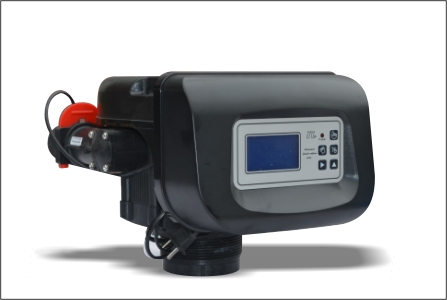
클락 연화제 설명서

클락 연화제 설명서

클락 연화제에 연수기 설명서를 사용하면 좋은 점 연수기는 많은 가정, 특히 경수를 사용하는 지역에서는 필수적인 가전제품입니다. 경수에는 칼슘, 마그네슘과 같은 미네랄이 많이 포함되어 있어 파이프와 가전제품에 쌓이는 물때, 접시와 세탁물의 비누 찌꺼기, 건조한 피부와 머리카락 등 다양한 문제를 일으킬 수 있습니다. 이러한 문제를 해결하기 위해 많은 주택 소유자는 Clack 연수기와 같은 연수기를 설치하여 급수에서 이러한…

7 Critical Parameters Every Desalination Plant Must Monitor Continuously

7 Critical Parameters Every Desalination Plant Must Monitor Continuously Key Takeaways: – Facilities monitoring all 7 parameters achieve 35% lower operational costs than those using partial monitoring – Membrane lifespan increases by 40% with comprehensive parameter monitoring – Energy efficiency improves by 15-20% through optimized process control – Emergency shutdowns decrease by 70% when using…

샤워 밸브 작동 원리

샤워 밸브 작동 원리

“샤워 밸브의 메커니즘 이해: 작동 방식 및 찾아야 할 사항” 샤워 밸브가 어떻게 작동하는지 궁금한 적이 있나요? 실제로는 매우 간단합니다. 이 기사에서는 샤워 밸브의 메커니즘과 구매 시 확인해야 할 사항에 대해 설명합니다. 샤워 밸브는 샤워기의 물 흐름을 제어하는 장치입니다. 일반적으로 벽 뒤, 샤워헤드 근처에 위치합니다. 밸브는 급수관과 샤워헤드에 연결되어 있습니다. 밸브의 손잡이를 돌리면 밸브가 열리거나…

Why Inline pH Sensors Fail in High-Temperature Industrial Water Systems

Key Takeaways Over 65% of inline ph sensor failures in industrial applications are caused by temperature-related reference junction degradation Operating above 60°C accelerates reference electrode poisoning by up to 400% compared to ambient-temperature deployments junction potential drift accounts for 0.01–0.03 pH units per day in uncompensated high-temperature sensors — enough to trigger false alarm events…