It seems we can’t find what you’re looking for. Perhaps searching can help.

Other Related Posts

How EC Sensors Help Farmers Cut Fertilizer Waste by One-Third

How EC Sensors Help Farmers Cut Fertilizer Waste by One-Third Key Takeaways: – Electrical conductivity (EC) monitoring enables precision nutrient management that reduces fertilizer waste by 28-34% according to Agronomy Journal (2024) – Real-time EC sensors detect nutrient concentration changes within 30 seconds, versus 4-24 hours for laboratory analysis – Automated fertigation systems with EC…
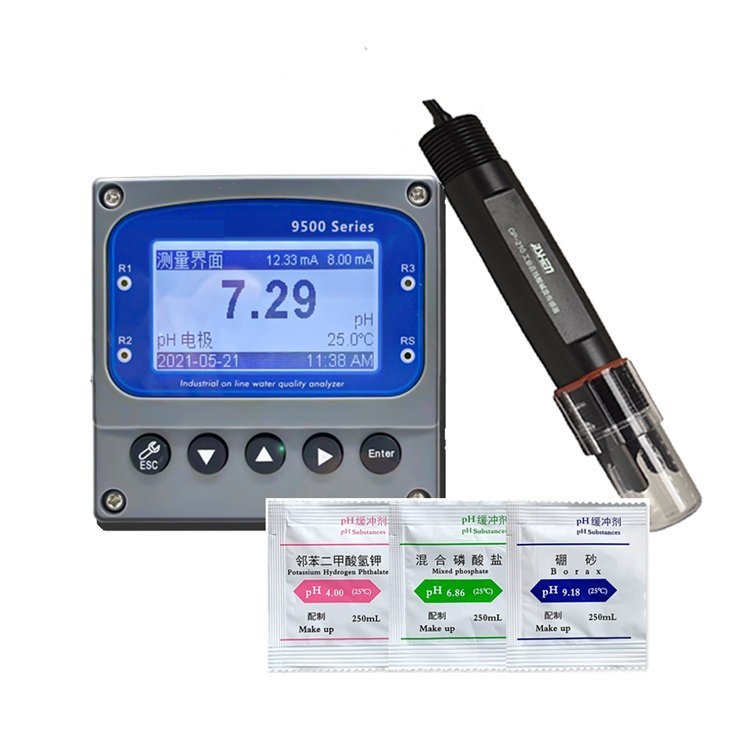
3 Critical Sensors Every Water Utility Needs for Drinking Water Safety

3 Critical Sensors Every Water Utility Needs for Drinking Water Safety Key Points The EPA mandates continuous monitoring for turbidity, disinfectant residual, and pH at most systems. Properly calibrated sensors reduce contamination events by 41%. Multi-parameter monitoring stations can reduce capital costs by 40%. Annual sensor maintenance costs are typically 3-5% of initial capital investment….

giám sát và quản lý chất lượng nước

giám sát và quản lý chất lượng nước

Tầm quan trọng của việc kiểm tra chất lượng nước thường xuyên để có nước uống an toàn Giám sát và quản lý chất lượng nước là những khía cạnh thiết yếu để đảm bảo nước uống an toàn cho cộng đồng trên toàn thế giới. Việc kiểm tra thường xuyên các nguồn nước là…

How Does Electrochemical Oxidation Compare to Traditional Chemical Treatment for Industrial Effluents?

How Does Electrochemical Oxidation Compare to Traditional Chemical Treatment for Industrial Effluents? Key Takeaways Electrochemical oxidation reduces chemical consumption by 40-60% compared to traditional chemical coagulation Treatment costs for oil-containing wastewater have decreased by 15% through electrochemical technology adoption Capital costs for electrochemical systems are 20-30% higher, but operational savings typically recover investments within 2-3…