Importance of Testing Tap Water Quality at Home
Water is an essential element for life, and access to clean and safe drinking water is crucial for maintaining good health. While many people rely on tap water for their daily hydration needs, it is important to be aware of the quality of the water coming out of your faucet. Testing tap water at home can provide valuable information about its safety and quality, helping you make informed decisions about your drinking water.
| Instrument model | FET-8920 | |
| Measurement range | Instantaneous flow | (0~2000)m3/h |
| Accumulative flow | (0~99999999)m3 | |
| Flow rate | (0.5~5)m/s | |
| Resolution | 0.001m3/h | |
| Accuracy level | Less than 2.5% RS or 0.025m/s.whichever is the largest | |
| Conductivity | >20μS/cm | |
| (4~20)mA output | Number of channels | Single channel |
| Technical features | Isolated,reversible,adjustable, meter/transmission dual mode | |
| Loop resistance | 400Ω(Max), DC 24V | |
| Transmission accuracy | ±0.1mA | |
| Control output | Number of channels | Single channel |
| Electrical contact | Semiconductor photoelectric relay | |
| Load capacity | 50mA(Max), DC 30V | |
| Control mode | Instantaneous amount upper/lower limit alarm | |
| Digital output | RS485(MODBUS protocol ),Impulse output1KHz | |
| Working power | Power supply | DC 9~28V |
| source | Power Consumption | ≤3.0W |
| Diameter | DN40~DN300(can be customized) | |
| Working environment | Temperature:(0~50) ℃; Relative humidity: ≤85%RH(none condensation) | |
| Storage environment | Temperature:(-20~60) ℃; Relative humidity: ≤85%RH(none condensation) | |
| Protection grade | IP65 | |
| Installation method | Insertion pipeline installation | |
One of the main reasons to test tap water at home is to ensure that it is free from harmful contaminants. While municipal water treatment facilities are required to meet certain standards set by the Environmental Protection Agency (EPA), there is still a possibility of contaminants entering the water supply through aging pipes or environmental pollution. By testing your tap water, you can identify any potential contaminants present in the water and take appropriate measures to address them.
Another important reason to test tap water at home is to monitor the effectiveness of your water treatment system. Many households use water filtration systems or water softeners to improve the quality of their tap water. Regular testing can help you determine if these systems are working properly and if they need to be maintained or replaced. It is also important to test your tap water if you notice any changes in its taste, odor, or appearance, as these could be indicators of water quality issues.
| pH/ORP-3500 series pH/ORP Online Meter | |||
| pH | ORP | Temp. | |
| Measurement range | 0.00~14.00 | (-2000~+2000)mV | (0.0~99.9)℃(Temp. Compensation :NTC10K) |
| Resolution | 0.01 | 1mV | 0.1℃ |
| Accuracy | ±0.1 | ±5mV(electronic unit) | ±0.5℃ |
| Buffer Solution | 9.18;6.86;4.01;10.00;7.00;4.00 | ||
| Medium Temp. | (0~50)℃(with 25℃ as standard )manual / automatic temp.compensation for selection | ||
| Analog Output | Isolated one Channel(4~20)mA,Instrument / Transmitter for selection | ||
| Control Output | Double relay output(ON/OFF) | ||
| Consumption | <3W | ||
| Working Environment | Working temp. (0~50)℃;Relative humidity≤85%RH(none condensation) | ||
| Storage Environment | Temp. (-20~60)℃; Relative humidity≤85%RH(none condensation) | ||
| Dimension | 48mm×96mm×80mm (H×W×D) | ||
| Hole Size | 44mm×92mm (H×W) | ||
| Installation | Panel mounted ,fast installation | ||
Testing tap water at home is also important for ensuring the health and safety of your family. Contaminated water can pose serious health risks, especially for vulnerable populations such as children, pregnant women, and individuals with compromised immune systems. By testing your tap water regularly, you can protect your family from potential health hazards and ensure that they are consuming clean and safe drinking water.
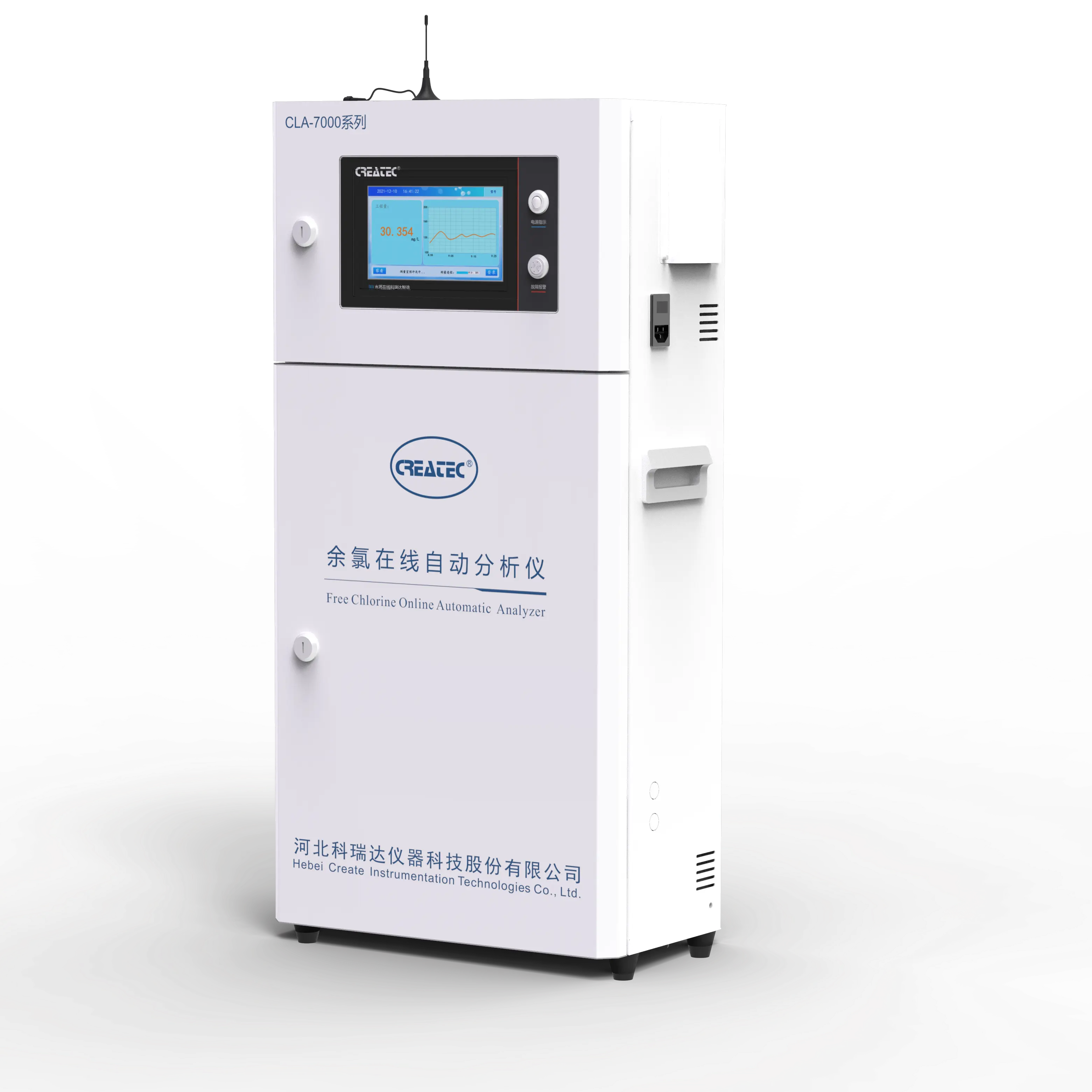
There are several ways to test tap water at home, ranging from simple DIY test kits to more comprehensive laboratory analysis. DIY test kits are affordable and easy to use, allowing you to quickly check for common contaminants such as lead, bacteria, and chlorine. However, these kits may not provide a complete picture of your water quality, as they are limited in their scope and accuracy. For a more thorough analysis, you can send a water sample to a certified laboratory for testing. This option may be more expensive, but it can provide detailed information about the presence of a wide range of contaminants in your tap water.
In conclusion, testing tap water at home is an important step in ensuring the safety and quality of your drinking water. By monitoring the quality of your tap water, you can identify potential contaminants, monitor the effectiveness of your water treatment system, and protect the health of your family. Whether you choose to use DIY test kits or send a sample to a laboratory for analysis, regular testing is essential for maintaining clean and safe drinking water in your home. Remember, knowledge is power when it comes to your health and well-being, so don’t hesitate to take the necessary steps to test your tap water and make informed decisions about your water quality.