Table of Contents
Introduction
The textile industry sits at the center of an emerging water crisis with both humanitarian and commercial dimensions. The same supply chains that deliver fashion, home textiles, and technical fabrics to global consumers also consume staggering quantities of freshwater and discharge effluent that affects communities, ecosystems, and downstream agriculture across Asia, North Africa, and Latin America.
For executive decision-makers in the textile and water-technology sectors, the crisis represents a generational commercial opportunity. The capital required to address textile water consumption, contamination, and reuse has transformed from a regulated compliance cost into a strategic infrastructure investment with measurable returns. Industry analysis consistently points to a multi-year, multi-billion-dollar flow of water treatment investment into the textile sector, driven jointly by regulation and by brand requirements. Understanding the structure of this investment is essential for any executive operating in or adjacent to textile water management.
Sizing the Textile Water Footprint
Textile manufacturing’s water footprint is staggering by any measure. Widely cited industry and institutional figures include:
- 2,700 liters of freshwater required to produce a single cotton T-shirt
- 7,500 liters required for a pair of denim jeans (UNEP)
- Process water demand on the order of hundreds of liters per kilogram of fabric processed, most of it ending up as wastewater
- Roughly 20% of global industrial water pollution attributed to textile dyeing and treatment (World Bank)
These figures translate into national-scale environmental and economic burdens. India’s Tirupur cluster alone draws tens of millions of liters of water daily, and textile effluent has been repeatedly linked to surface water degradation across Bangladesh’s industrial rivers and the watersheds serving Dhaka.
Market Structure and Growth Drivers
The textile water treatment market segments along three primary axes:
- Primary treatment — screening, equalization, coagulation, biological treatment
- Advanced/tertiary treatment — membrane filtration, advanced oxidation, polishing
- ZLD and reuse — evaporation, crystallization, and water recovery loops
Three growth drivers underpin the expansion:
- Regulatory tightening — Discharge standards have tightened in major textile-producing nations
- Brand-driven mandates — Retailers and fashion houses increasingly require ZDHC or Bluesign certification
- Water scarcity economics — Freshwater costs in textile clusters are rising steadily, and in stressed basins allocation risk is now as real as price risk
Regional Investment Patterns
The geographic distribution of textile water treatment investment follows production patterns:
- Asia-Pacific — China, India, Bangladesh, Vietnam, Pakistan, Indonesia dominate spending by a wide margin
- Europe — Italy, Turkey, Portugal—primarily premium and technical textiles
- Americas — Mexico, Brazil, United States—mid-tier and home textile production
- Middle East and Africa — Egypt, Morocco, Ethiopia—growing apparel production
Asian investment patterns dominate not only because of production volume but also because of policy momentum. China’s planning framework for ecological and environmental protection identifies textile dyeing and industrial-park wastewater as priority areas, with concentrated park-level treatment and zero-liquid-discharge requirements pushing capital into the sector.
The Instrumentation Sub-Segment
Within the broader textile water treatment market, the instrumentation and monitoring sub-segment is a multibillion-dollar opportunity in its own right. Instrumentation includes:
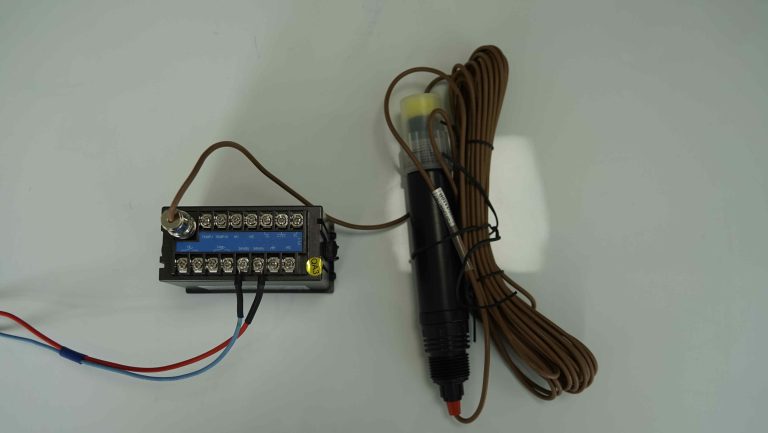
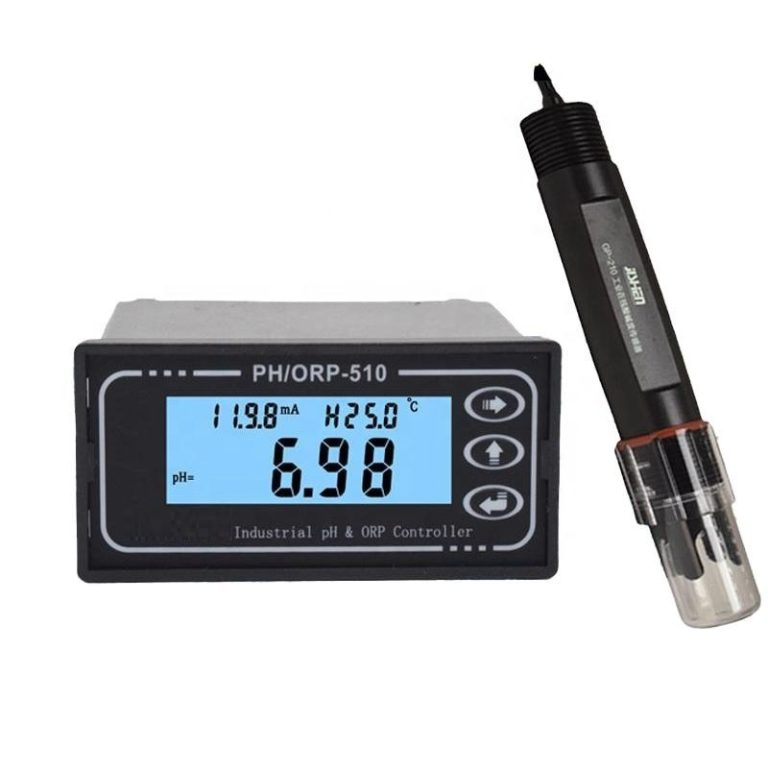
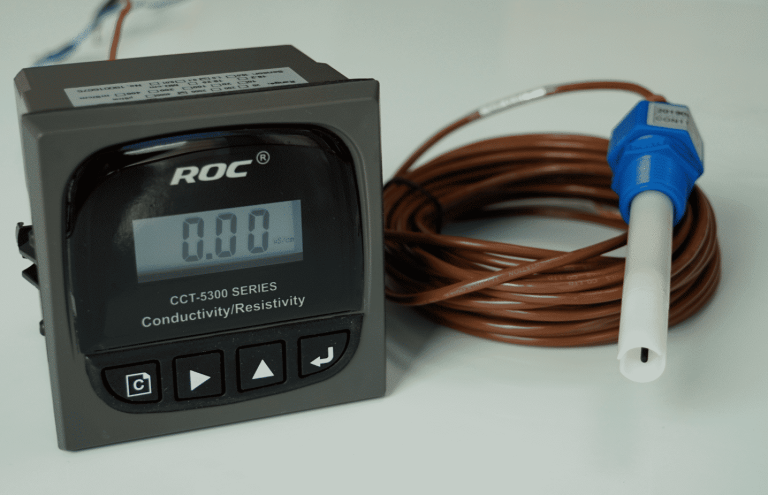
- In-line analyzers — pH, conductivity, turbidity, COD, oil-in-water
- Flow measurement — Paddle wheel, turbine, and electromagnetic flow meters
- Multi-parameter packages — Integrated sensor suites for complex effluent profiles
- Control valves — Softener valves and softening/filtering valves for process control
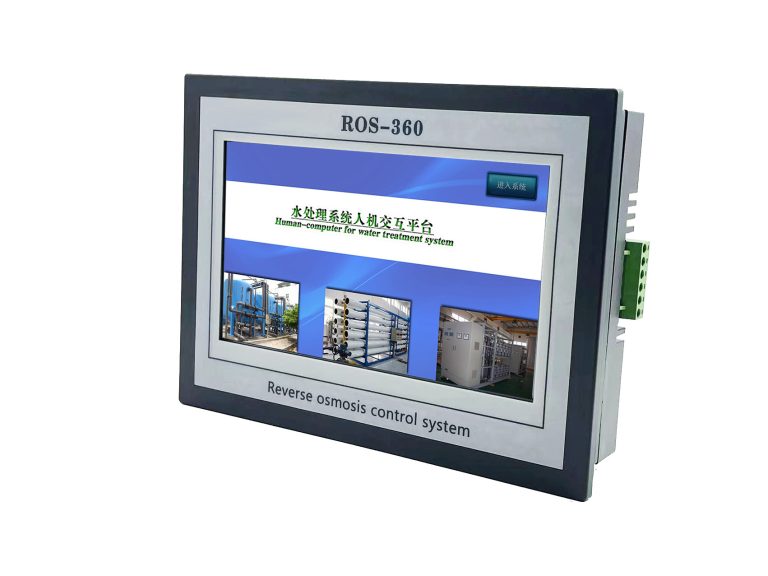
- Data integration platforms — SCADA, MES, and cloud-based analytics
Shanghai ChiMay operates within this instrumentation sub-segment, providing the measurement and control hardware required to convert capital investment in textile water treatment into reliable operational outcomes.
Strategic Implications for Decision-Makers
The textile water crisis presents distinct strategic implications across stakeholder categories:
For textile manufacturers:
– Water-intensive operations face existential risk in water-stressed regions
– Brand-driven mandates require credible third-party-verified water management
– Reuse-enabled facilities command premium contract pricing
For technology providers:
– Application-specific engineering—not generic water treatment—wins textile contracts
– Service infrastructure in textile hubs matters as much as product capability
– Long-term reliability data drives buyer confidence
For investors:
– Textile water treatment offers exposure to multi-decade structural growth
– Asia-Pacific dominance favors providers with strong regional presence
– Sustainability-linked finance vehicles increasingly favor textile water projects
Risk Factors
Several risks could moderate the projected investment trajectory:
- Trade policy volatility — Tariffs and reshoring may shift production geography
- Material substitution — Adoption of waterless dyeing technologies (CO₂ dyeing, digital printing) could reduce per-unit water requirements
- Capital cost inflation — Equipment cost increases could delay marginal projects
- Skill shortages — Operating advanced water treatment requires technical labor scarce in many textile regions
These risks do not negate the structural growth thesis but inform sequencing and geographic prioritization for investment decisions.
The Role of Brand-Driven Standards
Brand-driven sustainability standards have become the most influential commercial force in textile water investment. Key frameworks include:
- Zero Discharge of Hazardous Chemicals (ZDHC) — Industry coalition with audited wastewater guidelines
- Bluesign System — Comprehensive textile environmental certification
- Higg Facility Environmental Module (FEM) — Sustainable Apparel Coalition assessment tool
- Cradle to Cradle Certified — Holistic sustainability framework with water criteria
Suppliers unable to meet these standards face exclusion from contracts with major retailers, an existential commercial threat that often justifies water treatment investment that pure cost-benefit analysis would not support.
Conclusion
The textile water crisis is real, growing, and increasingly visible to consumers, investors, and regulators. The commercial response—billions of dollars of water treatment investment flowing into the sector over the coming years—creates one of the largest single-sector opportunities in industrial water management.
Shanghai ChiMay participates in this opportunity through specialized instrumentation engineered for textile environments: chemically resistant sensors, multi-parameter analyzer packages, and control valves matched to dye-house process conditions. As textile manufacturers pursue compliance, reuse, and ZLD strategies, the underlying monitoring infrastructure provided by application-specialized suppliers determines whether capital investments deliver operational and environmental returns.
Executive decision-makers across textile manufacturing, water technology, and capital allocation each face the same strategic question: how to position for a multi-decade structural shift in textile water management. The answer increasingly involves credible partnerships with technology providers who understand the specific demands of textile chemistry and have the field-proven instrumentation to support them.