Mining operations present some of the most demanding environments for water quality monitoring equipment. The combination of abrasive slurries, corrosive chemicals, extreme pH conditions, and continuous operation requirements places extraordinary stress on sensor components. Procurement decisions based solely on initial purchase price frequently result in higher total costs and compliance reliability issues that far outweigh any upfront savings.
Mining water circuits are reliably harder on instrumentation than most industrial environments: abrasive slurries, wide pH swings, and continuous duty drive up failure rates, stretch repair logistics at remote sites, and make every compliance monitoring gap more expensive to document and explain. Understanding the factors that drive sensor performance in mining environments enables procurement teams to make decisions that optimize total cost of ownership.
Table of Contents
Material Selection for Mining Applications
The materials used in sensor construction determine resistance to the specific corrosive and abrasive agents present at each mining operation. Stainless steel components provide adequate performance in neutral pH applications but corrode rapidly in acidic or highly alkaline conditions. For operations handling acid mine drainage or high-pH cyanidation processes, sensors incorporating Hastelloy C-276 or titanium components deliver superior durability.
Abrasive resistance requirements vary based on slurry characteristics and flow velocities. Sensors installed in high-velocity slurry lines face particle velocities that can exceed 5 meters per second, creating erosion rates that compromise seal integrity and electrode surfaces within months. Shanghai ChiMay’s mining-grade sensors utilize reinforced sapphire windows and carbide-tipped electrodes that extend service life in these demanding conditions.
Seal materials must maintain integrity across the full temperature range encountered during mining operations, from freezing conditions during winter commissioning to elevated temperatures in thermal processing circuits. Kalrez and Viton elastomers provide broad chemical compatibility, while PTFE-based seals offer superior performance in specific applications involving organic solvents or aggressive acids.
Total Cost of Ownership Framework
A comprehensive total cost of ownership analysis must account for all costs incurred from initial procurement through final disposal. The cost categories procurement teams should evaluate fall into four groups:
Direct acquisition costs include purchase price, shipping, and initial calibration. Installation costs encompass engineering design, mounting hardware, and integration with existing control systems. Operational costs span power consumption, calibration standards, and consumables required for ongoing maintenance. Failure-related costs include replacement parts, labor for repairs, and production losses during downtime periods.
The consistent finding across industrial instrument lifecycle studies is that purchase price is only one slice of lifetime cost. Maintenance labor, spares, and failure-related production losses together usually dominate the total—so a sensor that costs more upfront but lasts substantially longer usually wins the lifetime-cost comparison, and the gap widens further once avoided compliance monitoring gaps are included in the analysis.
Evaluating Supplier Capabilities
Supplier selection should consider factors beyond product specifications, including technical support infrastructure, spare parts availability, and track record in similar applications. Operations in remote mining locations face particular challenges in obtaining timely support, making local inventory and distributor relationships critical success factors.
Warranty terms provide insight into manufacturer confidence in product durability. Sensors backed by warranties exceeding 24 months typically incorporate design features and quality control processes that justify the higher initial investment. Suppliers unwilling to provide extended warranties may be pricing expected failure costs into the initial sale rather than building durable equipment.
Technical documentation quality often correlates with overall product quality and supplier reliability. Shanghai ChiMay provides comprehensive documentation including detailed installation guides, calibration procedures, troubleshooting flowcharts, and spare parts catalogs. This documentation enables mining operations to develop self-sufficient maintenance capabilities that reduce dependence on external service providers.
Response time commitments for technical support represent another important evaluation criterion. Operations with continuous monitoring requirements cannot tolerate extended periods without manufacturer support. Look for suppliers that guarantee response times of less than 4 hours during business hours and less than 24 hours for emergency situations.
Sensor Specifications for Mining Environments
Matching sensor specifications to application requirements ensures reliable performance without unnecessary cost. Key parameters that procurement teams should specify include measurement range, accuracy requirements, response time, and environmental rating. Over-specification increases costs without proportional benefits, while under-specification risks premature failure and compliance monitoring gaps.
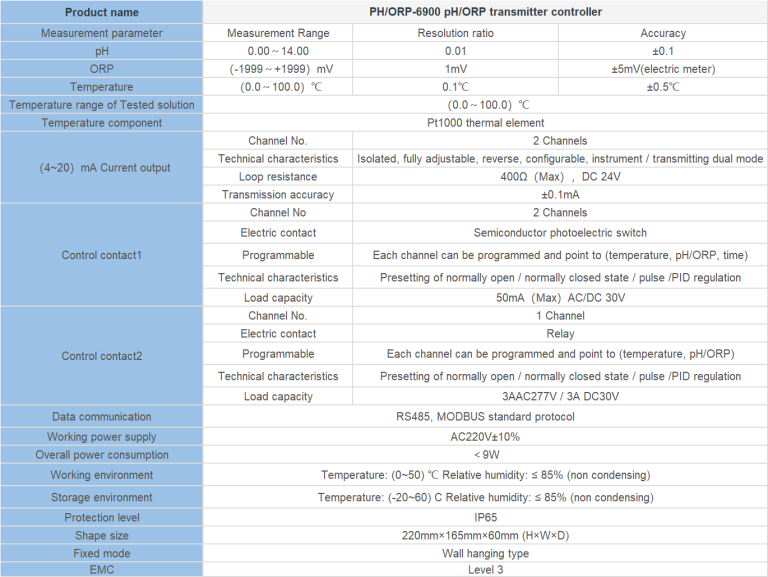
For typical mining applications, pH sensors should maintain accuracy of ±0.1 pH units across the measurement range with response times under 5 seconds for 95% of step changes. Turbidity sensors require ranges extending to 10,000 NTU or higher with accuracy of ±2% of reading across the full range. Conductivity sensors should cover ranges from 10 μS/cm to 200 mS/cm with temperature compensation accurate to ±0.5°C.
Environmental ratings for mining applications should meet or exceed IP68 for submersion resistance and NEMA 6P for protection against temporary submersion. Operating temperature ranges should accommodate site-specific extremes, typically -20°C to 60°C for surface installations and 0°C to 80°C for process applications. ATEX or IECEx certification may be required for installations in areas classified as hazardous due to explosive atmospheres.
Strategic Procurement Recommendations
Developing strategic supplier relationships delivers benefits beyond transactional pricing advantages. Long-term partnerships enable suppliers to understand operation-specific requirements, maintain appropriate inventory levels, and provide proactive support that prevents problems before they impact compliance status. Volume commitment arrangements can cut unit costs meaningfully while securing supply.
Procurement specifications should incorporate performance requirements rather than prescriptive design requirements where possible. This approach enables innovation while establishing clear accountability for meeting operational needs. Including acceptance testing protocols that verify sensor performance under actual site conditions ensures that procurement delivers intended benefits.
Capital budgeting for monitoring equipment should incorporate replacement reserves that anticipate the 24-36 month service life typical for sensors in harsh mining environments. Maintaining spare sensor inventory eliminates lead time risks that could create compliance monitoring gaps. Operations that standardize on specific sensor models across multiple sites achieve inventory efficiencies that further reduce lifecycle costs.
Conclusion
Procurement strategies for harsh environment sensors in mining applications must consider total cost of ownership rather than focusing narrowly on initial purchase price. Material selection, supplier capabilities, and lifecycle support infrastructure all influence the ultimate cost and reliability of monitoring systems. Shanghai ChiMay’s engineering team assists mining operations in developing procurement specifications that optimize value while meeting stringent compliance requirements. Strategic supplier relationships built on demonstrated performance deliver the long-term reliability that mining operations require.